
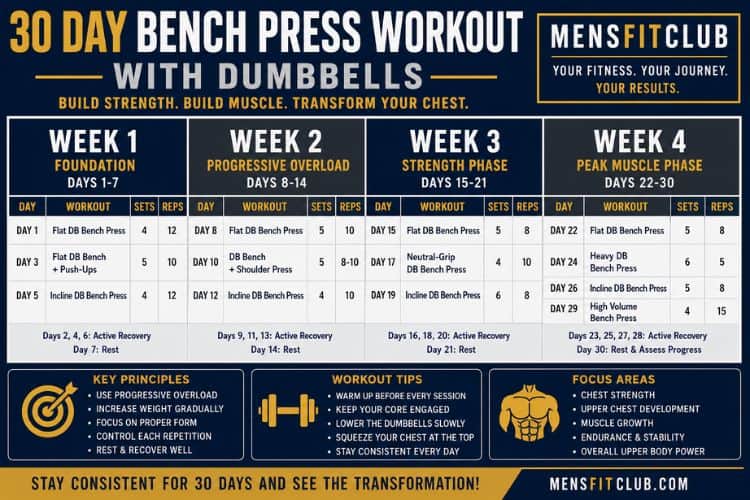
30 Day Dumbbell Bench Press Workout for a Bigger Chest
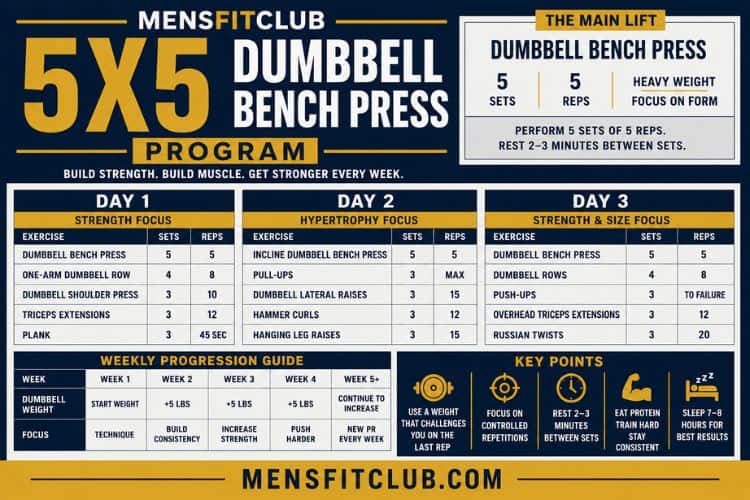
5×5 Dumbbell Bench Press Workout The Ultimate Guide to Gains
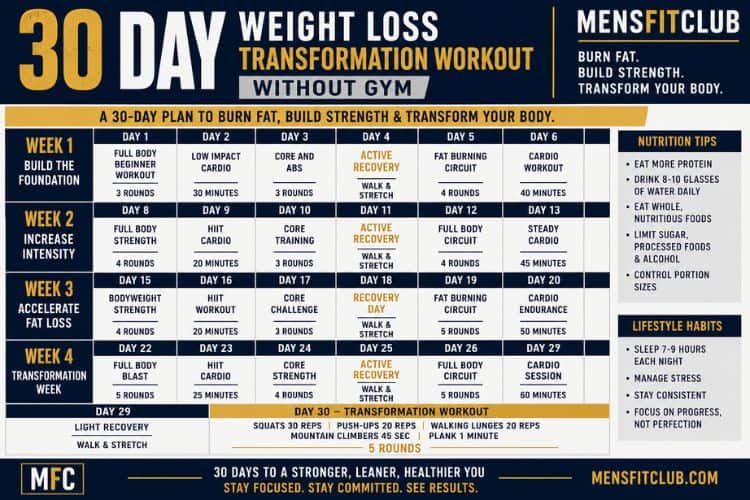
30 Day Weight Loss Transformation Workout Without Gym
The Muscle Recovery Understanding The Science

Muscle recovery is an essential aspect of any fitness regime, whether you’re a professional athlete or simply someone who exercises for personal well-being. It’s not only about feeling good after a tough workout; proper muscle recovery is crucial for muscle growth, performance, and overall health. Let’s dive into the science of muscle recovery and explore effective strategies to promote it.
Muscle Recovery Understanding the Science and Strategies to Optimize It
Understanding Muscle Recovery
Muscle recovery can be described as the physiological process that occurs after a workout, allowing your muscles to repair and rebuild themselves. During a workout, especially resistance training, tiny tears are created in the muscle fibers. The body responds by repairing and rebuilding the damaged fibers, which makes the muscles stronger over time.
Several factors influence the MR process, including nutrition, sleep, hydration, stress levels, and more. An understanding of these factors can help you optimize your muscle recovery and make the most of your workouts.
1. Nutrition
The role of nutrition in muscle recovery is critical. The three macronutrients – carbohydrates, proteins, and fats – all play a role in this process.
Carbohydrates: Carbs are the body’s primary source of energy. After a workout, your muscles’ glycogen stores are depleted, and consuming carbs helps to replenish them. This process is crucial for muscle recovery and helps prevent fatigue in subsequent workouts.
Protein: Protein intake is vital for muscle repair and growth. Consuming protein post-workout provides your muscles with the necessary amino acids required for protein synthesis, promoting MR.
Fats: Healthy fats help reduce inflammation in the body, which can accelerate MR. Omega-3 fatty acids, found in fish, walnuts, and flaxseeds, are particularly beneficial in this regard.
2. Sleep: Muscle Recovery
Sleep is perhaps the most underestimated recovery tool. During deep sleep, the body releases growth hormone, which aids in muscle repair and growth. Moreover, sleep reduces cortisol levels, the stress hormone, which can slow down the recovery process.
3. Hydration
Staying hydrated is essential for overall health, including MR. Dehydration can lead to muscle cramps, fatigue, and hinder the body’s ability to recover post-workout. Drinking water helps remove waste products from the muscles and facilitates the transport of nutrients, aiding in recovery.
4. Active Recovery
Active recovery refers to engaging in low-intensity activities on rest days. It promotes blood circulation, reduces muscle stiffness, and helps deliver nutrients to the muscles, aiding in recovery. Activities like walking, swimming, or yoga are excellent options for active recovery.
5. Foam Rolling and Stretching
Foam rolling, also known as self-myofascial release, can help release tension in the muscles and improve flexibility, aiding MR. Similarly, stretching exercises help alleviate muscle stiffness and promote blood flow, contributing to faster recovery.
6. Managing Stress
Chronic stress can impair MR by increasing cortisol levels, leading to muscle breakdown and inflammation. Engaging in stress-reducing activities like meditation, deep breathing, or spending time with loved ones can help counter these effects.
7. Supplements: Muscle Recovery
Some supplements may aid MR. Creatine and Branched-Chain Amino Acids (BCAAs) have been shown to support MR and growth. Antioxidants like Vitamin C and Vitamin E can help reduce muscle inflammation and soreness post-workout. However, it is essential to consult with a healthcare professional before adding any supplements to your routine.
Muscle Recovery and Delayed Onset Muscle Soreness (DOMS)
Delayed Onset Muscle Soreness (DOMS) is the pain and stiffness felt in the muscles several hours to days after a strenuous workout, especially after engaging in new or intense activities. It is a natural part of the MR process and can be managed by implementing the strategies mentioned above.
Muscle recovery is a multifaceted process influenced by nutrition, sleep, hydration, and stress management. It is an essential aspect of any fitness regimen, enabling muscle growth, improved performance, and overall well-being. By understanding the science behind muscle recovery and employing effective strategies, you can optimize your recovery and achieve your fitness goals more efficiently. Remember, it is essential to listen to your body and allow adequate time for recovery to prevent injuries and enjoy the long-term benefits of a healthy, active lifestyle.


Most Recommended

Subscribe to our Newsletter
Stay up to date on the latest men’s health, fitness and lifestyle trends and tips.
About Us
Men’s Fit Club was started with the goal of empowering men to get the most out of their lives. This meant going beyond exercise and diet tips to really address the broad range of issues that men face on a daily basis – topics like recreation, finding love, sexual health and even sound fashion advice.
Quick Links
© COPYRIGHT MEN'S FIT CLUB 2026. All Rights Reserved