
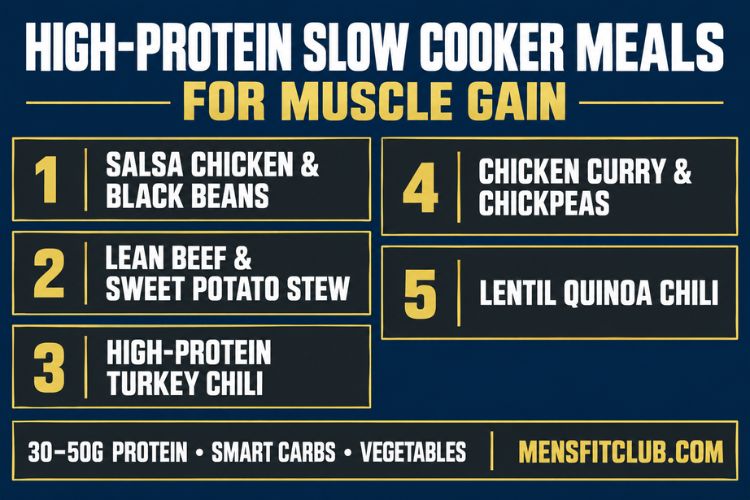
High-Protein Slow-Cooker Meals for Muscle Gain
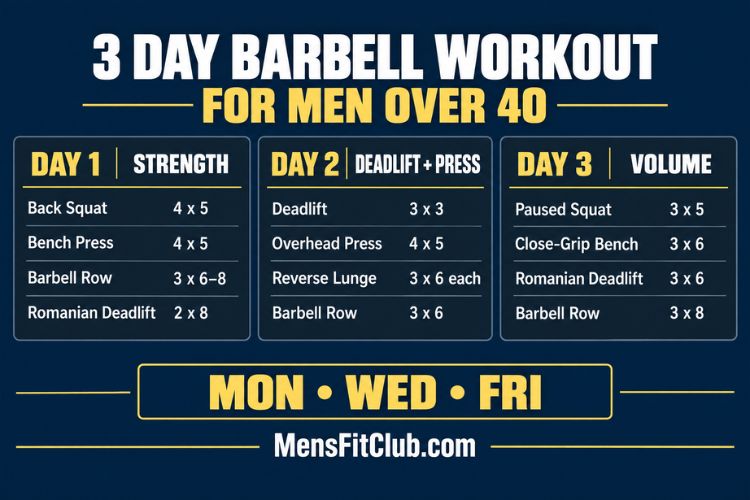
3 Day Barbell Strength Workout Program for Men Over 40

Ground Beef Sweet Potato and Cottage Cheese Bowl
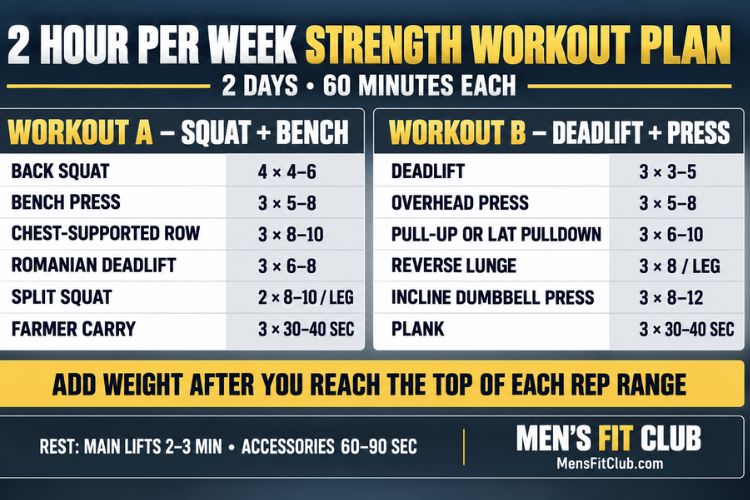
2 Hour Per Week Strength Workout Plan Your Ultimate Guide
4 Week Barbell Workout Reset for Returning to the Gym
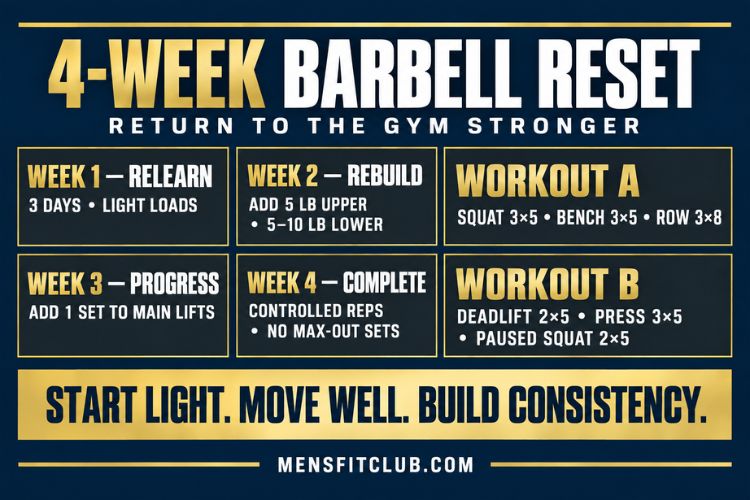
Returning to the gym after several weeks or months away can feel both exciting and frustrating. You may remember the weights you used to lift, but your current strength, coordination, work capacity, and recovery may not be ready for them. A smart barbell workout reset closes that gap. Instead of testing your old limits on day one, it rebuilds movement quality and training tolerance so you can make steady progress without turning your comeback into another layoff. This 4-week return to the gym barbell workout reset for returning to the gym uses three full-body sessions per week. The program centers on the squat, bench press, deadlift, overhead press, and barbell row while keeping early volume manageable. It is suitable for men who already understand basic barbell technique but have been away from consistent resistance training. If you are completely new to lifting, work with a qualified coach to learn the movements before following the plan.
Why You Need a Barbell Workout Reset When You return to the Gym
A break from lifting affects more than the number on the bar. Strength may decline, but your ability to brace, control a loaded movement, and recover between sets can also fade. Tendons and joints may need more time than your motivation does to readapt. This is why immediately repeating your former program can create excessive soreness, poor technique, or an avoidable strain.
A reset is not starting over. Your previous training experience still matters, and lost strength often returns faster than it took to build originally. The goal is to create enough stimulus to regain muscle and skill without accumulating more fatigue than your body can handle. By using moderate loads, controlled repetitions, and planned increases, you build momentum instead of chasing a single impressive workout.
Who This Returning-to-the-Gym Barbell Workout Program Is For
This plan is designed for a returning lifter who has performed the major barbell exercises before and can train three nonconsecutive days each week. It works well after a busy work period, travel, family responsibilities, a loss of routine, or another nonmedical break from training.
If you stopped because of an injury, surgery, chest pain, dizziness, or another health concern, get appropriate medical or rehabilitation guidance before resuming loaded training. Pain that changes your technique or worsens as a session continues is not something to push through. Replace the affected movement and seek professional advice when necessary.
How to Choose Your Barbell Workout Starting Weights When You Return to The Gym
Do not base your first workout on what you lifted before the break. Select a load you could perform for roughly four or five more good repetitions after completing the prescribed set. On a 1-to-10 effort scale, the opening week should feel like a 5 or 6. Every rep should look controlled, and bar speed should remain consistent.
If you know your previous one-repetition maximum, approximately 50 to 60 percent is a reasonable starting range for the main lifts after a moderate layoff. The percentage is only a reference. A longer break, poor sleep, recent illness, or limited activity may call for less. When uncertain, begin lighter. Adding weight next session is easy; recovering from an unnecessarily aggressive first week is not.
Leave Your Ego Outside the Rack
The most common comeback mistake is comparing current performance with a previous personal best. Your job during the reset is to complete repeatable, technically sound work. Stop a set when your brace disappears, the bar path changes significantly, or you need to grind. The best starting weight is the one that lets you train again in two days with confidence.
Weekly Schedule for the 4-Week Return To The Gym Barbell Workout
Train on three nonconsecutive days, such as Monday, Wednesday, and Friday. Tuesday, Thursday, and Saturday can include walking, gentle cycling, or mobility work. Keep at least one complete rest day each week. Each lifting session should take about 45 to 60 minutes, including the warm-up.
Alternate Workout A and Workout B. During week one, perform A/B/A. During week two, perform B/A/B. Continue alternating for all four weeks. This structure gives every major movement regular practice without requiring a long list of exercises in one session.
Workout A: Squat, Bench Press, and Barbell Row
Begin with the back squat for three sets of five repetitions. Follow it with the barbell bench press for three sets of five, then complete the bent-over barbell row for three sets of eight. Finish with two sets of eight reverse lunges per leg using body weight or light dumbbells and two sets of 20 to 30 seconds of front planks.
Rest two to three minutes between squat and bench sets and 90 to 120 seconds between rows and accessory movements. The longer rest periods are intentional. This phase is about producing clean repetitions, not turning strength work into a rushed cardio circuit.
Back Squat Technique Reset Return To The Gym Barbell Workout
Set the bar securely across your upper back, plant your feet, and take a full breath before each repetition. Brace your trunk as though preparing for a controlled impact. Descend only as far as you can maintain balance and a stable spine, then drive the floor away. If ankle, hip, or shoulder stiffness makes the back squat uncomfortable, use a box squat or a safety squat bar if available.
Bench Press Technique Reset
Keep your feet firmly planted and your upper back set against the bench. Lower the bar under control to a consistent touch point, keep your forearms close to vertical, and press without bouncing. Use safety arms or a competent spotter. During the first week, a brief pause on the chest can help reinforce control and reveal whether the load is truly appropriate.
Barbell Row Technique Reset Return To The Gym Workout
Hinge at the hips, brace your midsection, and keep the bar close to your body. Pull toward the lower ribs without jerking your torso upward. If holding the hinged position causes your lower back to fatigue before the target muscles, perform the row from a higher starting position or use a chest-supported alternative temporarily.
Workout B: Deadlift, Overhead Press, and Paused Squat
Perform the conventional or sumo deadlift for two sets of five repetitions. Complete the standing barbell overhead press for three sets of five, followed by a light paused squat for two sets of five. Finish with two sets of eight assisted pull-ups or lat pulldowns and two sets of 10 controlled dead bugs per side.
The paused squat should be considerably lighter than your Workout A squat. Hold the bottom position for about one second while maintaining tension, then stand smoothly. Its purpose is technique practice, not fatigue. Rest two to three minutes after deadlifts and presses and about 90 seconds between the remaining exercises.
Deadlift Technique Reset Return To The Gym Barbell Workout
Position the bar over the middle of your feet and create tension before it leaves the floor. Keep it close as you stand, finish with the hips and knees extended, and avoid leaning backward at lockout. Lower the bar with control. Reset your brace and starting position before every repetition instead of bouncing into the next rep.
Overhead Press Technique Reset
Begin with the bar over the base of your palms, elbows slightly in front, glutes tight, and ribs controlled. Move your head back just enough for the bar to travel vertically, then bring it through once the bar passes your forehead. If you must lean far backward to complete a rep, the weight is too heavy or the set is finished.
Four-Week Return To The Gym Barbell Workout Progression
Week 1: Relearn the Movements
Use conservative weights and finish every working set with at least four repetitions in reserve. Concentrate on setup, bracing, bar path, and consistent depth. Mild muscular soreness is normal, but you should not feel wrecked. Avoid extra high-intensity conditioning and resist the urge to add unplanned sets.
Week 2: Add a Small Amount of Weight
If every repetition in week one was clean, add 5 pounds to upper-body lifts and 5 to 10 pounds to squats and deadlifts. Smaller lifters or anyone using lighter starting weights can use fractional plates. Keep the prescribed sets and reps unchanged. If a lift felt awkward, repeat the same load and improve execution.
Week 3: Build Productive Training Volume
Continue using small load increases when the previous workout felt like an effort of 7 out of 10 or less. Add one set only to the first main lift of each session: perform four sets of five squats in Workout A and three sets of five deadlifts in Workout B. Keep the other exercises unchanged so total fatigue remains predictable.
Week 4: Prepare for Regular Training
Return the squat to three sets of five and the deadlift to two sets of five, then make another modest weight increase if technique is solid. The final repetition may feel challenging, but it should not be a maximal grind. By the end of the week, you should have reliable working weights that can anchor your next strength or muscle-building program.
Warm-Up Before Every Barbell Workout
Start with five minutes of easy movement, such as walking, rowing, or cycling. Follow with a short sequence that prepares the joints you will use: bodyweight squats, hip hinges, glute bridges, wall slides, and controlled shoulder circles are practical choices. The purpose is to increase temperature and rehearse positions, not exhaust yourself.
Then perform lift-specific ramp-up sets. Before squatting, for example, complete 8 to 10 repetitions with the empty bar, then several progressively heavier sets of five, three, and one or two reps until you reach the work weight. Use fewer jumps for lighter weights and more jumps as the load rises. Never move directly from the empty bar to a challenging working set.
Recovery Rules That Make the Reset Work
Training three days per week leaves room for recovery, but the days outside the gym still influence your results. Aim for consistent sleep, sufficient fluids, and regular meals containing protein. A practical protein target for many active adults is about 0.7 to 1.0 grams per pound of body weight per day, although individual needs and medical considerations vary.
Do not respond to normal comeback soreness by becoming completely inactive. Easy walking and gentle mobility can help you feel better. However, avoid adding hard intervals, long runs, or high-volume sports during the first week. Introduce other demanding activities gradually as your lifting tolerance returns.
Use a Simple Training Log
Record the exercise, load, repetitions, and a brief effort rating after each main lift. Also note pain, unusual fatigue, or a significant technique problem. These details make progression objective. When the same load moves faster with better control, you have evidence that the reset is working even before you return to your previous numbers.
Common Mistakes When Return To The Gym Barbell Workout
Doing too much too soon is the biggest mistake. A returning lifter may combine heavy squats, multiple accessory exercises, intense cardio, and extra arm work because enthusiasm is high. The result is often severe soreness that disrupts the next session. Follow the minimum effective plan for four weeks before adding volume.
Another mistake is testing a one-repetition maximum. A max attempt provides little useful training volume and places high demands on technique that may currently be rusty. Use submaximal sets to rebuild strength. There will be plenty of time to test performance after several consistent training blocks.
Changing exercises every workout also slows the return of skill. The major lifts improve through frequent, high-quality repetition. Keep the core movements stable for the entire reset unless pain or equipment limitations require a substitution. Finally, do not ignore warm-up sets, safeties, collars, or spotters simply because the work weight feels light.
How to Modify the Plan After a Long Layoff
If you have been away for six months or longer, spend the first week performing only two work sets per main exercise. Use machines or supported variations where balance and bracing are limiting factors. You can also train twice per week for the first two weeks, alternating Workout A and Workout B, before moving to the three-day schedule.
For pronounced soreness, repeat the same weight rather than increasing it. If recovery remains poor, reduce each lift by 5 to 10 percent or remove one accessory exercise. Progress is not defined by adding weight on every possible day; it is defined by completing useful training consistently.
What to Do After the Four-Week Reset
At the end of four weeks, review your log. If technique is stable, soreness is manageable, and you are recovering before the next workout, transition into a structured strength or hypertrophy plan. You could continue three full-body days, move to an upper-lower split, or use a barbell strength plan paired with moderate Zone 2 cardio.
Do not make a dramatic jump in volume when the reset ends. Add one variable at a time—more weight, an additional set, or one new exercise—then observe your recovery for one to two weeks. This makes it easier to identify what helps and what exceeds your current capacity.
Your Return To The Gym Barbell Workout Reset
The fastest route back to productive barbell training is usually the one you can repeat. Begin lighter than your ambition suggests, practice the major lifts with precision, and progress in small steps. Four disciplined weeks can restore confidence, improve work capacity, and establish realistic training weights without unnecessary setbacks.
Treat this barbell workout reset for returning to the gym as the foundation of your next phase, not a test of your past. Consistency will do more for your strength and muscle than a heroic first session ever could. Show up, leave a few repetitions in reserve, record the work, and let momentum build.
Continue building your comeback with the Barbell Strength And Zone 2 Cardio Weekly Workout Plan, use the 2-Day Full-Body Workout Plan if three weekly sessions do not fit your schedule, or rebuild general capacity with the Strength Training After 50 Guide. When you are ready for more density, progress to the 20-Minute Barbell Complex For Fat Loss, and review the 5×5 Bench Press Program before beginning a bench-focused strength phase.


Most Recommended

Subscribe to our Newsletter
Stay up to date on the latest men’s health, fitness and lifestyle trends and tips.
About Us
Men’s Fit Club was started with the goal of empowering men to get the most out of their lives. This meant going beyond exercise and diet tips to really address the broad range of issues that men face on a daily basis – topics like recreation, finding love, sexual health and even sound fashion advice.
Quick Links
© COPYRIGHT MEN'S FIT CLUB 2026. All Rights Reserved