
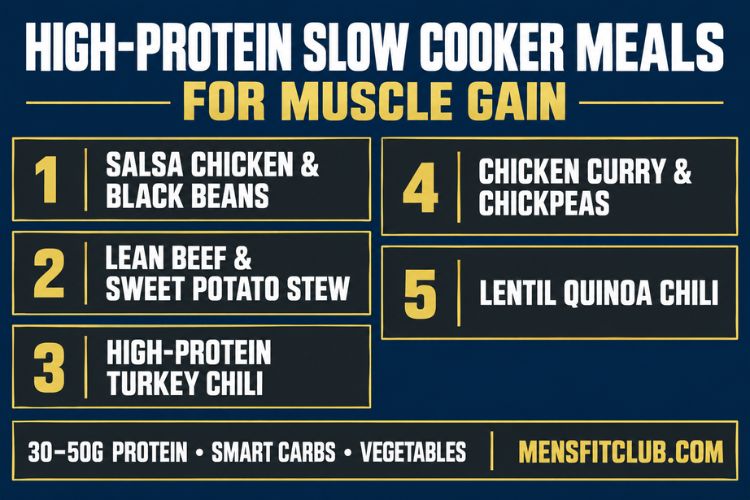
High-Protein Slow-Cooker Meals for Muscle Gain
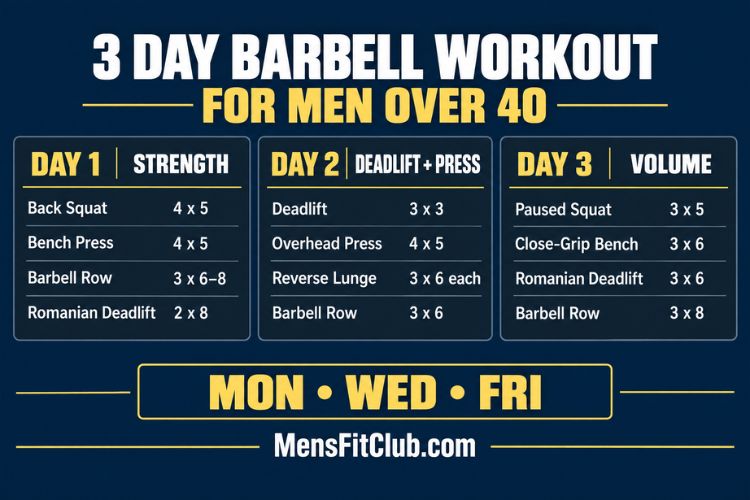
3 Day Barbell Strength Workout Program for Men Over 40
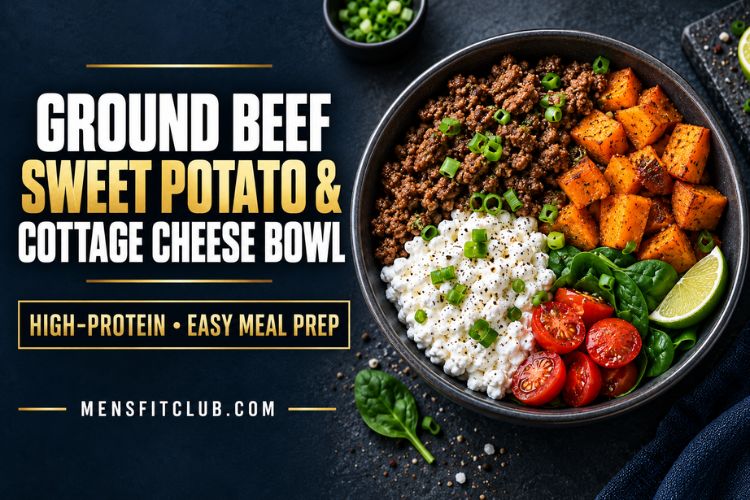
Ground Beef Sweet Potato and Cottage Cheese Bowl
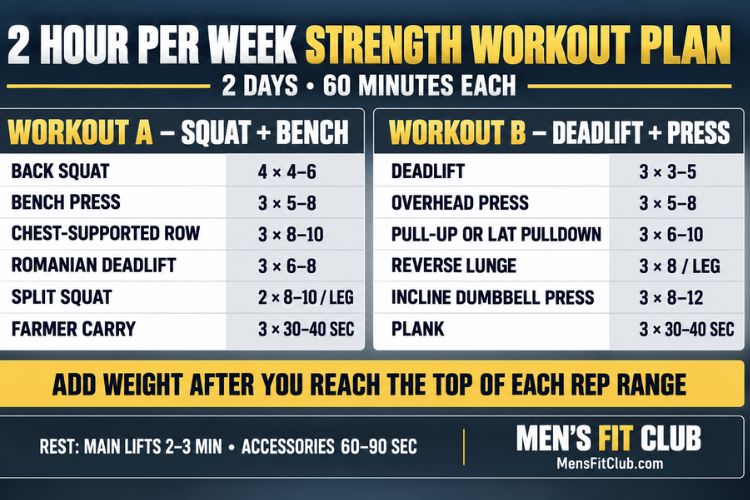
2 Hour Per Week Strength Workout Plan Your Ultimate Guide
High-Protein Slow-Cooker Meals for Muscle Gain
Building muscle requires more than hard training. Your body also needs enough total calories, high-quality protein, carbohydrates for performance, dietary fat, and consistent meals that support recovery. That can be difficult when work, family, and training compete for time. High-protein slow cooker meals for muscle gain offer a practical solution because they allow you to prepare several muscle-building portions at once with very little hands-on cooking.
The best slow cooker meals for muscle gain are not simply oversized servings of meat. They combine a dependable protein source with nutrient-rich carbohydrates, vegetables, and a flavorful cooking liquid. This creates balanced meals that can help you reach your nutrition targets without eating the same dry chicken and rice every day. The recipes and planning strategies below make it easier to prepare satisfying food for lunch, dinner, or post-workout recovery.
Why High Protein Slow Cooker Meals Work for Muscle Gain
Protein supplies amino acids that the body uses to repair and build muscle tissue after resistance training. However, one very large protein-heavy dinner cannot compensate for an inconsistent diet. Most active adults benefit from spreading protein across several meals so that the body receives regular opportunities to support muscle protein synthesis.
A useful daily target for people who lift weights is approximately 1.6 to 2.2 grams of protein per kilogram of body weight, or about 0.7 to 1 gram per pound. Individual needs vary according to body size, training volume, age, calorie intake, and goals. Someone who weighs 180 pounds might therefore aim for roughly 125 to 180 grams per day, divided among breakfast, lunch, dinner, and one or two snacks.
Slow cooker recipes make that consistency easier. A single batch can provide four to eight measured servings, eliminating the need to make a new decision every time hunger strikes. When a balanced meal is already in the refrigerator or freezer, you are less likely to skip lunch, rely on low-protein convenience food, or order a meal whose calories and protein are difficult to estimate.
Calories and Carbohydrates Matter Too
Protein is essential, but muscle growth also depends on adequate energy. A modest calorie surplus can support gradual weight gain and productive training without encouraging unnecessary fat gain. Carbohydrates replenish glycogen, the stored fuel used during hard lifting, while dietary fats support general health and make meals satisfying.
That is why a complete muscle-gain slow cooker meal usually contains four parts: lean or moderately lean protein, a carbohydrate source, vegetables, and a measured source of fat or sauce. Chicken thighs with potatoes, turkey chili with beans, or beef with rice can all fit this structure. Portions can then be adjusted to match your goal rather than changing the entire recipe.
How to Build a Muscle Gain Slow Cooker Meal
Start with enough raw protein to produce at least 30 to 50 grams per finished serving. Chicken breast, chicken thighs, lean beef, turkey, pork loin, lentils, beans, and combinations of meat and legumes all work well. Tougher beef cuts become tender during long cooking, but their fat content varies, so read the label and trim excess visible fat when needed.
Next, choose a carbohydrate that holds up to slow cooking. Potatoes, sweet potatoes, beans, lentils, corn, and sturdy whole grains are convenient options. Rice and pasta are often better cooked separately or added near the end because extended cooking can make them overly soft. Serving the finished protein mixture over freshly cooked rice also makes calorie adjustments simple.
Add vegetables for fiber, minerals, color, and volume. Onions, carrots, peppers, mushrooms, celery, tomatoes, and cabbage perform particularly well. Delicate vegetables such as spinach can be stirred in during the final minutes. Finish with broth, tomatoes, salsa, coconut milk, herbs, spices, or a homemade sauce, but remember that bottled sauces can add substantial sodium and sugar.
Use Portions to Match Your Goal
If you struggle to gain weight, serve your slow cooker meal with a larger portion of rice, bread, potatoes, avocado, olive oil, or cheese. If you want to build muscle while closely controlling body fat, emphasize lean protein and vegetables while using a moderate serving of carbohydrates. This flexible approach allows two people with different calorie requirements to eat from the same batch.
Nutrition values in homemade recipes are estimates. Brands, meat leanness, trimming, liquid retained, and final serving size all affect the numbers. For greater accuracy, weigh the ingredients, enter them into a nutrition tracker, weigh the finished food, and divide it into equal portions.
Slow Cooker Salsa Chicken and Black Beans Meal For Muscle Gain
This is one of the simplest high-protein slow cooker meals for muscle gain. Place 2 pounds of boneless, skinless chicken breast in the cooker with 2 cups of salsa, one drained can of black beans, one drained can of corn, one diced onion, 1 teaspoon of cumin, 1 teaspoon of smoked paprika, and a small amount of chicken broth if needed. Cook on low for approximately six to seven hours or on high for three to four hours, until the chicken reaches a safe internal temperature and shreds easily.
Shred the chicken in the cooking liquid and divide the mixture into six portions. Serve it over rice with lime, cilantro, avocado, or a spoonful of plain Greek yogurt. A serving of the chicken mixture will generally provide around 40 grams of protein, depending on the exact ingredients and portion size. Rice and avocado can raise the calories for men pursuing a larger surplus.
Slow Cooker Lean Beef and Sweet Potato Stew Meal For Muscle Gain
Beef stew is useful for muscle gain because it combines protein, carbohydrates, iron, zinc, and satisfying flavor. Add 2 pounds of lean stew beef, 2 large peeled and cubed sweet potatoes, 3 sliced carrots, 2 celery stalks, one chopped onion, 3 minced garlic cloves, 3 cups of low-sodium beef broth, 2 tablespoons of tomato paste, thyme, black pepper, and smoked paprika to the slow cooker.
Cook on low for seven to eight hours or until the beef is tender and the vegetables are cooked through. If you prefer a thicker stew, mix a tablespoon of cornstarch with cold water and stir it in near the end. Divide the pot into six servings. Depending on the beef cut, each serving can supply approximately 35 to 45 grams of protein. Add crusty whole-grain bread or rice when you need more training fuel.
High Protein Turkey Chili for Meal Prep
Turkey chili is economical, freezer-friendly, and easy to scale. Brown 2 pounds of lean ground turkey in a skillet first, then transfer it to the slow cooker. Browning improves texture and lets you drain excess fat. Add two cans of drained beans, two cans of diced tomatoes, one chopped onion, one diced bell pepper, garlic, chili powder, cumin, paprika, oregano, and about 1 cup of broth.
Cook on low for six to eight hours or on high for three to four hours. Divide the chili into six containers and top individual servings with shredded cheese or Greek yogurt. With lean turkey and beans, a generous portion can deliver roughly 40 to 50 grams of protein plus fiber-rich carbohydrates. Serve it with rice, tortillas, or baked potatoes when your calorie needs are higher.
Slow Cooker Chicken Curry with Chickpeas Meal For Muscle Gain
Chicken curry is a welcome change from conventional meal prep. Add 2 pounds of cubed chicken breast or thighs, one can of drained chickpeas, one chopped onion, diced tomatoes, garlic, ginger, curry powder, turmeric, salt, and light coconut milk to the cooker. Cook on low for five to six hours, checking that the chicken is fully cooked.
Stir in spinach shortly before serving and pair the curry with basmati rice. Chicken supplies concentrated protein, chickpeas contribute additional protein and fiber, and coconut milk provides richness. Full-fat coconut milk is useful for increasing calories, but it can dramatically raise the fat content. Choose the version that matches your daily targets rather than assuming one option is universally better.
Vegetarian Lentil Quinoa Chili
Plant-based lifters can also use the slow cooker effectively. Combine rinsed lentils, canned beans, diced tomatoes, onion, peppers, corn, garlic, chili spices, and vegetable broth. Quinoa may be added later in cooking so it maintains a better texture. Cook until the lentils are tender, adding more liquid if the mixture becomes too thick.
Plant proteins are less concentrated than meat, so portions may need to be larger. You can increase protein by serving the chili with tofu, tempeh, seitan, Greek yogurt, cottage cheese, or a soy-based topping, depending on your dietary preferences. Combining legumes and grains also creates a satisfying variety of amino acids across the day.
A Simple Weekly Muscle Gain Meal Prep Plan
Cook one six-serving recipe on Sunday and a second batch in the middle of the week. For example, prepare turkey chili for early-week lunches and salsa chicken for later dinners. Cook rice or potatoes separately, wash fruit, and portion easy snacks such as Greek yogurt, cottage cheese, nuts, or protein shakes. This keeps the slow cooker meals central to the plan without forcing every meal to come from the same pot.
A sample day might include eggs and oatmeal at breakfast, turkey chili with rice at lunch, yogurt and fruit before training, and slow cooker chicken curry after training. The specific foods matter less than the complete daily pattern: sufficient calories, protein distributed across meals, useful carbohydrates, fruits and vegetables, hydration, and steady adherence.
Adjust Food Around Your Training
Before training, choose a meal containing carbohydrates and moderate protein that digests comfortably. Very large, fatty slow cooker meals may feel heavy immediately before a workout, so leave enough time for digestion. After training, a serving with approximately 30 to 50 grams of protein and a useful carbohydrate source can support recovery and replenish glycogen.
There is no need to panic about a tiny post-workout window. Your total intake and consistent meal pattern matter more than eating within a few minutes of your final set. Prepare food in advance, train hard, and eat a balanced meal when practical.
Slow Cooker Food Safety and Storage
Thaw meat safely in the refrigerator before adding it to a slow cooker; do not start with a large frozen piece because it may spend too long at an unsafe temperature. Avoid repeatedly opening the lid, which releases heat and can extend cooking time. Use a food thermometer rather than relying only on color or texture. Poultry should reach 165 degrees Fahrenheit, ground meats 160 degrees, and whole cuts of beef or pork at least 145 degrees followed by an appropriate rest, although slow-cooked cuts are often cooked beyond that for tenderness.
Refrigerate leftovers promptly in shallow containers rather than leaving the entire cooker insert on the counter. Most cooked leftovers should be eaten within three to four days or frozen for longer storage. Reheat leftovers to 165 degrees Fahrenheit. Label freezer containers with the recipe and date so muscle-building meal prep does not become a collection of forgotten mystery meals.
Common Slow Cooker Meal Prep Mistakes
The first mistake is adding too much liquid. Slow cookers lose less moisture than uncovered pots, and vegetables release water as they cook. Start conservatively unless the recipe contains ingredients such as lentils that absorb substantial liquid. You can always add broth later.
The second mistake is cooking every ingredient for the same length of time. Dairy can separate, pasta can become mushy, and delicate greens can disappear. Add these ingredients near the end. The third mistake is forgetting flavor balance. Salt, acidity, herbs, spices, and texture make repeat meals enjoyable. Finish a rich stew with vinegar or lemon, add fresh herbs to chicken, or use crunchy slaw on a soft burrito bowl.
Finally, do not assume that a recipe is ideal for muscle gain merely because it contains protein. Check the serving size and the complete calorie balance. A small bowl with 18 grams of protein may be healthy, but it may not be enough for your needs. Conversely, a meal swimming in cheese and cream can easily exceed your calorie target. Measure, assess your progress, and adjust portions deliberately.
Frequently Asked Questions
How Much Protein Should a Muscle Gain Meal Contain
Many lifters do well with roughly 30 to 50 grams at a main meal, but the ideal amount depends on body size, age, daily target, and number of meals. Divide your daily protein goal across three to five eating occasions and choose portions that make the total achievable.
Is Chicken Breast Better Than Chicken Thighs
Chicken breast is leaner and offers more protein per calorie. Chicken thighs provide more fat, calories, moisture, and flavor. Breast may suit a controlled lean-gain phase, while thighs can help someone who struggles to eat enough. Both are useful when properly cooked and included in a balanced diet.
Can Slow Cooker Meals Be Frozen
Most chilis, stews, curries, and shredded meat mixtures freeze well. Cool them promptly, divide them into individual airtight containers, and freeze them while fresh. Potatoes and dairy-based sauces may change texture, so consider preparing those components separately.
Are Slow Cooker Meals Good for Cutting Too
Yes. Use leaner protein, plenty of vegetables, and controlled portions of oils, cheese, sauces, and starches. The recipe may remain the same while the serving size and sides change. A well-planned slow cooker meal is a method, not a diet category.
High Protein Slow Cooker Meals for Muscle Gain
High-protein slow cooker meals make muscle-building nutrition easier to repeat. They reduce daily cooking, produce several portions at once, and turn affordable ingredients into satisfying meals. Start with a protein such as chicken, lean beef, turkey, pork, beans, or lentils; add carbohydrates and vegetables; then adjust serving sizes to your calorie needs.
Choose two recipes each week, track your portions long enough to understand what you are eating, and change the sides according to your training demands. Combined with progressive resistance training, adequate sleep, and a sensible calorie surplus, this straightforward meal-prep habit can support steady strength and muscle gains.
For more support with your high-protein slow cooker meals, explore our High Protein Meal Plans For Muscle Gain and discover additional Healthy Muscle-Building Meals For Men. You can also use this Muscle-Building Diet For Men to establish daily calorie and macronutrient targets, follow the 7-Day Meal Plan For Lean Muscle Gain for a complete weekly menu, and choose nutritious recovery foods from our guide to the Best Post-Workout Meals.


Most Recommended

Subscribe to our Newsletter
Stay up to date on the latest men’s health, fitness and lifestyle trends and tips.
About Us
Men’s Fit Club was started with the goal of empowering men to get the most out of their lives. This meant going beyond exercise and diet tips to really address the broad range of issues that men face on a daily basis – topics like recreation, finding love, sexual health and even sound fashion advice.
Quick Links
© COPYRIGHT MEN'S FIT CLUB 2026. All Rights Reserved