
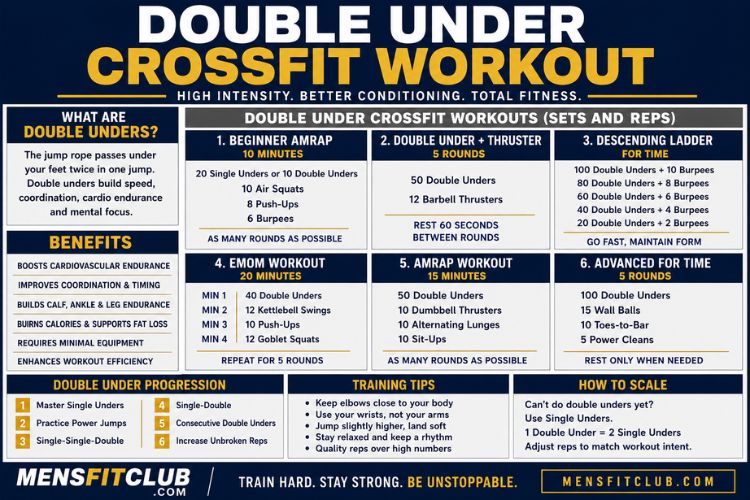
Double Under Workout CrossFit WODs Sets And Reps
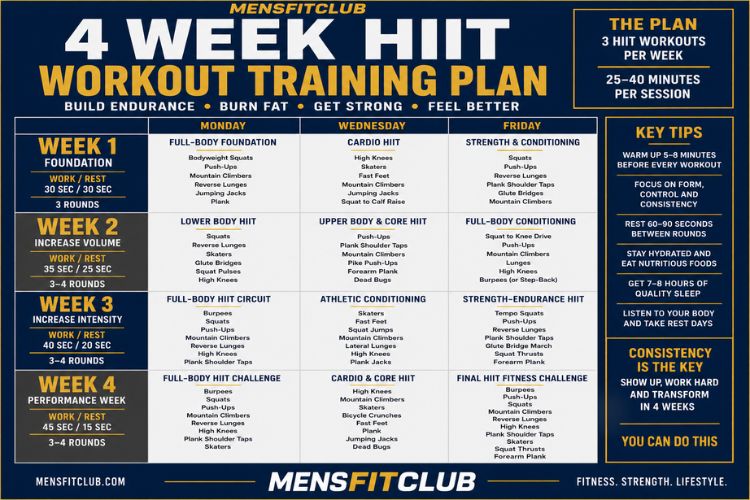
4 Week HIIT Workout Training Plan for Strength & Endurance
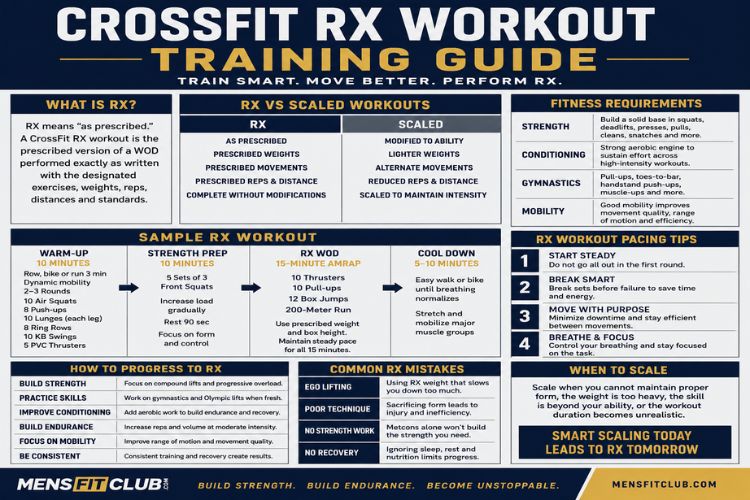
CrossFit RX Workout: Complete RX WOD Training Guide
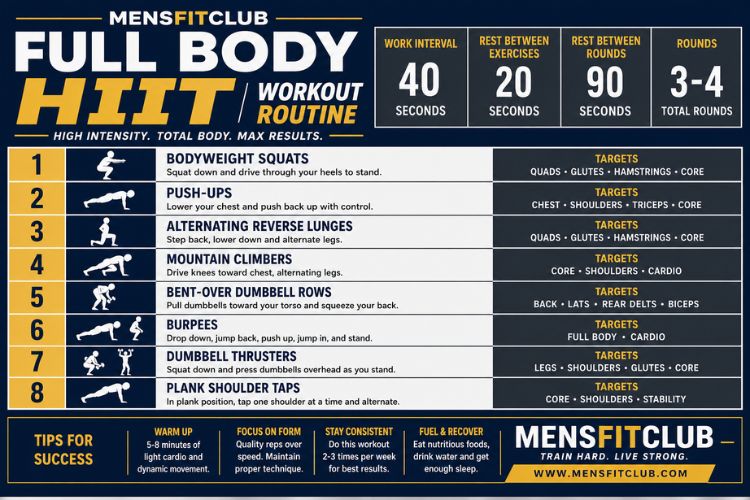
Best Full Body HIIT Workout Routine for Strength & Fat Loss
Isometric Strength Exercises

In the world of fitness, isometric strength exercises have garnered significant attention and for good reason. This specific form of exercise, often overlooked, can provide a host of physical benefits and serve as a crucial component to anyone’s workout routine.
The Power of Isometric Strength Exercises: Boost Your Workout
Isometric exercises refer to a type of strength training where the joint angle and muscle length remain static throughout the contractile activity. Unlike conventional strength training exercises that involve movement and contraction of muscles, isometric exercises involve holding a position or resistance without moving. This can be done using body weight, resistance bands, or other gym equipment.
Why Isometric Exercises?
Isometric exercises are often underrated in the fitness world, but they offer several unique benefits that can significantly enhance your training regimen:
1. Boost Strength and Stability: Isometric exercises are a fantastic way to build strength. They target specific muscle groups and improve muscle endurance by forcing the muscles to hold a specific position for an extended period. This can also increase overall stability and balance, which is beneficial in functional training and daily activities.
2. Versatility and Convenience: Isometric exercises can be performed anywhere, at any time, and don’t necessarily require gym equipment. They’re ideal for those with a busy schedule or limited access to a gym.
3. Rehabilitation and Injury Prevention: Isometric exercises put less strain on your joints, making them an excellent choice for those recovering from injury or those wanting to prevent injuries. They can also help to improve muscle imbalances and postural problems.
4. Improved Mind-Muscle Connection: By holding positions, you become more aware of your body, improving the mind-muscle connection. This can enhance your performance in other types of exercise.
Powerful Isometric Strength Exercises
Now that we understand why isometric exercises are beneficial, let’s delve into some effective exercises that you can incorporate into your workout routine:
1. Plank: The plank is one of the most popular isometric strength exercises, renowned for its ability to strengthen the core. To perform a plank, start in a push-up position but rest on your forearms instead of your hands. Keep your body in a straight line from your head to your heels and hold the position.
2. Wall Sit: This exercise targets your lower body, specifically the quadriceps. Stand with your back against a wall, then slide down until your thighs are parallel to the floor, and your knees are directly above your ankles. Hold this position.
3. Glute Bridge Hold: The isometric strength exercises targets your glutes and hamstrings. Lie flat on your back, bend your knees while keeping your feet flat on the ground. Lift your hips off the ground until your knees, hips, and shoulders form a straight line. Squeeze your glutes and hold this position.
4. Isometric Push-Up: Begin in a standard push-up position. Lower yourself halfway and hold the position. This exercise targets your chest, shoulders, and triceps.
5. Isometric Bicep Hold: For this exercise, you’ll need a resistance band or a dumbbell. Hold the resistance at a 90-degree angle and maintain that position. This exercise targets your biceps.
Remember, the key to effective isometric strength exercises is to maintain the position and engage your muscles for a certain amount of time, typically 20-30 seconds or more if possible.
Integration into Your Workout Routine
Isometric exercises can be integrated into your existing workout routine in several ways. You could dedicate certain days to solely isometric exercises, or you could combine them with dynamic exercises. For example, after a set of traditional squats, you could do a wall sit to further challenge your muscles.
Moreover, these exercises can be done as a form of active recovery on rest days. They are low impact yet still engage your muscles, making them a good option for maintaining activity levels on days off from intense workouts.
Isometric strength exercises are a valuable addition to any fitness regimen. They help to build strength and stability, improve mind-muscle connection, and can be performed anywhere. Whether you’re a fitness enthusiast or a beginner, incorporating isometric exercises into your workout routine can provide a new challenge and assist in achieving your fitness goals. Remember, fitness is not just about motion. Sometimes, it’s about holding still and discovering the strength within.


Most Recommended

Subscribe to our Newsletter
Stay up to date on the latest men’s health, fitness and lifestyle trends and tips.
About Us
Men’s Fit Club was started with the goal of empowering men to get the most out of their lives. This meant going beyond exercise and diet tips to really address the broad range of issues that men face on a daily basis – topics like recreation, finding love, sexual health and even sound fashion advice.
Quick Links
© COPYRIGHT MEN'S FIT CLUB 2026. All Rights Reserved