
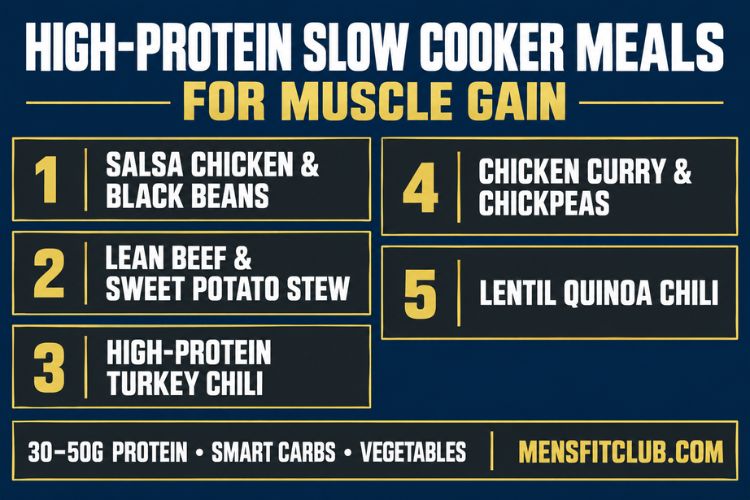
High-Protein Slow-Cooker Meals for Muscle Gain
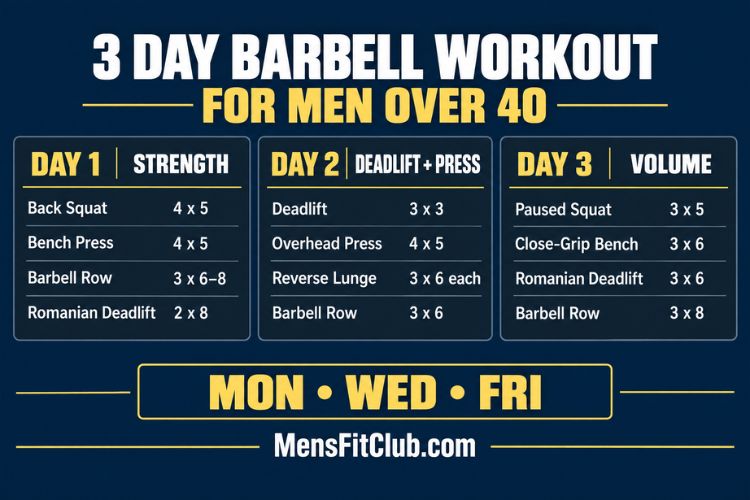
3 Day Barbell Strength Workout Program for Men Over 40
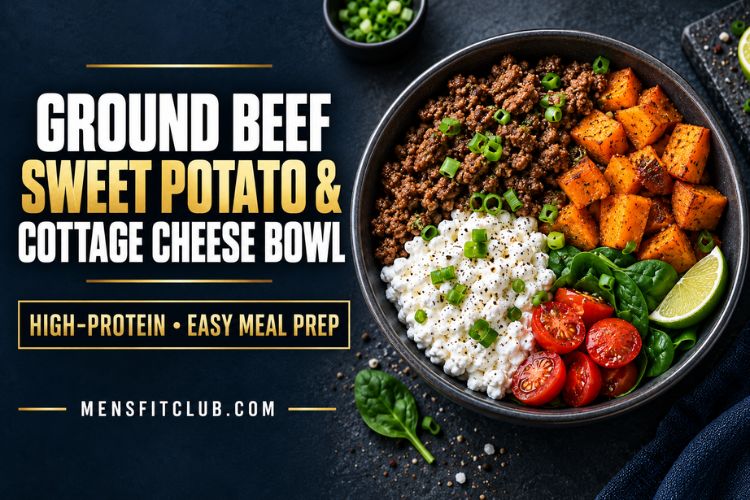
Ground Beef Sweet Potato and Cottage Cheese Bowl
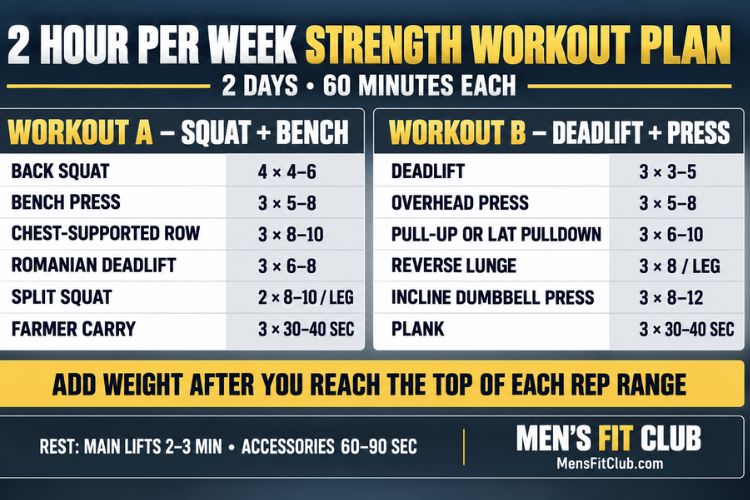
2 Hour Per Week Strength Workout Plan Your Ultimate Guide
High-Protein Turkey and Cabbage Meal Prep Recipe
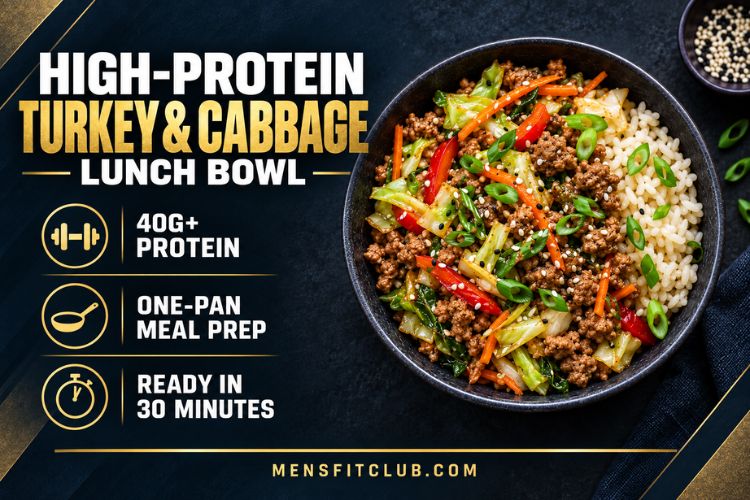
When your schedule is full but your fitness goals still matter, a reliable meal-prep recipe can make the difference between eating with purpose and grabbing whatever is convenient. This high-protein turkey and cabbage meal prep is designed for exactly that situation. It combines lean ground turkey, crisp-tender cabbage, colorful vegetables, and a savory garlic-ginger sauce in one pan. The result is a filling, affordable meal that reheats well and can be adjusted for fat loss, muscle building, or everyday healthy eating.
Unlike meal-prep recipes that require several pots, specialty ingredients, or an hour of cleanup, this dish keeps the process straightforward. Most of the preparation is simple chopping, and the entire recipe can be cooked in roughly 30 minutes. One batch makes five generous portions, so a short session in the kitchen can cover most of your workweek lunches or dinners.
The combination also makes nutritional sense. Turkey supplies the majority of the protein, while cabbage adds volume, fiber, texture, and micronutrients without pushing the calorie count too high. A moderate serving of rice can provide useful carbohydrates for training and recovery, or you can leave it out when you want a lower-carbohydrate meal. It is practical fitness food, but it still tastes like a real dinner.
Why Turkey and Cabbage Work So Well for Meal Prep
Ground turkey and cabbage solve several common meal-prep problems at once. Both ingredients are widely available, relatively budget-friendly, and easy to season. Ground meat cooks quickly and distributes throughout the dish, which helps every container receive a similar amount of protein. Cabbage holds up better than many delicate vegetables, so it is less likely to become watery or disappear after several days in the refrigerator.
Cabbage also creates a large, satisfying portion. That matters when you are trying to manage hunger while controlling calories. A container filled only with a small scoop of meat and rice may technically fit a nutrition target, but it may not feel like enough food. Adding several cups of cooked cabbage increases the physical volume of the meal and gives it a pleasant bite.
Flavor is another advantage. Turkey has a mild taste, so it absorbs garlic, ginger, soy sauce, sesame, chili, citrus, herbs, and many other seasonings. This recipe uses a savory stir-fry-inspired sauce, but the basic turkey-and-cabbage method can easily become Mexican, Mediterranean, barbecue, or curry-style meal prep.
High-Protein Turkey and Cabbage Meal Prep Recipe
This recipe makes five meal-prep servings. The base version includes cooked rice, but the amount can be increased, reduced, or replaced according to your calorie and carbohydrate needs.
Ingredients
- 2 pounds lean ground turkey, preferably 93% lean or leaner
- 1 medium green cabbage, cored and thinly sliced, about 8 packed cups
- 1 large red bell pepper, thinly sliced
- 1 medium yellow onion, diced
- 3 medium carrots, cut into thin matchsticks or shredded
- 4 garlic cloves, minced
- 1 tablespoon freshly grated ginger
- 1 tablespoon olive oil or avocado oil
- 1/3 cup reduced-sodium soy sauce or tamari
- 2 tablespoons rice vinegar
- 1 tablespoon toasted sesame oil
- 1 tablespoon honey or maple syrup
- 1 to 2 teaspoons sriracha or chili-garlic sauce, optional
- 1/2 teaspoon ground black pepper
- 3 cups cooked brown or white rice, optional
- 3 green onions, sliced, for serving
- 1 tablespoon sesame seeds, optional
- Lime wedges, optional
Step-by-Step Instructions
Whisk the soy sauce, rice vinegar, sesame oil, honey, chili sauce, and black pepper in a small bowl. Preparing the sauce before the pan gets hot keeps the cooking process organized and prevents the garlic or turkey from overcooking while you measure ingredients.
Heat the large skillet over medium-high heat and add the olive or avocado oil. Add the diced onion and cook for about three minutes, stirring occasionally. Add the garlic and ginger and cook for another 30 seconds, just until fragrant. Garlic can become bitter when burned, so keep it moving.
Add the ground turkey. Break it into small pieces with a wooden spoon and spread it across the pan. Cook for approximately six to eight minutes, stirring periodically, until no pink remains and the turkey reaches a safe internal temperature of 165°F. If a large amount of liquid collects in the pan, continue cooking briefly so some of it evaporates rather than draining away all the flavor.
Add the carrots and bell pepper. Cook for two to three minutes, then add the sliced cabbage in batches. The pan may look overloaded at first, but the cabbage will quickly reduce in volume. Fold each batch into the turkey mixture before adding more.
Pour in the prepared sauce and stir thoroughly. Reduce the heat to medium, cover the pan, and cook for four to six minutes. Remove the lid and continue cooking until the cabbage reaches your preferred texture. For meal prep, it is smart to stop while the cabbage remains slightly firm because it will soften a little more during reheating.
Taste before adding salt because soy sauce already supplies sodium. Adjust with extra rice vinegar for brightness, chili sauce for heat, or a squeeze of lime for freshness. Remove the skillet from the heat and allow the food to cool slightly before dividing it among the containers.
If using rice, place roughly 1/2 to 2/3 cup cooked rice in each container and add one-fifth of the turkey-and-cabbage mixture. Finish with green onion and sesame seeds. For the best texture, wait until serving to add lime juice.
Estimated Calories and Macros
Exact nutrition will change with the leanness of the turkey, the size of the cabbage, the brand of sauce, the cooking oil, and the amount of rice. As a practical estimate, one of five servings made with 93% lean turkey and about 3/5 cup cooked rice provides roughly 480 to 540 calories, 40 to 45 grams of protein, 45 to 55 grams of carbohydrates, and 14 to 18 grams of fat.
Without rice, each serving is approximately 350 to 410 calories, with a similar protein total and fewer carbohydrates. These figures should be treated as estimates rather than laboratory values. If you follow a precise calorie or macro target, enter the actual brands and measured ingredient weights into your preferred nutrition tracker.
How to Increase the Protein
The simplest way to raise the protein is to use 2 1/2 pounds of turkey while keeping the recipe divided into five servings. You could also split the original batch into four larger portions. Another option is to add shelled edamame near the end of cooking. Edamame contributes extra protein and fiber while fitting the flavor profile.
Choose leaner turkey if you want more protein for a similar calorie total. A 99% lean product generally provides less fat than a 93% lean version, although it can dry out more easily. To protect its texture, avoid cooking it longer than necessary and make sure the sauce coats the meat well.
How to Add More Training Fuel
For muscle gain, high-volume training, or an active job, increase the rice to one cup per portion. You can also use quinoa, roasted potatoes, noodles, or a mixture of rice and edamame. The goal is not to make every meal as low in carbohydrates as possible; it is to match your food intake to your training demands and total daily targets.
How This Meal Can Support Fitness Goals
Protein provides amino acids used in the maintenance and repair of body tissue. Resistance training creates the reason for muscle adaptation, while adequate food, protein, and recovery support the process. A meal containing around 40 grams of protein can make it easier for many men to distribute their daily intake across breakfast, lunch, dinner, and snacks.
For fat loss, the recipe offers a useful combination of lean protein and high-volume vegetables. Protein-rich meals tend to be more satisfying than meals built mainly around refined carbohydrates or fats, while cabbage increases the size of the serving for relatively few calories. That does not make the dish a magical fat-burning food. Fat loss still depends on maintaining an appropriate calorie deficit over time, but meals that control hunger can make that target easier to follow.
For muscle gain, keep the full serving of rice or add another carbohydrate source. Building muscle generally requires sufficient training stimulus, protein, and overall energy. A common mistake is to label a meal “high protein” while making it so low in total calories that it does not adequately support performance or recovery. Adjust the serving to fit the goal rather than forcing the same portion into every nutrition plan.
Turkey and Cabbage Meal Prep Storage and Reheating Tips
Let the cooked food stop steaming heavily before closing the containers, but do not leave it sitting at room temperature for an extended period. Divide the batch into shallow containers so it cools efficiently, then refrigerate it promptly. Properly handled cooked turkey is generally best used within three to four days in the refrigerator. If you prepared five portions and will not eat the last one within that window, freeze it on the cooking day.
For microwave reheating, loosen the lid or use a vented cover and heat until the food is steaming hot throughout. Stir halfway through so the center heats evenly. A tablespoon of water can refresh rice that has become dry. When reheating on the stovetop, add a splash of water or broth and stir over medium heat until hot.
The turkey-and-cabbage mixture freezes well for approximately two to three months when sealed carefully. Freeze individual portions so you can thaw only what you need. Move a container to the refrigerator the night before eating, then reheat it thoroughly. Avoid repeatedly cooling and reheating the same portion.
Keep the Texture Fresh
Do not cook the cabbage until completely soft during the initial preparation. Slightly crisp cabbage survives refrigeration and reheating better. Store crunchy toppings, fresh herbs, lime wedges, and extra sauce separately. Adding those ingredients after reheating creates contrast and makes a fourth-day lunch taste much closer to a freshly cooked meal.
Easy Variations to Prevent Turkey and Cabbage Meal Prep Boredom
One recipe can produce several different flavor profiles. For a spicy Korean-inspired version, add gochujang to the sauce and garnish with kimchi after reheating. For a peanut-lime variation, stir together powdered peanut butter or natural peanut butter, lime juice, soy sauce, warm water, and chili sauce, then drizzle it over the finished meal.
A Mexican-style turkey and cabbage skillet, replace the soy-ginger sauce with chili powder, cumin, smoked paprika, oregano, garlic, and salsa. Add black beans and corn if your carbohydrate target allows, then serve with cilantro and lime. A small portion of avocado can add richness, but pack it separately to preserve its appearance.
For Mediterranean flavor, season the turkey with oregano, garlic, black pepper, lemon, and a little smoked paprika. Replace the rice with roasted potatoes or quinoa, and add tomatoes, parsley, and a spoonful of plain Greek yogurt after reheating. The core technique stays the same even though the finished meal tastes completely different.
You can also switch the vegetables. Red cabbage adds color and a firmer bite. Broccoli slaw saves chopping time, while mushrooms provide savory depth. Zucchini works well but releases more water, so cook it uncovered and avoid overloading the pan.
Frequently Asked Questions About Turkey and Cabbage Meal Prep
Can I Use Ground Chicken Instead of Turkey?
Yes. Lean ground chicken cooks in much the same way and works with the same sauce. Monitor it carefully because very lean chicken can dry out. Ground beef also works, but the calories and fat will depend heavily on the percentage of lean meat.
Can I Make This Recipe Low Carb?
Yes. Leave out the rice and serve the turkey mixture by itself, over cauliflower rice, or with additional non-starchy vegetables. Remember that “low carb” is a preference or strategy, not a requirement for fat loss. The most useful version is the one that fits your overall calorie needs and that you can follow consistently.
Is This Recipe Gluten-Free?
It can be. Use certified gluten-free tamari instead of regular soy sauce and check the labels on the chili sauce and all packaged seasonings. Ingredient formulations can vary by brand.
How Do I Stop Ground Turkey From Becoming Dry?
Use medium-high rather than extreme heat, stop cooking once it reaches a safe temperature, and add the sauce before the meat spends too long in the pan. A 93% lean turkey blend is more forgiving than 99% lean turkey. When reheating, add a spoonful of water or extra sauce.
Internal Links for Readers
Build a broader nutrition and training routine by exploring the MensFitClub Nutrition Archive, then pair this meal prep with the MensFitClub Workouts Section, the Weight-Loss Resources, the Muscle-Building Guides, and the Latest Men’s Fitness Advice. These supporting pages can help readers connect a repeatable high-protein lunch with an appropriate workout plan, calorie target, and sustainable weekly routine.
High-Protein Turkey and Cabbage Meal Prep
High-protein turkey and cabbage meal prep succeeds because it is simple enough to repeat. It uses familiar ingredients, requires only one main pan, and offers a strong balance of lean protein, vegetables, flavor, and adjustable carbohydrates. The recipe can support fat-loss phases, muscle-building plans, or busy weeks when ordering takeout would otherwise become the default.
Prepare the base recipe once, adjust the rice and serving size to your goals, and use sauces or seasoning variations to keep it interesting. Consistency becomes much easier when the food in your refrigerator is convenient, satisfying, and worth looking forward to.


Most Recommended

Subscribe to our Newsletter
Stay up to date on the latest men’s health, fitness and lifestyle trends and tips.
About Us
Men’s Fit Club was started with the goal of empowering men to get the most out of their lives. This meant going beyond exercise and diet tips to really address the broad range of issues that men face on a daily basis – topics like recreation, finding love, sexual health and even sound fashion advice.
Quick Links
© COPYRIGHT MEN'S FIT CLUB 2026. All Rights Reserved