
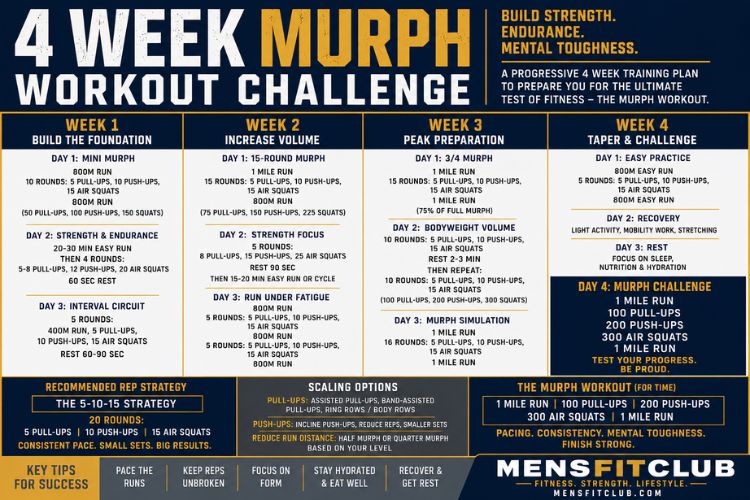
4 Week Murph Workout Challenge A Complete Training Plan
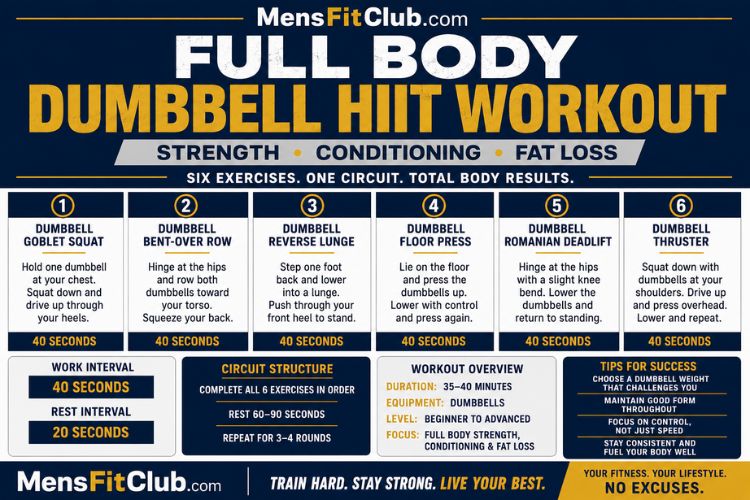
Full Body HIIT Routine With Dumbbells (Build Muscle + Burn Fat)
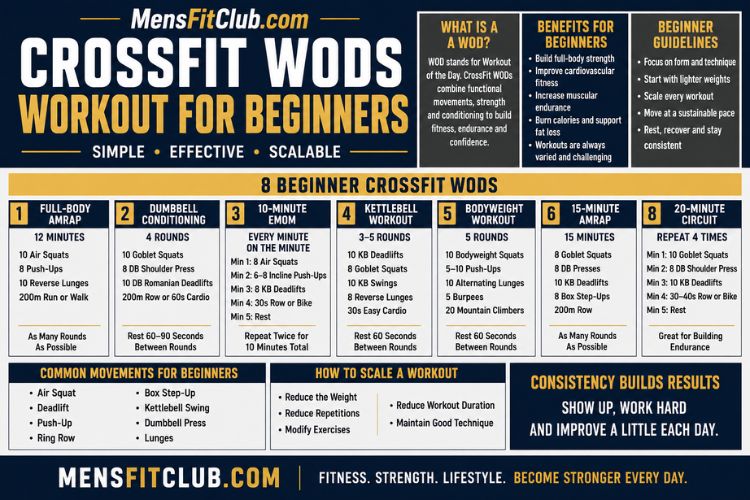
CrossFit WOD Workout for Beginners to Get Started
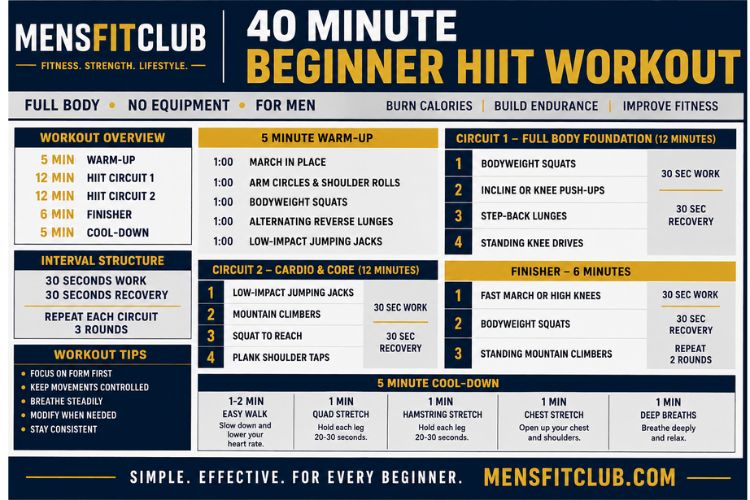
40 Minute Beginner HIIT Workout: Full Body Routine
Ways To Slow Down Metabolism

Our society often heralds a fast metabolism as the pinnacle of health and wellness, associating it with effortless weight loss and abundant energy. Yet, there are specific situations where slowing down your metabolism can be beneficial. Those needing to gain weight, for instance, such as athletes building muscle or individuals recovering from illnesses, may wish to do so. Here are some ways to gently dial back your metabolic rate without compromising your overall health.
Unconventional Ways to Slow Down Your Metabolism
- Reduced Physical Activity
Physical activity significantly contributes to the number of calories we burn each day, known as our Total Daily Energy Expenditure (TDEE). Reducing intense physical activity levels may help to slow your metabolism. Consider swapping high-intensity interval training (HIIT) for more gentle forms of exercise like walking or yoga. Remember, the goal isn’t to become sedentary, but rather to strike a balance that serves your body best.
- Nutrition and Caloric Intake
Generally, a higher caloric intake can increase your metabolic rate because digesting food requires energy, a phenomenon known as the thermic effect of food. To slow down your metabolism, avoid eating more than your body needs. However, always ensure you’re getting enough nutrients. You can also prioritize foods with a lower thermic effect, such as fats, over those with a higher effect like proteins.
- Smaller, More Frequent Meals
Eating large, infrequent meals can spike your metabolism, whereas eating smaller meals more frequently throughout the day can keep it relatively stable. Aim for balanced, nutrient-dense snacks and meals every 3-4 hours. Not only can this strategy help slow your metabolism, but it may also prevent blood sugar crashes and associated cravings.
- Proper Hydration
Staying hydrated is essential for overall health, but if your aim is to slow down your metabolism, avoid ice-cold water. The body burns calories to warm cold water to body temperature. Opt instead for room temperature or warm drinks.
- Sufficient Sleep
Poor sleep can negatively affect various aspects of health, including metabolic processes. Lack of sleep can also lead to increased production of the hormone ghrelin, which can stimulate appetite. Ensuring a good night’s sleep may help to maintain a slower metabolism.
- Limiting Stimulants
Substances like caffeine can temporarily increase your metabolic rate. If your goal is to slow down your metabolism, consider reducing the amount of coffee, tea, and other caffeinated products you consume.
- Meditation and Stress Management
Stress triggers the release of hormones like cortisol, which can boost your metabolism. Regular meditation, deep-breathing exercises, or other stress management techniques can help keep your cortisol levels in check and potentially slow your metabolic rate.
- Reduce Protein Intake
Protein has a high thermic effect, meaning the body uses more energy to digest it compared to fats and carbohydrates. While you shouldn’t eliminate protein from your diet, if you’re seeking to slow your metabolism, consider reducing your protein intake and increasing your consumption of complex carbohydrates and healthy fats.
Remember, while these methods can slow down your metabolism, they should not compromise overall health. Good nutrition, regular exercise, adequate sleep, and hydration are still crucial. It’s all about balance and what works best for your unique body and lifestyle.
Finally, before making any drastic changes to your lifestyle or diet, always consult with a healthcare provider. This ensures that you approach your goal in a manner that is not only effective but also safe. Embrace the slow lane with wisdom and care, and watch how your body responds with gratitude.


Most Recommended

Subscribe to our Newsletter
Stay up to date on the latest men’s health, fitness and lifestyle trends and tips.
About Us
Men’s Fit Club was started with the goal of empowering men to get the most out of their lives. This meant going beyond exercise and diet tips to really address the broad range of issues that men face on a daily basis – topics like recreation, finding love, sexual health and even sound fashion advice.
Quick Links
© COPYRIGHT MEN'S FIT CLUB 2026. All Rights Reserved