
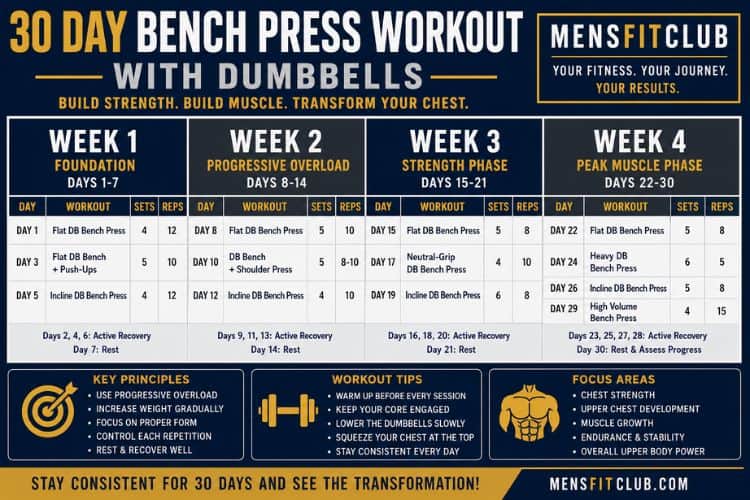
30 Day Dumbbell Bench Press Workout for a Bigger Chest
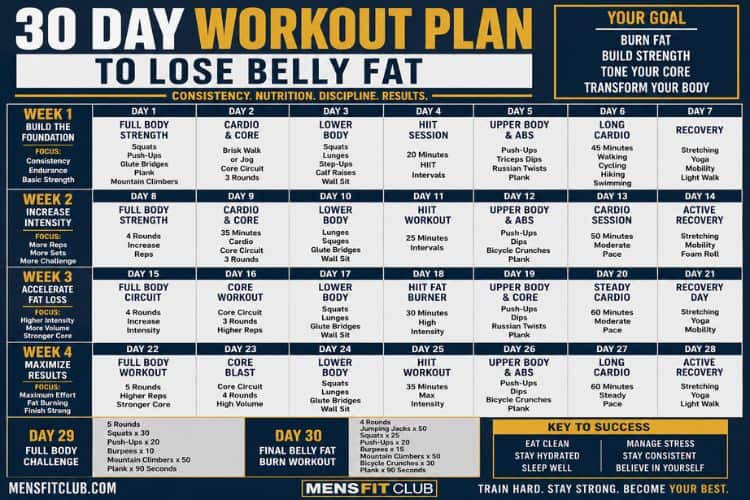
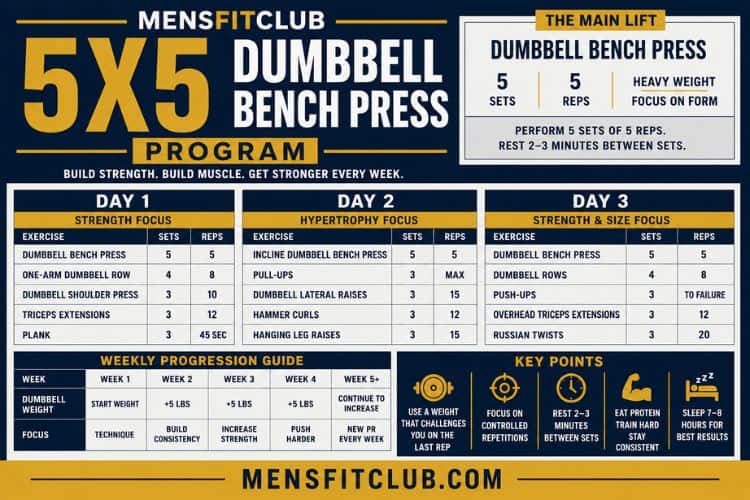
5×5 Dumbbell Bench Press Workout The Ultimate Guide to Gains
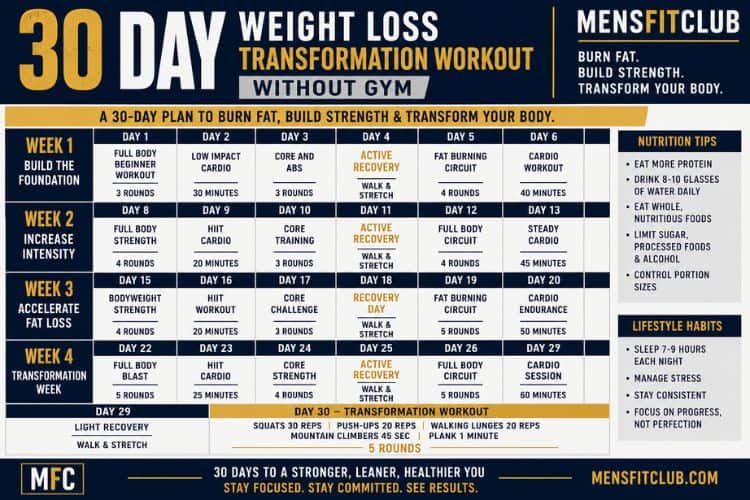
30 Day Weight Loss Transformation Workout Without Gym
Strength Training For Weight Gain

Weight gain often brings to mind images of bodybuilders and fitness enthusiasts looking to build muscle and increase their overall size. However, strength training can be beneficial for individuals seeking to gain weight for a variety of reasons, including improving athletic performance, enhancing overall health, or simply feeling more confident in their appearance. In this blog, we will delve into the science and principles behind strength training for weight gain and provide actionable tips to help you achieve your goals.
Strength Training For Weight Gain A Comprehensive Guide
I. The Science Behind Weight Gain and Strength Training
A. Hypertrophy
Hypertrophy is the process by which muscle fibers increase in size. Strength training stimulates this process by causing small amounts of damage to the muscle fibers, which then repair and grow larger in response. There are two primary forms of hypertrophy: myofibrillar and sarcoplasmic. Myofibrillar hypertrophy focuses on the actual muscle fibers, while sarcoplasmic hypertrophy involves the growth of the muscle’s energy-storing components. Combining both forms of hypertrophy is key to maximizing weight gain and muscle growth.
B. Progressive Overload
To achieve optimal results, it’s essential to continually challenge your muscles by increasing the intensity, volume, or frequency of your workouts over time. This concept is known as progressive overload. By regularly increasing the demands on your muscles, you stimulate continuous adaptation and growth, resulting in weight gain and improved performance.
II. The Principles of Strength Training for Weight Gain
A. Compound Movements
Compound movements are exercises that engage multiple muscle groups at once, such as squats, deadlifts, bench presses, and pull-ups. These exercises recruit a larger number of muscle fibers, leading to greater gains in size and strength. Prioritizing compound movements in your strength training program will help you achieve the most significant results in the shortest amount of time.
B. Consistency and Patience
Weight gain through strength training is a gradual process that requires consistency and patience. While some individuals may experience rapid gains at the beginning of their training journey, it’s crucial to maintain a consistent approach and avoid becoming discouraged if progress seems slow. Remember, building muscle and gaining weight is a marathon, not a sprint.
C. Nutrition: strength training for weight gain
Proper nutrition plays a critical role in supporting weight gain and muscle growth. Consuming an adequate amount of calories and macronutrients, particularly protein, is essential for promoting muscle repair and growth. Aim to consume a well-rounded diet rich in whole foods, lean proteins, healthy fats, and complex carbohydrates.
III. Developing a Strength Training Program for Weight Gain
A. Workout Structure
To optimize weight gain, your strength training program should include a mix of compound and isolation exercises, targeting all major muscle groups. A balanced workout routine typically consists of 3-5 sets of 6-12 repetitions for each exercise, with 1-2 minutes of rest between sets. Focus on performing each repetition with proper form and a controlled tempo, ensuring that your muscles are fully engaged throughout the movement.
B. Frequency and Split
Aim to train each muscle group 2-3 times per week, allowing for adequate recovery between workouts. One popular approach is the upper/lower split, which divides workouts into upper body and lower body days. Alternatively, you may choose a full-body workout routine or a push/pull/legs split, depending on your schedule and preferences.
C. Progression: strength training for weight gain
As mentioned earlier, progressive overload is essential for continuous muscle growth and weight gain. There are several ways to implement progressive overload in your strength training program:
1.Increase the weight: Gradually add weight to your exercises as you become stronger.
2. Increase the volume: Perform more sets or repetitions for each exercise.
4. Increase the frequency Train more often, allowing for adequate recovery between sessions. 4. Decrease rest time: Reduce the amount of rest between sets, forcing your muscles to adapt to a higher workload.
5. Increase exercise complexity: Progress to more challenging variations of an exercise to further stimulate muscle growth.
IV. Tips for Maximizing Weight Gain
A. Prioritize Sleep and Recovery
Adequate sleep and recovery are crucial for muscle growth and weight gain. Aim for 7-9 hours of sleep per night and consider incorporating recovery techniques such as foam rolling, stretching, and massage to aid in muscle repair.
B. Monitor Your Progress
Keep track of your workouts, nutrition, and body measurements to monitor your progress and make adjustments as needed. This will help you stay motivated and ensure that you are consistently moving towards your weight gain goals.
C. Stay Hydrated: strength training for weight gain
Proper hydration is essential for optimal muscle function, recovery, and growth. Aim to consume at least half your body weight in ounces of water per day and increase this amount during periods of intense training or hot weather.
D. Seek Professional Guidance
If you’re new to strength training or have specific health concerns, consider consulting with a certified personal trainer or healthcare professional to develop a safe and effective program tailored to your individual needs and goals.
Strength training is a powerful tool for weight gain and muscle growth, offering numerous benefits for individuals seeking to improve their athletic performance, health, or appearance. By understanding the science and principles behind strength training, implementing a well-rounded program, and focusing on consistency, progressive overload, and proper nutrition, you can effectively achieve your weight gain goals. Remember, the journey to weight gain and muscle growth is a marathon, not a sprint, so stay patient and committed to your journey.


Most Recommended

Subscribe to our Newsletter
Stay up to date on the latest men’s health, fitness and lifestyle trends and tips.
About Us
Men’s Fit Club was started with the goal of empowering men to get the most out of their lives. This meant going beyond exercise and diet tips to really address the broad range of issues that men face on a daily basis – topics like recreation, finding love, sexual health and even sound fashion advice.
Quick Links
© COPYRIGHT MEN'S FIT CLUB 2026. All Rights Reserved