
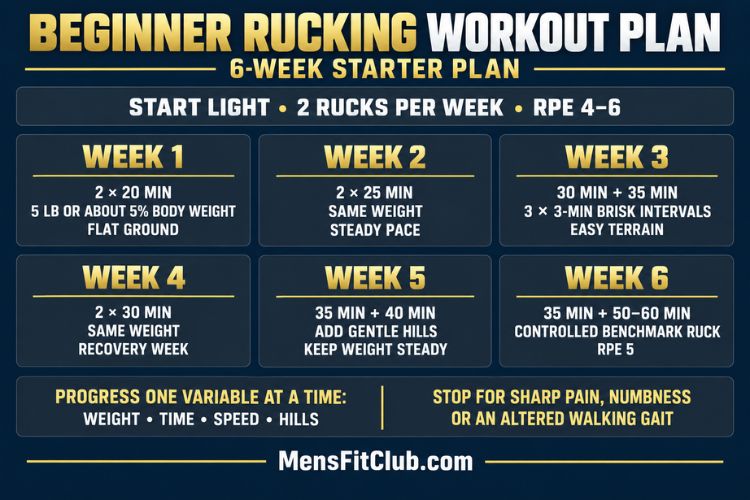
Beginner Rucking Workout Plan for Strength and Fat Loss
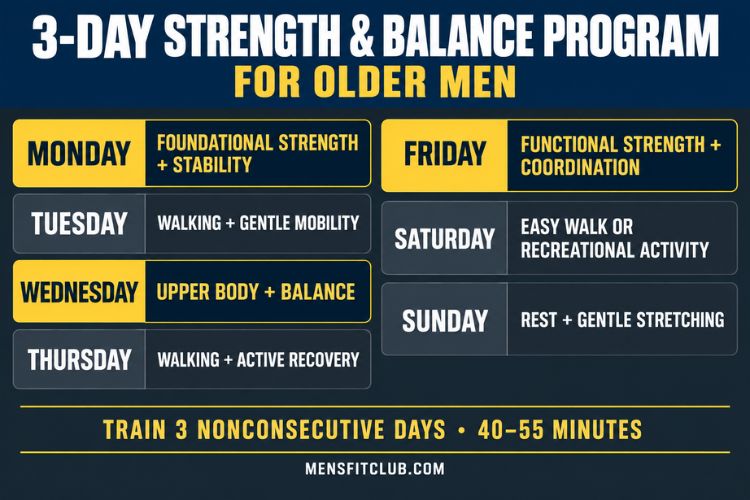
3 Day Strength and Balance Program for Older Men

Best Hair and Beard Routine for Men Who Work Out Daily
What Causes Sleep Apnea in Adults?
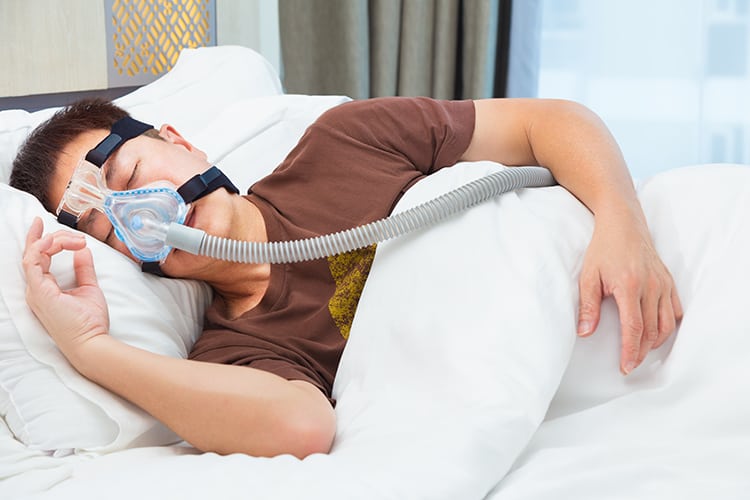
Sleep apnea is a serious sleep disorder affecting millions of adults worldwide. It causes frequent pauses in breathing during sleep, leading to disrupted and poor-quality sleep. The most common form of this condition is called obstructive sleep apnea (OSA), in which the airway becomes partially or completely blocked during sleep. Understanding the causes of sleep apnea is crucial to identifying the risk factors, seeking appropriate treatment, and improving the quality of life for those affected. In this blog post, we’ll delve into the various causes and factors that contribute to the development of sleep apnea in adults.
Unraveling the Mystery What Causes Sleep Apnea in Adults?
1. Anatomy and Genetics
An individual’s physical attributes and genetic predisposition can play a significant role in the development of sleep apnea. Factors such as a narrow airway, large tonsils or adenoids, a recessed chin, or a deviated nasal septum can all contribute to airway obstruction during sleep. Additionally, a family history of sleep apnea may increase the risk of developing the condition.
2. Obesity
Obesity is one of the leading risk factors for sleep apnea in adults. Excess body weight, particularly around the neck and upper airway, can exert pressure on the airway muscles and cause them to collapse during sleep. Moreover, fatty tissue in the throat may narrow the airway, further increasing the likelihood of developing sleep apnea. Weight loss has been shown to significantly improve or even eliminate sleep apnea symptoms in many individuals.
3. Age Causes of Sleep Apnea In Adults
As we age, our muscle tone naturally decreases, including the muscles in our airways. This can lead to a higher likelihood of airway collapse during sleep, resulting in sleep apnea. Although sleep apnea can affect people of all ages, the risk increases significantly in middle-aged and older adults.
4. Alcohol and Sedative Use
Alcohol consumption and the use of sedatives or sleeping pills can relax the muscles in the throat, making it more likely for the airway to collapse during sleep. This can lead to episodes of apnea or worsen pre-existing sleep apnea. It is recommended that individuals with sleep apnea reduce or avoid alcohol consumption, particularly in the evening, and discuss alternatives to sedatives with their healthcare provider.
5. Smoking Causes of Sleep Apnea In Adults
Smokers are at a higher risk of developing sleep apnea due to the irritation and inflammation caused by tobacco smoke in the upper airway. This can lead to swelling and congestion, which narrows the airway and makes it more prone to collapse during sleep. Quitting smoking can significantly reduce the risk of sleep apnea and improve overall health.
6. Nasal Congestion
Chronic nasal congestion, whether due to allergies, sinus issues, or other medical conditions, can increase the risk of sleep apnea. A congested nasal passage makes it more difficult for air to flow freely, forcing the individual to breathe through their mouth, which can lead to airway obstruction during sleep. Treating nasal congestion with medications or lifestyle changes can help alleviate sleep apnea symptoms.
7. Gender Causes of Sleep Apnea In Adults
Men are more likely to develop sleep apnea than women. This difference may be attributed to hormonal factors, as well as differences in fat distribution and airway anatomy. However, the risk of sleep apnea in women increases after menopause, suggesting that hormonal changes may play a role in the development of the condition.
8. Medical Conditions
Certain medical conditions, such as hypothyroidism, acromegaly, and polycystic ovary syndrome (PCOS), can increase the risk of developing sleep apnea. These conditions often lead to hormonal imbalances, obesity, or abnormal growth of tissues, which can contribute to airway obstruction during sleep. Effective management of these underlying conditions can help reduce the
risk of sleep apnea. Additionally, conditions like congestive heart failure and atrial fibrillation have been associated with an increased risk of central sleep apnea, a less common form of sleep apnea that occurs when the brain fails to send proper signals to the muscles that control breathing.
9. Sleep Position Causes of Sleep Apnea In Adults
Sleeping on your back, also known as the supine position, can contribute to sleep apnea by allowing gravity to pull the tongue and soft tissues in the throat backward, increasing the likelihood of airway obstruction. Sleeping on your side, referred to as the lateral position, can help alleviate sleep apnea symptoms in some individuals by promoting a more open airway. Special pillows and devices are available to help maintain a side-sleeping position throughout the night.
Understanding the causes of sleep apnea in adults is essential for identifying and managing the risk factors associated with this sleep disorder. It is important to note that the presence of one or more risk factors does not guarantee the development of sleep apnea. However, being aware of these factors can help individuals make informed decisions regarding their sleep habits and overall health. If you suspect that you or a loved one may have sleep apnea, consult with a healthcare professional for proper evaluation and treatment. With appropriate intervention and lifestyle changes, sleep apnea can be effectively managed, improving both sleep quality and overall health.


Most Recommended

Subscribe to our Newsletter
Stay up to date on the latest men’s health, fitness and lifestyle trends and tips.
About Us
Men’s Fit Club was started with the goal of empowering men to get the most out of their lives. This meant going beyond exercise and diet tips to really address the broad range of issues that men face on a daily basis – topics like recreation, finding love, sexual health and even sound fashion advice.
Quick Links
© COPYRIGHT MEN'S FIT CLUB 2026. All Rights Reserved