


Sled-Free HYROX Workout Without Equipment at Home
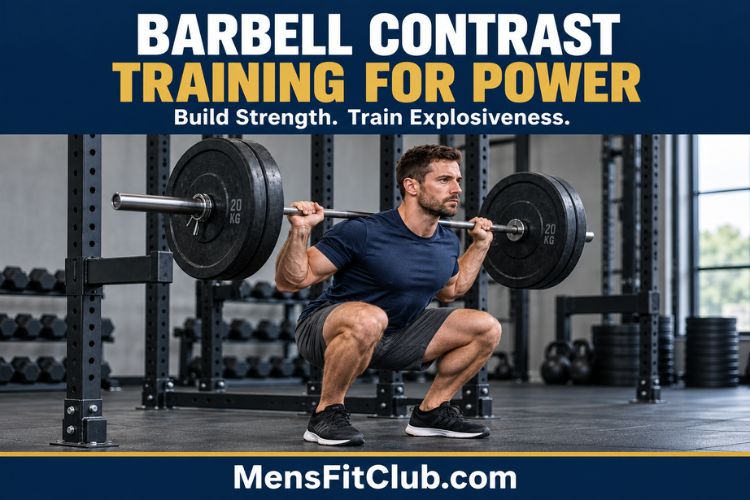
Barbell Contrast Training Workout for Explosive Power

How Long Should a HIIT Workout Be? A Practical Guide

A HIIT workout does not need to last an hour to challenge your fitness. However, choosing the right duration involves more than setting a timer and working until you feel exhausted. Your fitness level, exercise selection, recovery periods, and other weekly workouts all influence how much high-intensity training you can use productively.
For many recreational exercisers, a practical starting range is approximately 15 to 30 minutes for the complete session, including a warm-up, intervals, and a cooldown. Within that session, the interval block might last only 6 to 15 minutes. These are programming examples rather than a universal rule: some established endurance protocols take longer, while introductory sessions may contain very little hard work.
The most useful answer to “How long should a HIIT workout be?” is therefore this: long enough to complete purposeful, repeatable intervals, but short enough to preserve movement quality and recover for your next training session.
What Counts as a HIIT Workout?
High-intensity interval training alternates demanding exercise with easier movement or rest. The recovery periods allow you to repeat a challenging effort that would be difficult to sustain continuously. Interval duration, recovery length, intensity, and number of repetitions can all vary.
ACSM describes HIIT as a flexible training format rather than one fixed workout. Different protocols use different combinations of hard efforts and lower-intensity recovery. That variation explains why two effective HIIT sessions can have very different running times.
High Intensity Is Relative to Your Fitness
Use perceived exertion alongside your ability to speak. During a demanding interval, breathing should be noticeably harder and conversation limited. The CDC describes vigorous activity as an effort during which you can say only a few words before pausing for breath. This is a useful general guide, although it does not precisely measure every short interval.
HIIT Workout Does Not Always Mean Maximum Effort
You do not need to sprint at your absolute limit during every repetition. Many aerobic interval sessions use hard but controlled efforts. All-out sprint interval training is a distinct, especially demanding approach and should not be treated as the default for beginners.
Likewise, moving quickly through squats, push-ups, and lunges does not automatically make a workout HIIT. If local muscle fatigue limits the session before you can produce repeatable cardiovascular efforts, you may be doing a conditioning circuit instead. Both formats can be useful, but their demands differ.
Total Workout Time Versus High-Intensity Work Time
The distinction between total session length and actual hard work is essential. A “20-minute HIIT workout” usually should not mean 20 uninterrupted minutes at very high intensity. It may include preparation, easy recovery, transitions, and a gradual finish.
Consider six rounds of 30 seconds hard followed by 90 seconds easy. The interval block lasts 12 minutes, but the accumulated hard effort is only three minutes. Add a six-minute warm-up and a four-minute cooldown, and the complete workout takes 22 minutes.
Count the Whole HIIT Workout Session When Planning Your Schedule
When you reserve time to train, include the warm-up and cooldown. Advertising often emphasizes the brief interval block, which can make a workout appear shorter than the time needed to perform it sensibly.
A ten-minute interval routine may require closer to 20 minutes on your calendar. That additional time is useful preparation and recovery, not wasted time. If your schedule is tight, reduce the number of intervals before removing the preparation your body needs.
Track Hard Minutes Separately
Recording accumulated hard time helps you compare workouts more accurately. Eight rounds of 20-second efforts contain less than three minutes of hard exercise. Four three-minute intervals contain 12 minutes, even if the total sessions look similar.
How Long Should a HIIT Workout Be for Beginners?
Beginners should first become comfortable with regular, moderate exercise and the chosen movement. Someone who has been inactive does not need to start with true HIIT. Brisk walking, easy cycling, and controlled changes of pace can build a foundation before harder intervals are introduced.
Once ready, a beginner might start with a complete session of approximately 15 to 20 minutes, using a short interval block and generous recovery. The goal is to finish with control and confidence rather than squeeze the greatest possible workload into the available time.
Begin With Short Efforts and Longer Recovery
A practical introductory format is four to six rounds of 20 seconds at a challenging, controlled pace followed by 100 seconds easy. That creates an eight- to 12-minute interval block with only 80 to 120 seconds of harder exercise.
For someone still developing fitness, those faster portions may be vigorous intervals rather than true high-intensity efforts. That is appropriate. Establishing repeatable movement and recovery is more valuable than forcing a particular label onto the workout.
Choose an HIIT Workout Exercise You Can Control
A stationary bike often makes interval timing straightforward because resistance and cadence are easy to adjust. Incline walking can also provide a demanding effort for some people without requiring running.
HIIT Duration for Intermediate and Advanced Exercisers
An intermediate exerciser can often use a 20- to 30-minute complete workout with roughly 10 to 18 minutes devoted to the interval block. The appropriate amount depends on interval intensity, recovery, and how demanding the rest of the training week already is.
Experienced athletes may use longer sessions with longer work intervals. A workout containing several two- to four-minute efforts can exceed 30 minutes once preparation and recovery are included. Longer protocols are not automatically inappropriate; they simply need to match the athlete’s goal and capacity.
Intermediate HIIT Workout Training Should Emphasize Repeatability
A useful format is eight rounds of 30 seconds hard and 60 seconds easy. This produces a 12-minute interval block and four accumulated hard minutes. Select a pace you can reproduce with reasonably consistent technique.
If the first repetition is dramatically faster than the last, you may have started too aggressively. Adjust the initial pace or extend recovery. Adding more repetitions to a poorly paced session usually makes the problem worse.
Advanced Training Requires a Specific Purpose
Advanced exercisers should choose duration according to the adaptation they want. Short, powerful efforts and longer aerobic intervals are different training tools. An experienced runner preparing for competition may need a different session from a lifter adding weekly conditioning.
How Work-to-Rest Ratios Change HIIT Workout Length
The relationship between work and recovery shapes both the clock time and the effort you can sustain. Short recovery can make a session feel harder, but feeling harder does not necessarily mean delivering a better training stimulus.
A 1:3 Ratio Offers Generous Recovery
A 20-second effort followed by 60 seconds easy uses a 1:3 work-to-rest ratio. Eight rounds last ten minutes and 40 seconds, with two minutes and 40 seconds of hard work.
This can be useful when you want brief, demanding efforts and enough recovery to repeat them. However, very intense sprinting may require even longer recovery. A ratio is a starting framework, not a guarantee that everyone is ready for the next repetition.
A 1:2 Ratio Balances Work and Recovery HIIT Workout
A 30-second effort followed by 60 seconds easy creates a 1:2 ratio. Ten rounds last 15 minutes and accumulate five minutes of hard effort. This offers a straightforward structure for someone familiar with interval training.
Watch how your pace changes across the session. If you repeatedly need extra recovery, adjust the plan. The timer should organize the workout, while your performance determines whether the prescription is appropriate.
Equal Work and Recovery Can Be Demanding
Intervals such as one minute hard and one minute easy use a 1:1 ratio. These often require a more controlled work pace than very short explosive efforts.
Do not combine maximum effort, equal recovery, and a large number of rounds simply because the format looks efficient. A session that becomes progressively slower may be demanding without meeting its intended training goal.
Should HIIT Workout Last 10, 20, or 30 Minutes?
Each duration can be useful, but only when you clarify what the number includes. A ten-minute interval block is different from a complete ten-minute session, and a 30-minute workout can contain relatively little actual hard exercise.
When a Ten-Minute Interval Block Makes Sense
Ten minutes can provide enough room for several short repetitions. For example, six rounds of 20 seconds hard and 80 seconds easy create exactly ten minutes of intervals.
This can work well as a compact conditioning session when combined with an appropriate warm-up and cooldown. If you have only ten minutes total, a brief moderate workout may be more practical than rushing into demanding intervals without preparation.
When a 20-Minute Complete HIIT Workout Works
Twenty minutes can accommodate a six-minute warm-up, ten minutes of intervals, and a four-minute cooldown. That is a realistic format for a busy exerciser who already tolerates the activity.
When a 30-Minute Session Is Appropriate
Thirty minutes gives you more room for preparation, longer recovery, or a longer interval block. A seven-minute warm-up, 18 minutes of intervals, and a five-minute cooldown is one example.
Sample HIIT Workouts With Clear Timing
The following sessions are practical templates for generally healthy exercisers who are ready for intervals. Use an activity you know well, such as stationary cycling. Keep the hard efforts controlled and scale resistance or pace to your ability.
Beginner Template: 20 Minutes Total
Warm up for six minutes, starting easily and gradually increasing your pace. Complete five rounds of 20 seconds challenging and 100 seconds easy. Those rounds take ten minutes. Finish with four minutes of easy movement.
The complete workout lasts 20 minutes and contains one minute and 40 seconds of challenging effort. For a beginner, that modest workload can be enough to practice pacing without turning the session into a test of endurance.
Intermediate Template: 25 Minutes HIIT Workout Total
Begin with seven minutes of progressive warm-up. Complete eight rounds of 30 seconds hard and 60 seconds easy, producing a 12-minute interval block. Finish with six minutes of easy movement.
The total duration is 25 minutes, with four accumulated hard minutes. Use a repeatable effort rather than attacking the first round. Your later repetitions should still resemble the early ones in technique and output.
Experienced Template: 30 Minutes Total
Warm up for seven minutes. Complete three rounds of three minutes hard followed by three minutes easy. The interval block lasts 18 minutes. Finish with five minutes of easy movement.
This session contains nine hard minutes. The work pace must be appropriate for three-minute efforts; it should not be an all-out sprint. Use this format only when you already tolerate shorter intervals and want a longer aerobic challenge.
How Long Should HIIT Workout Be for Fat Loss?
There is no special interval duration that guarantees fat loss. Changes in body weight depend on your overall energy balance, while consistency determines whether your activity plan remains useful over time.
A manageable 15- to 25-minute complete interval session can fit a broader weight-management routine. However, walking, moderate cardio, and strength training may be easier to sustain in greater weekly amounts. HIIT is one option within that routine.
Avoid Chasing Maximum Calorie Burn
Workout calorie estimates are imprecise, and sweating does not measure fat loss. Extending intervals until you are exhausted can also leave you less active later in the day.
Choose a workload that allows you to maintain regular activity and productive strength sessions. A shorter workout you repeat consistently is usually more useful than a punishing session you avoid for the next week.
How Often Should You Do HIIT Workout?
A conservative starting point is one interval session per week, progressing to two if recovery remains good. Leave an easier day between demanding sessions when possible. This is a practical scheduling approach, not a universal prescription.
Consider your entire workload. Heavy leg training, running, sports, and physically demanding work all matter. Adding HIIT to an already challenging week may require reducing something else.
Combine HIIT With Other Physical Activity
The CDC recommends at least 150 minutes of moderate aerobic activity or 75 minutes of vigorous activity weekly, or an equivalent combination, plus muscle-strengthening activity on two or more days. A few brief HIIT sessions do not automatically meet those recommendations.
Adjusting HIIT Duration Around Strength Training
If building strength or muscle is your priority, keep conditioning from undermining your lifting performance. When both occur in the same session, lifting first often makes practical sense because it preserves freshness for the work you value most.
A short interval block after lifting may be sufficient. Alternatively, place HIIT on another day and monitor how your legs feel at the next strength session. Avoid stacking hard running intervals directly around demanding lower-body workouts if performance suffers.
Let Recovery Guide Your Next Step
Track sleep, soreness, motivation, and performance. If strength numbers decline repeatedly, your legs remain unusually heavy, or easy sessions feel harder than usual, shorten the interval block or reduce its frequency.
Progress HIIT Without Adding Endless Minutes
Keep the same format for several sessions so you can understand your response. Record the exercise, interval timing, repetitions, and approximate effort. These details make progress easier to evaluate.
When the workout becomes manageable, change one variable at a time. You might add one repetition or slightly increase resistance. Avoid simultaneously extending work, cutting recovery, and increasing weekly frequency.
Know When to Finish Early
End the hard intervals when technique deteriorates or output falls substantially despite appropriate recovery. Extend easy movement if needed, then finish gradually. Completing every planned repetition is less important than preserving the purpose of the workout.
Stop exercising for chest pain, faintness, or unusual severe breathlessness. People with known cardiovascular conditions or uncertainty about vigorous exercise should seek individualized guidance before beginning HIIT. Returning exercisers can build capacity with moderate activity first.
Frequently Asked Questions About HIIT Workout Length
Is 15 Minutes of HIIT Enough?
Fifteen minutes can be useful, especially when it refers to the interval block. If it includes the entire session, the hard-work portion will usually need to be brief. Its value depends on the structure, your goal, and your other weekly activity.
Is 30 Minutes of HIIT Too Much?
A 30-minute complete session is not automatically excessive. It can include substantial preparation and recovery. Thirty uninterrupted minutes at a very high effort is a different demand and does not describe the usual alternating structure of HIIT.
Should You Do HIIT Every Day?
Daily HIIT is generally unnecessary for recreational fitness. Easier aerobic exercise and strength training offer ways to stay active while varying the workload. Start with a frequency you recover from comfortably and increase only for a clear reason.
What Is the Best HIIT Workout Duration for Most People?
For many recreational exercisers, approximately 15 to 30 minutes total is a workable planning range. Begin toward the shorter end, include preparation and recovery, and prioritize repeatable efforts. The best duration is the one that supports consistent training and leaves you ready for the rest of your week.
To choose a HIIT workout length that fits your fitness level and schedule, explore our HIIT Workout Training Guide and Beginner HIIT Workout Plan. For practical timing examples, compare our 10 Minute Full Body HIIT Workout with our 20 Minute HIIT Workout, then browse our HIIT Programs for more ways to structure challenging efforts and recovery periods.


Most Recommended

Subscribe to our Newsletter
Stay up to date on the latest men’s health, fitness and lifestyle trends and tips.
About Us
Men’s Fit Club was started with the goal of empowering men to get the most out of their lives. This meant going beyond exercise and diet tips to really address the broad range of issues that men face on a daily basis – topics like recreation, finding love, sexual health and even sound fashion advice.
Quick Links
© COPYRIGHT MEN'S FIT CLUB 2026. All Rights Reserved