
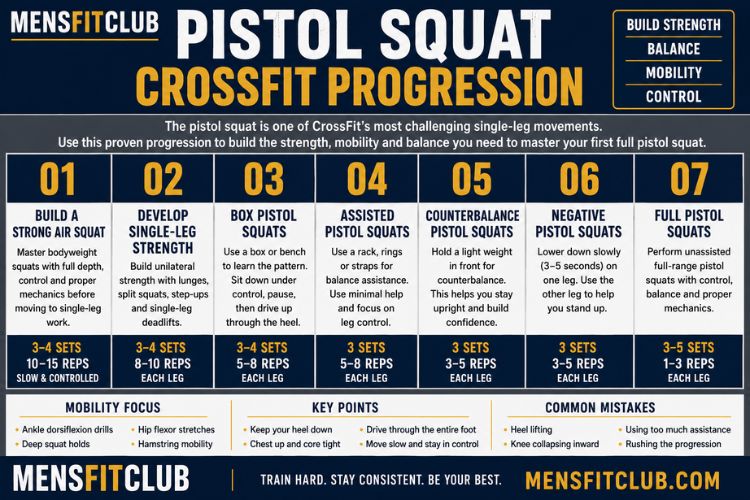
Pistol Squat CrossFit Progression From Beginner to Advanced
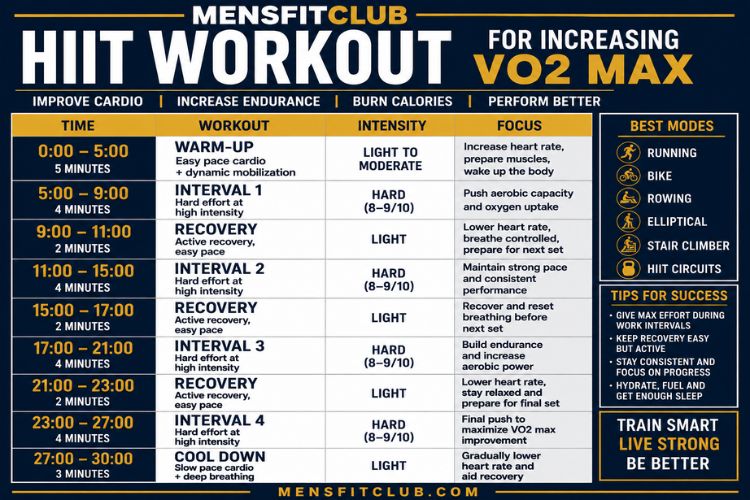
VO2 Max HIIT Workout: Improve Cardio and Endurance
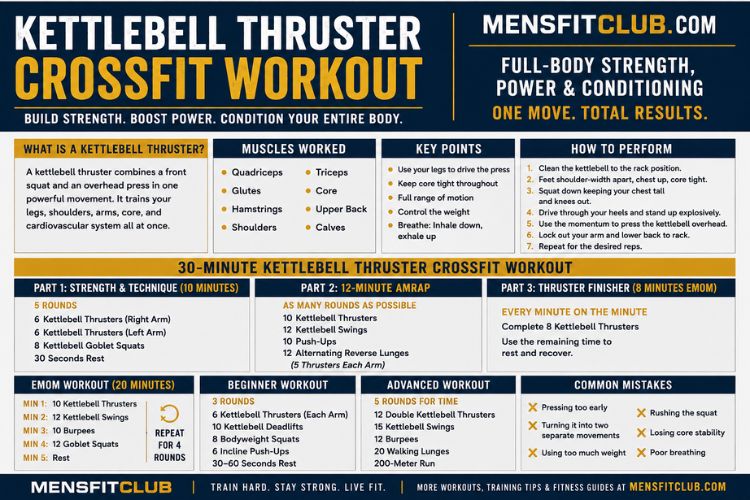
Kettlebell Thruster Workout for CrossFit Strength & Conditioning
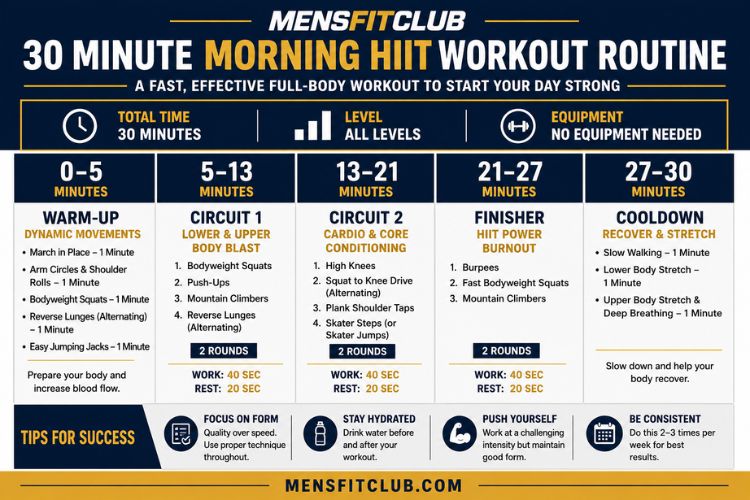
30 Minute Morning HIIT Routine to Start Your Day Strong
The Ultimate Guide to Dumbbell Rows for Bench Press Stability
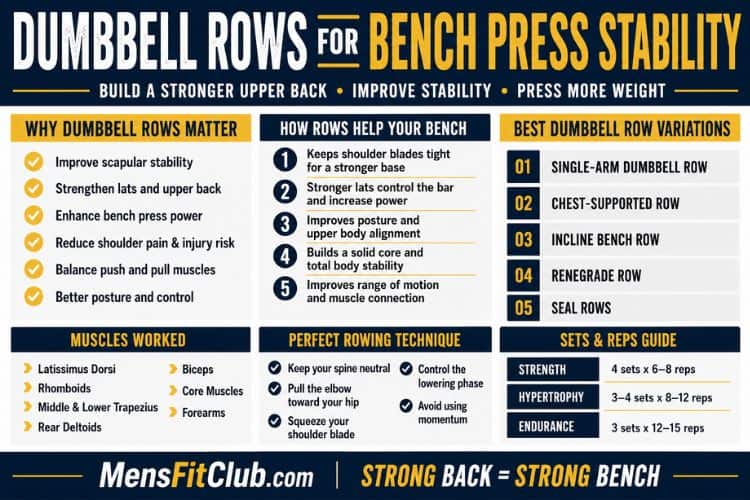
Dumbbell rows are one of the most effective accessory exercises for improving bench press stability, shoulder health, and upper-body strength. While many lifters focus exclusively on pressing movements, developing a strong upper back is equally important for creating a stable foundation on the bench. Incorporating dumbbell rows into your training routine can help increase bench press performance, improve posture, reduce shoulder discomfort, and create better control throughout every repetition. Whether you are a beginner or an experienced lifter, understanding how dumbbell rows contribute to bench press stability can help you build a stronger and safer pressing movement.
Why Dumbbell Rows Matters For Bench Press Stability
Bench press stability refers to the ability to maintain control and proper body positioning throughout the entire range of motion. Stability allows force to transfer efficiently from the chest, shoulders, and triceps into the barbell. Without a strong upper back and proper scapular control, energy leaks occur and limit strength development.
Good bench press stability helps:
- Increase pressing strength.
- Improve bar path consistency.
- Reduce shoulder stress.
- Enhance muscular balance.
- Prevent injuries.
- Build confidence with heavier weights.
Many lifters overlook rowing exercises and spend too much time pressing, creating muscular imbalances that eventually hinder progress.
How Dumbbell Rows Improve Bench Press Performance
Dumbbell rows primarily target the:
- Latissimus dorsi.
- Rhomboids.
- Trapezius.
- Rear deltoids.
- Biceps.
- Core stabilizers.
These muscles play a critical role during the bench press. The upper back provides a stable platform for pressing while the lats help control the descent and contribute to force production.
Better Scapular Stability
The shoulder blades should remain retracted and stable during the bench press. Weak upper back muscles often cause excessive movement, reducing power and increasing the risk of shoulder injuries.
Dumbbell rows strengthen the muscles responsible for maintaining scapular retraction, allowing lifters to stay tight throughout the movement.
Stronger Lats for Increased Power
The lats act as brakes during the lowering phase of the bench press. They help control the bar and generate additional force when pressing upward.
A stronger lat complex developed through dumbbell rows can improve:
- Explosive power.
- Bar control.
- Lockout strength.
- Overall pressing efficiency.
Improved Posture
Years of sitting and excessive pressing exercises can lead to rounded shoulders and poor posture. Dumbbell rows counteract these issues by strengthening the posterior chain and pulling muscles.
Better posture leads to:
- Improved shoulder positioning.
- Reduced injury risk.
- Enhanced pressing mechanics.
- Greater range of motion.
Benefits of Dumbbell Rows for Bench Press Stability
Correcting Muscle Imbalances
Many gym enthusiasts perform more pushing exercises than pulling movements. This imbalance can create instability and shoulder pain over time.
Adding dumbbell rows helps restore balance between:
- Chest and upper back.
- Front and rear deltoids.
- Push and pull strength.
Increased Shoulder Health
Healthy shoulders are essential for long-term bench press progress. Dumbbell rows strengthen the rotator cuff indirectly while improving joint stability.
Benefits include:
- Reduced shoulder discomfort.
- Better mobility.
- Increased joint integrity.
- Lower injury risk.
Enhanced Core Strength
Single-arm dumbbell rows require significant core engagement to prevent rotation and maintain posture. A stronger core contributes to improved bench press stability by providing a solid base during heavy lifts.
Greater Mind-Muscle Connection
Dumbbell rows help lifters develop awareness of their lats and upper back muscles. Learning to engage these muscles carries over directly to the bench press setup and execution.
Muscles Worked During Dumbbell Rows
Latissimus Dorsi
The lats are the largest muscles involved in the rowing movement and play a major role in bench press stability.
Rhomboids
These muscles help retract the shoulder blades and maintain upper back tightness.
Middle and Lower Trapezius
The traps contribute to shoulder stability and proper posture.
Rear Deltoids
Rear delts balance the anterior shoulder muscles and reduce stress on the shoulder joint.
Biceps
Although secondary movers, the biceps assist during the pulling motion.
Core Muscles
The abdominals and obliques stabilize the torso during unilateral rows.
Best Dumbbell Row Variations for Bench Press Stability
Single-Arm Dumbbell Row
The classic one-arm row is one of the best exercises for developing lat strength and upper back stability.
How to Perform
- Place one knee and hand on a bench.
- Hold the dumbbell with the opposite hand.
- Pull the weight toward your hip.
- Squeeze the shoulder blade.
- Lower slowly under control.
Recommended Sets and Reps
- 3–4 sets.
- 8–12 repetitions.
Chest-Supported Dumbbell Row
This variation eliminates momentum and focuses entirely on upper back activation.
Benefits
- Reduces lower back stress.
- Improves strict form.
- Enhances muscle isolation.
- Builds balanced strength.
Sets and Reps
- 3–5 sets.
- 10–15 reps.
Incline Bench Dumbbell Row
Using an incline bench helps target the rhomboids and middle traps.
Advantages
- Promotes scapular retraction.
- Supports posture.
- Minimizes cheating.
Renegade Rows
Renegade rows combine upper back strength with core stability.
Benefits
- Strengthens anti-rotation muscles.
- Improves shoulder stability.
- Develops total-body coordination.
Recommended Range
- 3 sets.
- 8–10 reps per side.
Seal Rows
Seal rows remove momentum and maximize upper back engagement.
Why They Help Bench Press Stability
Seal rows reinforce:
- Scapular control.
- Upper back strength.
- Postural endurance.
Proper Technique for Maximum Results
Keep the Spine Neutral
Avoid excessive rounding or arching of the back. Maintain a natural spinal position throughout the exercise.
Pull Toward the Hip
Instead of pulling straight upward, drive the elbow toward the hip to maximize lat activation.
Control the Eccentric Phase
Lower the dumbbell slowly to increase time under tension and improve muscular development.
Avoid Using Momentum
Swinging the weight reduces effectiveness and places unnecessary stress on the lower back.
Focus on Scapular Retraction
Actively squeeze the shoulder blades together at the top of each repetition.
Sample Dumbbell Row Workout for Bench Press Stability
Workout A
Single-Arm Dumbbell Rows
4 sets × 10 reps
Chest-Supported Rows
3 sets × 12 reps
Face Pulls
3 sets × 15 reps
Rear Delt Flyes
3 sets × 15 reps
Planks
3 rounds × 45 seconds
This workout strengthens the upper back while improving shoulder health and core stability.
Bench Press Accessory Program Using Dumbbell Rows
Day 1: Heavy Bench Press
- Bench Press: 5 sets × 5 reps.
- Single-Arm Dumbbell Rows: 4 sets × 10 reps.
- Pull-Ups: 3 sets × 8 reps.
- Face Pulls: 3 sets × 15 reps.
2: Volume Bench Session
- Bench Press: 4 sets × 8 reps.
- Chest-Supported Dumbbell Rows: 4 sets × 12 reps.
- Rear Delt Flyes: 3 sets × 15 reps.
- Planks: 3 sets × 60 seconds.
3: Stability and Recovery
- Incline Dumbbell Rows: 3 sets × 15 reps.
- Band Pull-Aparts: 3 sets × 20 reps.
- Renegade Rows: 3 sets × 10 reps.
- Farmer Carries: 3 rounds.
Common Dumbbell Rows For Bench Press Mistakes to Avoid
Using Excessive Weight
Heavy dumbbells often lead to poor form and momentum. Choose a weight that allows controlled repetitions.
Neglecting the Full Range of Motion
Partial reps limit muscle activation and reduce overall benefits.
Rounding the Shoulders
Maintaining proper posture ensures maximum effectiveness and protects the spine.
Ignoring the Eccentric Phase
Slow lowering increases muscle tension and improves strength gains.
Performing Too Much Pressing
Balancing push and pull exercises is essential for shoulder health and long-term bench press success.
How Often Should You Perform Dumbbell Rows For Bench Press?
For most lifters, training rows two to three times per week is ideal.
Beginners Dumbbell Rows For Bench Press
- Two sessions weekly.
- 3 sets of 10–12 reps.
Intermediate Lifters Dumbbell Rows For Bench Press
- Two to three sessions.
- 4 sets of 8–12 reps.
Advanced Lifters Dumbbell Rows For Bench Press
- Three weekly sessions.
- Multiple row variations.
- Higher training volume.
Progressive Overload Strategies
To continually improve bench press stability, apply progressive overload to your rowing exercises.
Methods include:
Increasing Weight
Gradually add resistance while maintaining proper form.
Adding Repetitions
Increase reps before moving to heavier dumbbells.
Increasing Sets
Additional volume stimulates further muscle growth.
Slowing Tempo
A slower eccentric phase increases time under tension.
Shortening Rest Periods
Reducing rest intervals can improve muscular endurance.
Dumbbell Rows For Bench Press Versus Barbell Rows
Both exercises are effective, but dumbbell rows offer unique advantages for bench press stability.
Dumbbell Rows
- Greater range of motion.
- Improved unilateral strength.
- Better muscle balance.
- Reduced spinal stress.
Barbell Rows
- Higher loading potential.
- Greater total-body involvement.
- Excellent strength development.
Combining both variations can maximize upper back development.
Additional Exercises That Complement Dumbbell Rows For Bench Press
Pull-Ups
Build lat strength and improve shoulder stability.
Face Pulls
Strengthen rear delts and rotator cuff muscles.
Band Pull-Aparts
Enhance posture and upper back endurance.
Rear Delt Flyes
Balance pressing muscles and support shoulder health.
Farmer Carries
Develop grip strength and total-body stability.
Recovery Dumbbell Rows For Bench Press Tips for Better Performance
Prioritize Sleep
Aim for seven to nine hours each night to maximize recovery and muscle growth.
Consume Adequate Protein
Protein supports muscle repair and development. Most active individuals benefit from consuming approximately 0.7–1 gram of protein per pound of body weight.
Stay Hydrated
Proper hydration improves training performance and recovery.
Stretch Regularly
Mobility work helps maintain healthy shoulders and improve movement quality.
Manage Training Volume
Allow enough recovery time between sessions to avoid overtraining.
Who Should Include Dumbbell Rows For Bench Press?
Dumbbell rows are beneficial for:
- Powerlifters.
- Bodybuilders.
- Athletes.
- Men over 40.
- Beginners.
- Advanced lifters.
- Anyone seeking better bench press performance.
Because they strengthen the muscles responsible for stability and posture, dumbbell rows are one of the most valuable accessory exercises for long-term upper-body development.
Dumbbell rows for bench press stability are one of the most underrated yet effective exercises for building a stronger upper body. While many lifters focus solely on chest and pressing movements, a powerful upper back provides the foundation necessary for maximizing strength and preventing injuries. By consistently incorporating single-arm rows, chest-supported rows, incline rows, and other variations into your routine, you can improve scapular control, increase lat strength, enhance posture, and ultimately achieve better bench press performance. Building a balanced physique with strong pulling muscles not only boosts your numbers on the bench but also promotes healthier shoulders and sustainable long-term progress in the gym.
Building stronger dumbbell rows can dramatically improve your bench press stability and overall upper-body strength. To maximize your results, combine rowing movements with smart pressing progressions and accessory work. Check out these helpful guides from MensFitClub: Progressive Overload Bench Press Build Strength and Muscle, Top Chest Workouts for Men: Maximizing Muscle Growth, Flat Bench Workouts: The Ultimate Guide, 5-Day Powerlifting Workout Routine for Strength and Muscle Building, The Top Strength Training Exercises. By combining dumbbell rows with heavy bench press work and balanced strength training, you can develop a stronger upper back, improve shoulder stability, and create a more powerful and efficient bench press. These related MensFitClub articles provide additional strategies for increasing strength, building muscle, and preventing common lifting imbalances.


Most Recommended

Subscribe to our Newsletter
Stay up to date on the latest men’s health, fitness and lifestyle trends and tips.
About Us
Men’s Fit Club was started with the goal of empowering men to get the most out of their lives. This meant going beyond exercise and diet tips to really address the broad range of issues that men face on a daily basis – topics like recreation, finding love, sexual health and even sound fashion advice.
Quick Links
© COPYRIGHT MEN'S FIT CLUB 2026. All Rights Reserved