

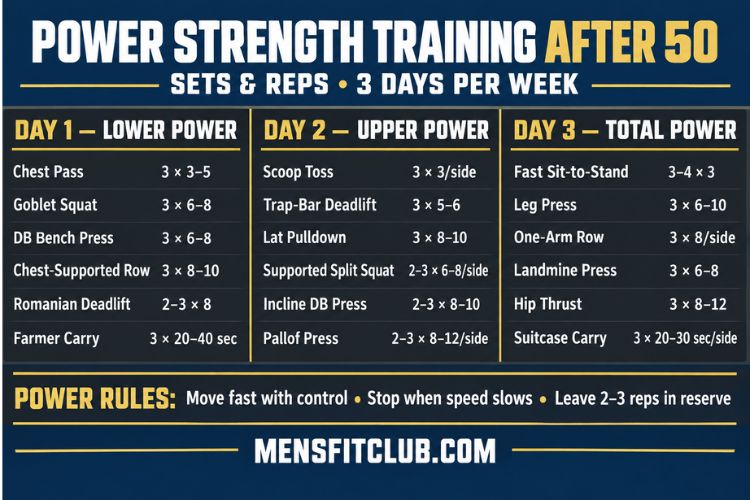
Power Strength Training After 50 Sets and Reps
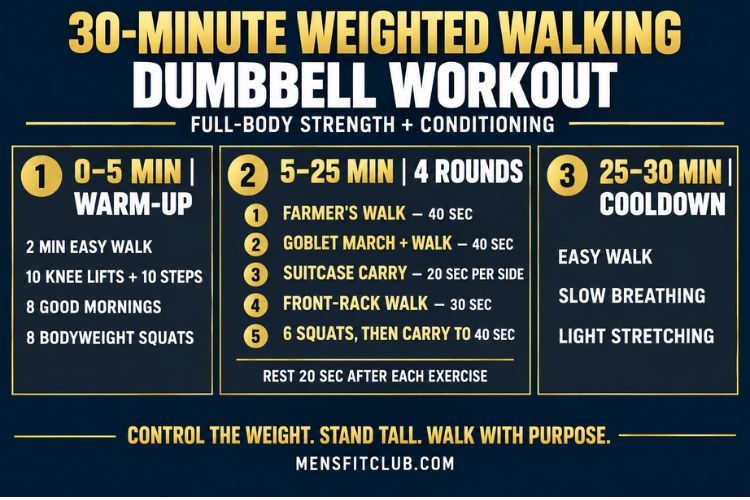
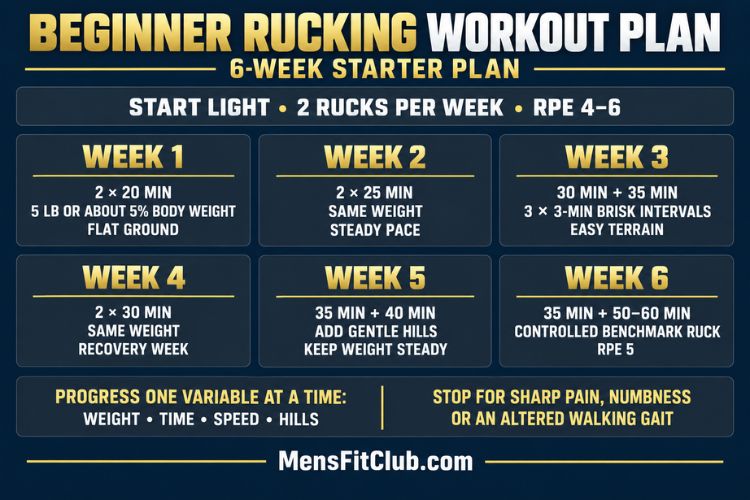
Beginner Rucking Workout Plan for Strength and Fat Loss
Best Workout Program A Comprehensive Guide

Embarking on a fitness journey is a commendable pursuit. However, merely going to the gym and exercising randomly won’t necessarily yield the results one desires. The key is to follow a structured workout program tailored to individual goals. Here, we’ll provide insights on creating a workout regimen that meets specific objectives and needs.
A Comprehensive Guide to Creating an Effective Workout Program
Understanding Your Goals
Before diving into any exercise routine, it’s crucial to identify your goals. Are you looking to:
Lose Weight: This generally requires a combination of cardiovascular exercise and resistance training, accompanied by a caloric deficit.
Gain Muscle Mass: Here, resistance training with progressively heavier weights is essential, along with a caloric surplus and adequate protein.
Increase Endurance: Cardio-intensive workouts like running, cycling, and swimming are perfect.
Improve Flexibility: Incorporate stretching exercises, yoga, or pilates.
Once your objectives are clear, you can build a workout program to suit those needs.
Key Elements of a Workout Program
Regardless of your goal, a well-rounded workout program should comprise:
Warm-up: It prepares your body for the upcoming exercises and reduces the risk of injury. Aim for 5-10 minutes of light aerobic exercise.
Resistance Training: Lifting weights, bodyweight exercises, or resistance bands to target different muscle groups.
Cardiovascular Exercise: Activities that increase heart rate, such as jogging, cycling, or jumping rope.
Flexibility and Mobility Work: Stretching and range-of-motion exercises to maintain joint health and flexibility.
Cool Down: 5-10 minutes of light stretching and relaxation to help the body recover.
Structuring Your Week: Workout Program
A balanced program incorporates various exercises throughout the week. Here’s an example of a weekly workout split:
Monday: Upper body resistance training (e.g., chest, back, shoulders, and arms) Tuesday: Cardio and core workout Wednesday: Lower body resistance training (e.g., quads, hamstrings, glutes, and calves) Thursday: Rest or active recovery (like walking or light yoga) Friday: Cardio intervals (alternating high intensity and low intensity) Saturday: Full-body workout or sport-specific training Sunday: Rest or flexibility-focused session (like a yoga class)
It’s essential to adjust the split based on individual preferences and recovery rates.
Periodization: The Key to Progress
Periodization involves structuring your workout program in phases, each with a specific focus. This method ensures continuous progress and reduces the risk of hitting plateaus. A basic periodization model might look like:
- Endurance Phase (4-6 weeks): Focus on higher reps (12-15 reps) with lighter weights.
- Hypertrophy Phase (4-6 weeks): Target muscle growth with moderate weights at 8-12 reps.
- Strength Phase (4-6 weeks): Concentrate on lifting heavy weights with lower reps (4-6 reps).
- Power Phase (2-4 weeks): Emphasize explosive movements and plyometrics.
- Recovery Phase (1-2 weeks): Lighter exercises and focus on flexibility and mobility.
Listening to Your Body: Workout Program
No matter how meticulously you plan, it’s vital to listen to your body. If you’re feeling unusually fatigued, consider taking an extra rest day. If an exercise causes pain (beyond the usual muscle fatigue), it’s essential to reevaluate your form or consider alternative exercises.
Nutrition and Recovery
Your workout program doesn’t end once you leave the gym. Proper nutrition fuels workouts and aids in recovery. Ensure you’re consuming a balance of proteins, carbohydrates, and fats, staying hydrated, and getting ample sleep.
Art And a Science
Crafting an effective workout program is both an art and a science. While the above guidelines offer a starting point, personalizing the routine to fit individual needs and consulting fitness professionals can further optimize results. Remember, consistency is key. With dedication and a well-structured regimen, achieving your fitness goals is entirely within reach.


Most Recommended

Subscribe to our Newsletter
Stay up to date on the latest men’s health, fitness and lifestyle trends and tips.
About Us
Men’s Fit Club was started with the goal of empowering men to get the most out of their lives. This meant going beyond exercise and diet tips to really address the broad range of issues that men face on a daily basis – topics like recreation, finding love, sexual health and even sound fashion advice.
Quick Links
© COPYRIGHT MEN'S FIT CLUB 2026. All Rights Reserved