
15 Loaded Carry Workouts for Full-Body Strength
High-Protein Burger Bowl Recipe for Muscle-Building Meals
Minimum Effective Dose Strength Training Guide

The Best Post-Workout Skincare Routine for Men Complete Guide
High-Protein Burger Bowl Recipe for Muscle-Building Meals
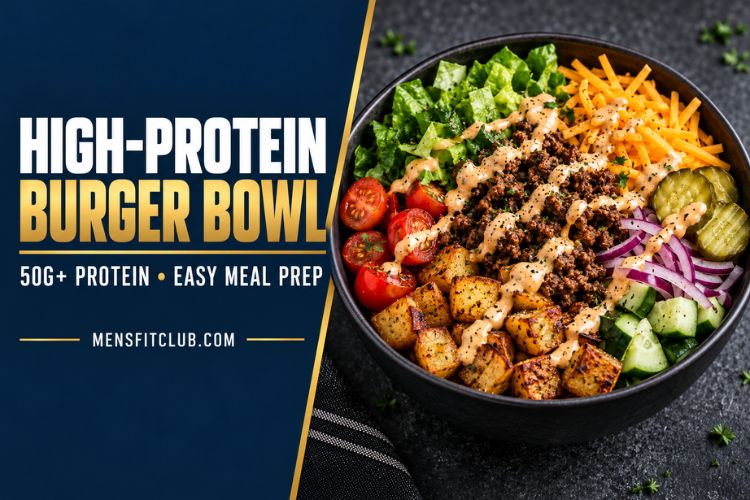
A high-protein burger bowl delivers everything people love about a classic burger—the seasoned beef, crisp lettuce, juicy tomato, pickles, cheese, and creamy sauce—without requiring a bun or a trip through the drive-through. It is quick enough for a weeknight dinner, flexible enough for meal prep, and easy to adjust for muscle gain, fat loss, or simple healthy eating. Instead of treating a burger as an occasional indulgence, this recipe turns the familiar flavors into a balanced meal built around quality protein, vegetables, and a satisfying portion of carbohydrates.
This high-protein burger bowl recipe uses lean ground beef, roasted potatoes, fresh vegetables, reduced-fat cheese, and a lighter homemade burger sauce. One generous serving provides approximately 50 grams of protein, depending on the exact ingredients and brands used. It also offers enough volume to leave you satisfied without the heavy feeling that can follow a large restaurant burger and fries. Better still, every part of the bowl can be prepared in advance and assembled in minutes.
Whether you need a post-workout dinner, a high-protein lunch for the office, or a family meal that everyone can customize, this burger bowl is a reliable option. Below you will find the complete recipe, ingredient substitutions, meal-prep directions, serving ideas, and practical ways to adapt it to your nutrition goals.
Why Make a High-Protein Burger Bowl?
A burger bowl is not simply a hamburger without a bun. It is a full meal that uses burger-inspired ingredients in proportions that can better support fitness and nutrition goals. Lean beef supplies the main protein, potatoes or another carbohydrate provide training fuel, and a large vegetable base adds freshness, texture, and volume. The sauce and toppings provide the recognizable burger flavor that makes the meal enjoyable rather than restrictive.
Protein is especially important for active men because it supplies amino acids used to maintain and repair muscle tissue. Resistance training provides the stimulus for adaptation, while adequate daily protein and total calories help support recovery. A protein-rich meal can also be filling, which may make it easier to manage hunger between meals. The burger bowl format makes a substantial serving of protein feel satisfying without relying on multiple burger patties, oversized buns, or large portions of fries.
The recipe is also useful because it is easy to measure. You can weigh the cooked beef, control the serving of potatoes, and choose exactly how much cheese and sauce you add. That makes it more predictable than restaurant food, where portions and cooking fats may be difficult to estimate. You do not need to count calories to enjoy this bowl, but the clear ingredient structure helps if you choose to track your intake.
High-Protein Burger Bowl Ingredients
This recipe makes four substantial servings. Choose lean beef that fits your preferences and budget. A 90% to 93% lean ground beef works well because it remains flavorful while keeping the total fat moderate.
For the Seasoned Beef
- 2 pounds lean ground beef, preferably 90% to 93% lean
- 1 teaspoon kosher salt
- 1 teaspoon garlic powder
- 1 teaspoon onion powder
- 1 teaspoon smoked paprika
- 1/2 teaspoon ground black pepper
- 1 tablespoon Worcestershire sauce
- 1 teaspoon yellow mustard
- 1 small yellow onion, finely diced
For the Crispy Potatoes
- 1 1/2 pounds baby potatoes or Yukon Gold potatoes, cut into small cubes
- 1 tablespoon olive oil
- 1 teaspoon garlic powder
- 1/2 teaspoon smoked paprika
- 1/2 teaspoon kosher salt
- Black pepper to taste
For the Bowl and Toppings
- 8 cups chopped romaine lettuce
- 2 cups cherry tomatoes, halved
- 1 cup sliced dill pickles
- 1 cup diced cucumber
- 1/2 small red onion, thinly sliced
- 1 cup reduced-fat shredded cheddar cheese
- Optional sliced jalapeños, chopped scallions, or sesame seeds
For the High-Protein Burger Sauce
- 3/4 cup plain nonfat Greek yogurt
- 2 tablespoons ketchup
- 1 tablespoon yellow mustard
- 1 tablespoon finely chopped dill pickles or relish
- 1 teaspoon pickle juice
- 1/2 teaspoon garlic powder
- 1/2 teaspoon onion powder
- Pinch of smoked paprika
- Salt and black pepper to taste
How to Make a High-Protein Burger Bowl
Step 1: Roast the Potatoes
Preheat the oven to 425°F. Place the diced potatoes on a large sheet pan, add the olive oil, garlic powder, smoked paprika, salt, and pepper, and toss until evenly coated. Spread the potatoes into a single layer with a little space between the pieces. Crowding traps steam and makes it harder to develop crisp edges.
Roast for 25 to 35 minutes, turning once about halfway through. The exact time will depend on the size of the cubes and the type of pan. The potatoes are ready when they are golden on the outside and tender in the center. An air fryer can also be used at approximately 400°F; cook in batches if necessary so the potatoes are not overcrowded.
Step 2: Mix the Burger Sauce
While the potatoes cook, add the Greek yogurt, ketchup, mustard, chopped pickles, pickle juice, garlic powder, onion powder, and paprika to a small bowl. Stir until smooth, then taste and adjust the salt, acidity, or mustard. Refrigerate the sauce until serving. Giving it 15 to 20 minutes to rest allows the flavors to blend.
Greek yogurt lightens the sauce while adding extra protein and a creamy texture. If the sauce becomes too thick, stir in another teaspoon of pickle juice or water. If you prefer a sweeter burger sauce, add a small amount of relish. For more heat, mix in hot sauce or finely chopped jalapeño.
Step 3: Cook the Lean Ground Beef
Heat a large skillet over medium-high heat. Add the diced yellow onion and cook for two to three minutes. If the pan is very dry, use a light spray of cooking oil. Add the ground beef and break it into small pieces with a wooden spoon or spatula.
Season the meat with salt, garlic powder, onion powder, smoked paprika, and black pepper. Cook until browned and no pink remains, stirring occasionally. Add the Worcestershire sauce and mustard during the final minute, then stir well. Ground beef should reach a safe internal temperature of 160°F. Drain excess fat if necessary, although lean beef should produce relatively little.
Avoid stirring the meat constantly. Letting it remain in contact with the hot pan for short periods helps create browned edges and deeper flavor. The goal is juicy crumbles that taste like a well-seared burger, not pale, steamed meat.
Step 4: Assemble the Bowls
Divide the chopped romaine among four wide bowls. Add equal portions of tomatoes, cucumber, pickles, and red onion. Top each bowl with roasted potatoes and approximately one-fourth of the cooked beef. Sprinkle with cheddar cheese and finish with the high-protein burger sauce.
Serve immediately if you want the contrast of hot beef and potatoes against cold, crisp vegetables. For a fully warm bowl, replace the lettuce with sautéed cabbage, roasted broccoli, or green beans. Keep extra pickles and sauce at the table so everyone can adjust the tang and creaminess.
Estimated Nutrition Per Serving
One serving made with 93% lean ground beef, reduced-fat cheddar, nonfat Greek yogurt, potatoes, vegetables, and the portions listed above provides approximately 650 to 750 calories, 50 to 60 grams of protein, 45 to 55 grams of carbohydrates, and 25 to 32 grams of fat. Nutrition will vary with the leanness of the beef, cheese brand, potato portion, cooking oil, and amount of sauce used.
These figures should be treated as an estimate rather than a guarantee. For an exact calculation, enter the specific brands and measured amounts you use into a trusted nutrition tracker. People with medically prescribed dietary restrictions should adapt the ingredients with guidance from a qualified healthcare professional.
How This Burger Bowl Supports Muscle Building
No single recipe builds muscle by itself. Muscle gain comes from consistent resistance training, progressive overload, adequate recovery, and a diet that provides enough protein and total energy. This high-protein burger bowl can fit that larger plan because it combines a substantial protein serving with carbohydrates and micronutrient-rich vegetables.
Beef is a complete protein, meaning it provides all nine essential amino acids. It also contains nutrients such as iron, zinc, and vitamin B12. Potatoes supply carbohydrates that help replenish glycogen used during demanding training sessions, while also providing potassium and vitamin C. Cheese and Greek yogurt add more protein and calcium, and the vegetables make the meal more colorful and filling.
For muscle gain, you can increase the carbohydrate and calorie content by adding more potatoes, rice, avocado, or an extra sprinkle of cheese. The best portion is the one that fits your full day of eating. Someone with high energy needs may require a much larger meal than a smaller or less active person.
A Practical Post-Workout Meal
This bowl works well after strength training because it contains both protein and carbohydrates in a complete meal. You do not need to eat it the moment your final set ends. What matters most is meeting your overall daily nutrition needs, but having a planned meal available after training can prevent random snacking or an unplanned takeout order.
If you train late and prefer a lighter dinner, reduce the potatoes and cheese while keeping the lean beef and vegetables. If you train earlier and need more energy for the rest of the day, serve the bowl with extra potatoes, cooked rice, or fruit.
How to Make a Lower-Calorie Burger Bowl
For a calorie-conscious version, use 96% lean ground beef, lean ground turkey, or ground chicken. Reduce the cheese to two tablespoons per bowl, measure the sauce, and increase the lettuce, tomatoes, cucumber, or cabbage. You can replace some or all of the potatoes with roasted cauliflower, green beans, zucchini, or broccoli.
Do not remove every enjoyable ingredient in an attempt to make the bowl as light as possible. A meal that is technically low in calories but leaves you unsatisfied may lead to more eating later. Keep the components that matter most to you. For example, you might retain a moderate portion of crispy potatoes and cheese while using leaner meat and extra vegetables.
How to Increase the Calories for Muscle Gain
If your goal is to gain muscle and you struggle to eat enough, use 85% or 90% lean beef, increase the potatoes, and add avocado or a larger cheese portion. You can also serve the bowl over rice or include a whole-grain bun on the side. A drizzle of olive oil adds calories efficiently, although it does not add protein.
Another option is to add a second protein source. Black beans complement the burger seasoning and contribute carbohydrates and fiber, while an egg creates a steakhouse-style bowl. Adjust the total serving based on appetite, training volume, and daily calorie needs rather than assuming more is always better.
High-Protein Burger Bowl Variations
Turkey Burger Bowl
Replace the beef with lean ground turkey. Because very lean turkey can taste dry, cook the onion first, avoid overcooking the meat, and keep the Worcestershire sauce and mustard in the seasoning mix. Check that ground turkey reaches 165°F. Pepper jack cheese and jalapeños work particularly well with this version.
Big Mac-Inspired Burger Bowl
Use shredded iceberg lettuce, finely diced onion, pickles, lean beef, and reduced-fat cheddar. Add a small pinch of sesame seeds and make the sauce with Greek yogurt, ketchup, mustard, relish, pickle juice, and paprika. This creates the familiar fast-food flavor profile in a more balanced homemade meal.
Low-Carb Burger Bowl
Skip the potatoes and use a base of chopped lettuce, sautéed cabbage, or cauliflower rice. Add avocado or a modest portion of full-fat cheese if you want more richness. Remember that low carbohydrate is a preference, not a requirement for fat loss; overall energy intake and consistency remain important.
Meal Prep and Storage Tips
The easiest way to meal prep burger bowls is to store the hot, cold, and wet components separately. Place the cooked beef and roasted potatoes in one container, the lettuce and raw vegetables in another, and the burger sauce in a small sealed cup. This prevents the lettuce from wilting and keeps the potatoes from soaking up the dressing.
Refrigerate cooked ground beef promptly in shallow, airtight containers and use it within three to four days. Reheat the beef and potatoes until hot, then add them to the cold vegetables. The potatoes regain better texture in an oven or air fryer, but a microwave is convenient. Do not repeatedly reheat the entire batch; warm only the portion you plan to eat.
The sauce can usually be prepared several days ahead, subject to the freshness of the yogurt and other ingredients. Stir it before serving because a little liquid may separate. Chop lettuce closer to the day it will be used, or wash and dry it thoroughly before storing it with a paper towel to absorb excess moisture.
Cooked seasoned beef can also be frozen in individual portions. Cool it, pack it into freezer-safe containers, label it, and freeze it promptly. Thaw overnight in the refrigerator before reheating. Fresh lettuce, cucumber, and yogurt sauce do not freeze well, so prepare those separately.
Frequently Asked Questions
How much protein is in a burger bowl?
This recipe provides roughly 50 to 60 grams of protein per serving when divided into four bowls. The final amount depends on the beef, cheese, yogurt, and serving size. Use nutrition labels and weighed portions if you require a precise figure.
Are burger bowls good for weight loss?
They can be. A burger bowl makes it easy to emphasize lean protein and vegetables while controlling calorie-dense toppings. Weight loss still depends on maintaining an appropriate calorie deficit over time. Measure cheese, oil, and sauce if those ingredients tend to turn a moderate bowl into a very high-calorie meal.
Can I make a burger bowl without potatoes?
Yes. Replace them with rice, sweet potatoes, cauliflower rice, roasted vegetables, beans, or extra salad. You can also eat the seasoned beef and toppings over shredded cabbage for a crisp, lower-carbohydrate meal.
What is the best meat for a high-protein burger bowl?
Lean ground beef offers the most traditional burger flavor and an excellent protein contribution. Ground turkey, chicken, bison, or a suitable meat alternative can also work. Choose based on taste, cost, dietary needs, and the fat content that fits your overall eating plan.
Can I eat a burger bowl cold?
Yes, provided the cooked ingredients were cooled and stored safely. Many people prefer reheated beef with cold vegetables, but a fully chilled bowl can work for lunch. Keep the sauce separate until serving and follow appropriate food-storage practices.
Is the burger sauce really high in protein?
Greek yogurt contributes more protein than a sauce made entirely from mayonnaise, although the amount per serving is modest. Its main benefit is delivering a creamy texture and tangy flavor with a favorable nutrition profile. The beef remains the primary protein source.
The High Protein Burger Bowl
A high-protein burger bowl is proof that practical fitness meals do not have to taste plain or feel repetitive. It combines the comfort of a cheeseburger with the structure of a balanced bowl: seasoned lean beef, crispy potatoes, crunchy vegetables, sharp cheddar, pickles, and a creamy Greek yogurt sauce. The result is filling, customizable, and suitable for both busy weeknights and planned meal prep.
Start with the recipe as written, then adjust the portions to match your goal. Add potatoes or rice when you need more training fuel, use leaner meat and more vegetables when you want a lighter meal, or change the toppings to keep the recipe interesting. Consistency is easier when meals are enjoyable, and this burger bowl delivers familiar flavor in a format that works for an active lifestyle.
Build a complete eating strategy around this burger bowl with MensFitClub guide to Healthy Muscle Building Meals For Men, then organize your daily protein with these High Protein Meal Plans For Muscle Gain. If you prefer fewer carbohydrates, explore the High Protein Low Carb Meal Plan, or keep grocery costs under control with these Cheap Protein Sources. You can also time this bowl around training by reviewing the Best Post Workout Foods for recovery-focused meal ideas.


Most Recommended

Subscribe to our Newsletter
Stay up to date on the latest men’s health, fitness and lifestyle trends and tips.
About Us
Men’s Fit Club was started with the goal of empowering men to get the most out of their lives. This meant going beyond exercise and diet tips to really address the broad range of issues that men face on a daily basis – topics like recreation, finding love, sexual health and even sound fashion advice.
Quick Links
© COPYRIGHT MEN'S FIT CLUB 2026. All Rights Reserved