

15 Loaded Carry Workouts for Full-Body Strength

High-Protein Burger Bowl Recipe for Muscle-Building Meals
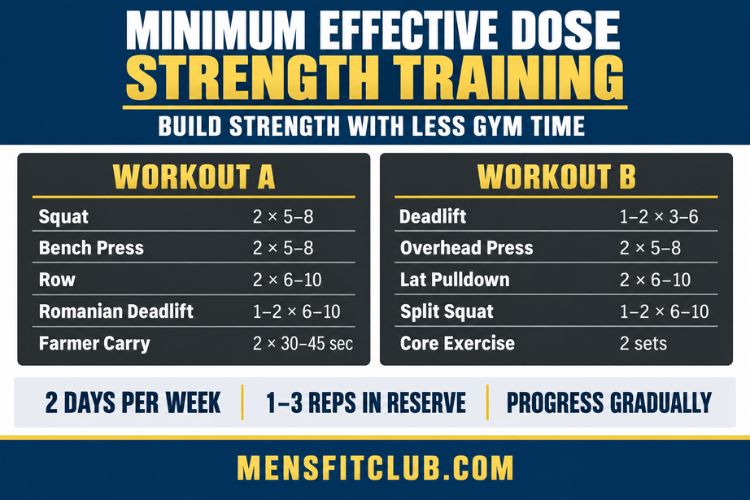
Minimum Effective Dose Strength Training Guide

The Best Post-Workout Skincare Routine for Men Complete Guide
The Best Post-Workout Skincare Routine for Men Complete Guide
A demanding workout can improve your strength, cardiovascular fitness, mood, and overall health. However, the combination of sweat, excess oil, heat, friction, and shared gym equipment can create problems for your skin. Without a proper post-workout skincare routine, men may experience clogged pores, facial acne, body breakouts, irritation, dryness, razor bumps, and unpleasant body odor.
Sweating itself is not necessarily bad for your skin. It is a normal process that helps regulate body temperature. Problems often develop when sweat remains on the skin and mixes with oil, dead skin cells, sunscreen, grooming products, and environmental debris. Tight workout clothing, repeated friction, and touching your face with unwashed hands can make matters worse.
The good news is that an effective post-workout skincare routine for men does not need to be complicated. Cleansing, moisturizing, changing into clean clothes, and protecting the skin from the sun can make a significant difference. The key is to use gentle products consistently instead of attacking the skin with harsh scrubs and multiple active ingredients.
This guide explains exactly what men should do after a workout to keep their face and body clean, comfortable, and healthy.
Why Men Need a Post-Workout Skincare Routine
Exercise increases body temperature and stimulates sweat production. As sweat moves across the skin, it can combine with sebum, dead skin cells, sunscreen, and dirt. If this mixture remains on the skin for too long, it may contribute to clogged pores and irritation.
Men who naturally have oily or acne-prone skin may notice breakouts around the forehead, nose, chin, chest, shoulders, and back. These areas either contain many oil glands or stay covered by sweaty clothing during exercise. Hats, helmets, headbands, backpack straps, and tight shirts can also trap heat and moisture against the skin.
Friction adds another problem. When sweaty skin repeatedly rubs against clothing or exercise equipment, it can become red, tender, or inflamed. This combination of heat, pressure, and friction may contribute to acne mechanica, a form of breakout commonly seen in athletes and active people.
A sensible skincare routine removes sweat and surface buildup without damaging the skin barrier. It also replaces lost moisture and addresses individual concerns such as body acne, sensitive skin, or razor bumps.
What Happens to Your Skin During Exercise?
Exercise affects the skin in several ways. Blood flow increases, body temperature rises, and sweat glands become more active. These responses help your body manage the physical demands of training.
Sweat is mostly water, but it also contains salts and other substances. Once it evaporates, salt can remain on the skin and create a dry, tight, or itchy feeling. This is especially noticeable in men with eczema, sensitive skin, or an already weakened moisture barrier.
Exercise can also increase facial redness temporarily. This is usually caused by greater blood flow and heat. The redness should settle as the body cools, but extremely hot showers, rough towels, or aggressive exfoliation can prolong it.
The gym environment introduces additional variables. Benches, dumbbells, handles, mats, and locker-room surfaces are touched by many people. Touching your face during a workout can transfer oil and debris from your hands to your skin. This is one reason good workout hygiene matters alongside skincare.
The Ideal Post-Workout Skincare Routine for Men
The best routine is simple enough to follow after every training session. Most men only need a gentle cleanser, an appropriate moisturizer, clean clothing, and sunscreen when going outdoors. Treatments for acne or irritation can be added when necessary.
Step 1: Cool Down and Stop Touching Your Face
Begin your post-workout routine during the final minutes of your cool-down. Avoid wiping sweat away with your hands, shirt, or a towel that has touched gym equipment.
Use a clean personal towel and gently blot the skin. Do not aggressively rub your face. Rubbing can increase irritation, particularly when the skin is already hot and damp.
Wash or sanitize your hands before touching your face. This small habit can reduce the transfer of grime from weights, machines, mats, and door handles. If you use a phone during your workout, clean its screen regularly because it frequently comes into contact with your hands and face.
Give your body a few minutes to cool before stepping into the shower. This can reduce continued sweating immediately after you wash.
Step 2: Remove Sweaty Clothing Quickly
Do not remain in damp workout clothes longer than necessary. Sweaty shirts, compression garments, socks, and underwear hold moisture against the skin. This creates an uncomfortable environment in areas that already experience friction and limited airflow.
Change into clean, dry clothing after training, even if you cannot shower immediately. Pack a spare shirt, underwear, and socks in your gym bag. Breathable, properly fitting workout clothing may also reduce rubbing and moisture retention.
Wash workout clothes after each use. Allowing a sweat-soaked shirt to dry and wearing it again can return accumulated oil, odor, and residue to the skin.
Do not forget accessories. Headbands, caps, wrist wraps, helmet liners, lifting straps, and reusable towels also require regular cleaning.
Step 3: Cleanse Your Face Gently
Wash your face as soon as reasonably possible after your workout. Choose a mild facial cleanser that removes sweat, sunscreen, and excess oil without leaving the skin tight or irritated.
Use lukewarm water rather than very hot water. Hot water may increase dryness and discomfort, particularly after exercise. Massage the cleanser over the skin using your fingertips, then rinse thoroughly. There is no need to scrub forcefully or wash repeatedly.
A gentle gel or foaming cleanser may work well for oily skin. Men with dry or sensitive skin may prefer a fragrance-free cream or hydrating cleanser. If you regularly experience breakouts, look for products labeled oil-free or noncomedogenic, meaning they are formulated to be less likely to clog pores.
Avoid washing your face with harsh body soap. Traditional soaps can be too drying for facial skin and may weaken the skin barrier. A dedicated facial cleanser usually offers a better balance between removing buildup and preserving moisture.
Step 4: Shower After Your Workout
A post-workout shower removes sweat, oil, deodorant residue, and buildup from areas that a facial cleanse cannot address. Focus on the chest, shoulders, upper back, underarms, groin, feet, and any area covered by tight clothing or equipment.
Keep the shower warm or lukewarm instead of extremely hot. A long, steaming shower may feel relaxing after training, but it can remove protective oils and leave the skin dry or itchy.
Use a gentle body wash and clean the skin with your hands or a soft washcloth. Rough loofahs and aggressive body scrubs are usually unnecessary. They can hold moisture between uses and may create irritation if used too forcefully.
Rinse carefully so body wash, shampoo, and conditioner do not remain on the shoulders or back. Hair products can sometimes contribute to congestion when residue repeatedly sits on acne-prone areas.
Step 5: Consider an Acne-Fighting Body Wash
Men who experience frequent chest, shoulder, or back acne may benefit from a body wash containing salicylic acid or benzoyl peroxide.
Salicylic acid helps remove dead surface cells and clear material from pores. It may be a useful choice for oily skin, blackheads, and mild body congestion. Begin with occasional use to see how your skin responds.
Benzoyl peroxide is another common acne ingredient. It works against acne-associated bacteria and may be helpful for inflamed breakouts. Benzoyl peroxide can cause dryness and irritation, and it may bleach towels, shirts, and bedding. Rinse it thoroughly and use white towels if bleaching is a concern.
Do not start several strong treatments simultaneously. Introduce one product at a time and follow the label. If acne is painful, widespread, scarring, or unresponsive to over-the-counter care, consult a board-certified dermatologist.
Step 6: Pat the Skin Dry
Dry your face and body with a clean towel using a gentle patting motion. Vigorous rubbing can irritate warm post-workout skin and aggravate areas affected by chafing or acne.
Your gym towel should be washed after use. Do not store a damp towel in a closed gym bag for days. Moisture and limited airflow can cause unpleasant odors and make the towel unsuitable for your next session.
Have separate towels for the workout floor and the shower whenever possible. The towel used on a bench or machine should not be used on your face.
Step 7: Apply a Lightweight Moisturizer
Even oily skin needs moisture. Cleansing and showering remove sweat and buildup, but they can also reduce some of the skin’s natural oils. Applying moisturizer helps support the protective skin barrier and may reduce tightness, dryness, and irritation.
Apply moisturizer while the skin is slightly damp. This can help retain water within the outer layer of the skin. Choose a lightweight, noncomedogenic lotion or gel if you have oily or acne-prone skin. Men with dry skin may need a richer cream.
Helpful moisturizing ingredients include glycerin, hyaluronic acid, ceramides, and squalane. Ceramides support the skin barrier, while humectants such as glycerin and hyaluronic acid help attract water to the skin.
Fragrance-free products are generally worth considering if your skin becomes red, itchy, or irritated easily. A moisturizer should leave the skin comfortable, not greasy or burning.
Step 8: Reapply Sunscreen When Needed
If you leave the gym during daylight or exercise outdoors, finish your routine with sunscreen. Choose a broad-spectrum, water-resistant sunscreen with an SPF of at least 30. Broad-spectrum protection covers both UVA and UVB radiation.
Sunscreen applied before a workout can be reduced by sweating, wiping, or toweling. Reapplication is therefore important, especially after heavy sweating or showering. The American Academy of Dermatology recommends broad-spectrum, water-resistant SPF 30 or higher and advises reapplication after sweating or swimming. (American Academy of Dermatology)
Men with oily skin may prefer a fluid, gel, or matte sunscreen labeled noncomedogenic. Sensitive skin may tolerate a mineral formula containing zinc oxide or titanium dioxide more comfortably, although individual reactions vary.
Apply sunscreen to the face, ears, neck, scalp if exposed, and other uncovered areas. Sunscreen is not only a beach product. Regular protection helps reduce sunburn, premature skin aging, uneven pigmentation, and skin-cancer risk.
A Five-Minute Post-Workout Skincare Routine
A useful routine does not require a bathroom shelf filled with products. When time is limited, follow this five-minute system:
First, wash your hands and avoid touching your face. Second, remove sweaty clothes and take a quick lukewarm shower. Third, cleanse your face with a gentle cleanser. Fourth, pat the skin dry and apply a noncomedogenic moisturizer. Finally, apply broad-spectrum SPF 30 or higher if you will be outdoors.
Consistency matters more than complexity. A simple routine performed after every workout is more effective than an elaborate routine used only occasionally.
Post-Workout Skincare Routine Based on Skin Type
Different skin types respond differently to sweat, cleansing, and active ingredients. Adjusting your routine can prevent unnecessary irritation.
Routine for Oily or Acne-Prone Skin
Use a gentle foaming or gel cleanser after exercising. If regular cleansing is not enough, consider a salicylic acid cleanser a few times per week. Follow it with a lightweight, oil-free, noncomedogenic moisturizer.
Do not assume that stripping away all oil will clear acne. Excessive washing and harsh astringents may dry the surface while increasing irritation. Avoid picking or squeezing blemishes, as this can worsen inflammation and increase the likelihood of dark marks or scars.
For body acne, use a salicylic acid or benzoyl peroxide wash as directed. Clean fitted hats, straps, and clothing regularly because repeated friction can contribute to breakouts.
Routine for Dry Skin
Choose a creamy, fragrance-free cleanser and keep showers brief. Apply moisturizer immediately afterward, paying particular attention to areas that feel tight or rough.
Avoid washing the face multiple times with strong cleansers. If you trained without sunscreen, makeup, or heavy product buildup, a mild cleanse is usually sufficient. Choose a moisturizer containing ceramides, glycerin, or hyaluronic acid to support hydration.
Routine for Sensitive Skin
Keep the routine minimal. Use lukewarm water, a fragrance-free cleanser, and a basic moisturizer. Avoid introducing exfoliating acids, retinoids, fragranced aftershave, and acne treatments at the same time.
If your face remains red after exercise, allow it to cool before applying products. A cool—but not ice-cold—compress may feel soothing. Persistent burning, hives, swelling, or unusual rashes should be evaluated by a healthcare professional.
Routine for Combination Skin
Combination skin may feel oily through the forehead, nose, and chin while remaining dry on the cheeks. Use a balanced cleanser rather than treating the entire face with the strongest acne product available.
Apply moisturizer across the face, using a lighter amount on oily zones if needed. Acne treatment can be applied only to areas that regularly break out rather than every dry or sensitive area.
How to Prevent Post-Workout Acne With Skincare Routine
Prevention begins before the workout. Start with a clean face when possible, particularly if you wear heavy sunscreen, makeup, or styling products that migrate onto the forehead. Use a water-resistant, noncomedogenic sunscreen for outdoor training.
During exercise, keep hair away from your face and avoid touching your skin. Blot sweat with a clean towel instead of wiping aggressively. Place a clean towel over shared benches and wipe equipment before and after use.
After training, change clothes, shower, and cleanse promptly. Wash hats, headbands, helmet padding, pillowcases, and towels regularly. These objects repeatedly contact acne-prone areas and can accumulate oil and product residue.
It is important to remember that not every post-workout bump is ordinary acne. Folliculitis, heat rash, contact dermatitis, and fungal conditions can look similar. If bumps are extremely itchy, painful, spreading, or not improving, seek professional guidance instead of continuing to add acne products.
How to Handle Chafing and Irritation
Chafing commonly affects the inner thighs, groin, underarms, nipples, waist, and areas beneath straps. It develops when skin repeatedly rubs against skin, damp fabric, or equipment.
Gently wash irritated areas after training and pat them dry. Avoid applying fragranced products, strong acids, or alcohol-based solutions to broken or inflamed skin. A bland barrier ointment may help protect minor irritation, but significant pain, open wounds, drainage, or signs of infection require medical attention.
For future workouts, wear moisture-managing clothing that fits properly. An anti-chafing balm can reduce friction in predictable problem areas. Changing damp clothes quickly also limits continued rubbing.
Skincare Shaving Routine After a Post Workout
Shaving immediately after a hard workout may not be ideal for men who develop redness or razor bumps. Heat, sweat, and friction can leave the skin more reactive. If possible, cool down, shower, and wait until the skin feels calm.
Use a clean, sharp razor and shaving product that provides adequate slip. Shave in the direction of hair growth, particularly if you are prone to ingrown hairs. Avoid repeatedly passing over the same area.
Rinse with cool or lukewarm water and apply a gentle, alcohol-free moisturizer afterward. Strong, heavily fragranced aftershaves can sting freshly shaved skin and may worsen dryness.
Common Post-Workout Skincare Routine Mistakes
Waiting Too Long to Shower
Running errands or sitting in sweaty clothing after a workout extends the amount of time moisture and friction affect the skin. If an immediate shower is impossible, change clothes and gently clean sweat-prone areas.
Scrubbing the Skin Aggressively
Sweat does not need to be scraped away. Harsh scrubs, stiff brushes, and rough towels can produce tiny areas of irritation and worsen redness.
Using Very Hot Water
Hot water can strip protective oils and aggravate dry or sensitive skin. A short lukewarm shower is usually more skin-friendly.
Skipping Moisturizer Because the Skin Is Oily
Oil and hydration are not the same thing. Oily skin can still become dehydrated or irritated after cleansing. Use a lightweight moisturizer instead of skipping it completely.
Using Too Many Active Ingredients
Applying salicylic acid, benzoyl peroxide, exfoliating toner, retinol, and a scrub in one routine can overwhelm the skin. Introduce treatments gradually and simplify the routine if you experience burning, peeling, or prolonged redness.
Reusing Dirty Towels and Clothes
A towel or shirt may look clean after drying, but it can still contain sweat, oil, and product residue. Wash items that come into direct contact with sweaty skin.
Forgetting Sunscreen After an Indoor Workout
If you shower at the gym and leave during daylight, the sunscreen applied earlier may have been washed away. Reapply it before heading outdoors.
What to Keep in Your Gym Post Workout Skincare Routine Kit
A practical gym kit should contain only the products and clothing you will actually use. Pack a gentle facial cleanser, travel-size moisturizer, broad-spectrum sunscreen, clean face towel, body towel, deodorant, fresh shirt, socks, and underwear.
Men prone to body acne may also carry a treatment wash recommended for their skin. Keep wet items in a separate washable pouch, but remove them when you get home. Wash the bag itself regularly, especially if it holds used clothes and towels.
Avoid leaving skincare products in a very hot car. Heat can affect product texture and stability. Store them according to the instructions on their labels.
Post-Workout Skincare Routine for Morning Exercise
After a morning workout, cleanse, moisturize, and apply sunscreen. If you showered and washed your face before training, keep the second cleanse gentle to avoid over-cleansing.
Your post-workout routine becomes your morning skincare routine. There is no need to repeat a separate collection of products. Men using antioxidant serums or other morning treatments can apply them after cleansing and before moisturizer, provided the skin tolerates them.
Finish with broad-spectrum SPF 30 or higher before going outside.
Post-Workout Skincare Routine for Evening Exercise
After an evening workout, shower and cleanse away sweat, sunscreen, and the day’s buildup. Apply moisturizer once the skin is clean.
If you use a retinoid or prescription acne medication, follow the instructions provided by your clinician or the product label. Applying a strong treatment while the skin is still hot or damp may increase irritation for some people. Allow the skin to cool and dry before continuing with your nighttime treatment.
Avoid layering multiple active products merely because you had a sweaty workout. The main priorities are cleansing, calming, and moisturizing.
FAQ About Post Workout Skincare Routine
Should men wash their face immediately after working out?
Men should cleanse their face as soon as reasonably possible after exercise, especially after heavy sweating. A gentle cleanser removes sweat, excess oil, sunscreen, and surface buildup. If you cannot wash immediately, blot sweat with a clean towel and cleanse when facilities become available.
Can sweat cause acne?
Sweat alone is not necessarily the cause of acne. However, sweat can mix with oil, dead skin cells, and products on the skin. Tight clothing, friction, and delayed cleansing may contribute to clogged pores or acne-like bumps.
Is it okay to wash the face three times a day?
Some men tolerate an additional wash after training, while others become dry or irritated. Use a mild cleanser and pay attention to how your skin responds. If your face feels tight, burns, or peels, reduce cleansing intensity and speak with a dermatologist if problems continue.
Should men exfoliate after every workout?
No. Daily exfoliation after every workout may cause irritation, particularly if you train frequently. Most men do not need a physical scrub after exercise. If you use a chemical exfoliant such as salicylic acid, introduce it gradually according to the label and your skin’s tolerance.
What is the best face wash Post Workout Skincare Routine after the gym?
The best option depends on your skin type. A mild fragrance-free cleanser suits many men. Oily or acne-prone skin may benefit from a gel cleanser or occasional salicylic acid wash, while dry skin may respond better to a creamy hydrating formula.
Can I use cleansing wipes instead of showering?
Wipes can be helpful when there is no immediate access to a sink or shower, but they are a temporary solution. They may not remove all sweat and residue, and fragranced varieties can irritate sensitive skin. Shower and change clothes when possible.
When should I see a dermatologist?
Seek professional help if breakouts are painful, deep, widespread, scarring, or persistent despite consistent care. You should also get advice for recurring rashes, severe itching, open sores, swelling, or signs of infection.
Post Workout Skincare Routine for Men
The best post-workout skincare routine for men is not the one with the most products. It is the routine that removes sweat and buildup, respects the skin barrier, and can be repeated consistently.
Begin by keeping your hands away from your face and using a clean towel during training. Afterward, remove sweaty clothing, shower with lukewarm water, cleanse gently, and apply moisturizer. When heading outdoors, finish with broad-spectrum, water-resistant SPF 30 or higher.
Men dealing with recurring facial or body acne can introduce salicylic acid or benzoyl peroxide carefully, but more treatment is not always better. Excessive washing, harsh scrubbing, and combining too many active ingredients can create irritation that makes the skin look and feel worse.
Treat skincare like training: master the fundamentals, remain consistent, and adjust according to your individual response. A few reliable habits after every workout can help keep your skin cleaner, calmer, and better prepared for your next session.
For a complete approach to keeping skin clean and comfortable after exercise, explore these Oily Skin Tips For Men and learn how to select the Best Face Wash For Men With Oily Skin. You can also build stronger daily habits with this practical guide to Skin Care For Men, protect your skin barrier with the right Face Moisturizer, and support your overall results by following these essential Workout Recovery Tips For Men.


Most Recommended

Subscribe to our Newsletter
Stay up to date on the latest men’s health, fitness and lifestyle trends and tips.
About Us
Men’s Fit Club was started with the goal of empowering men to get the most out of their lives. This meant going beyond exercise and diet tips to really address the broad range of issues that men face on a daily basis – topics like recreation, finding love, sexual health and even sound fashion advice.
Quick Links
© COPYRIGHT MEN'S FIT CLUB 2026. All Rights Reserved