
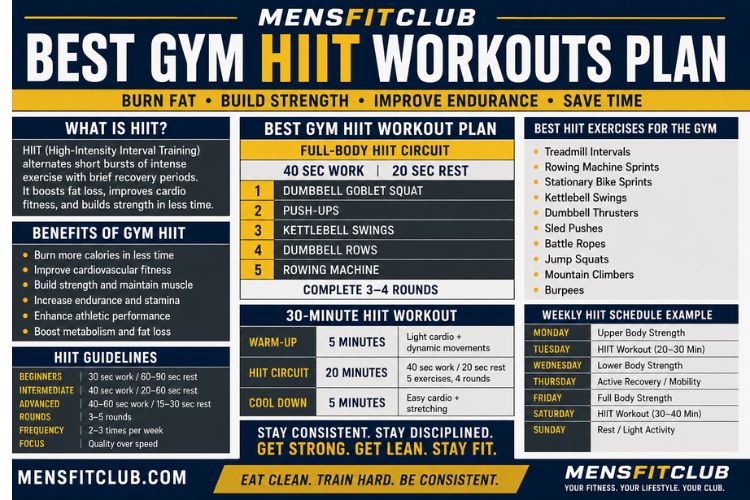
Best Gym HIIT Workouts Plan To Burn Fat & Build Strength
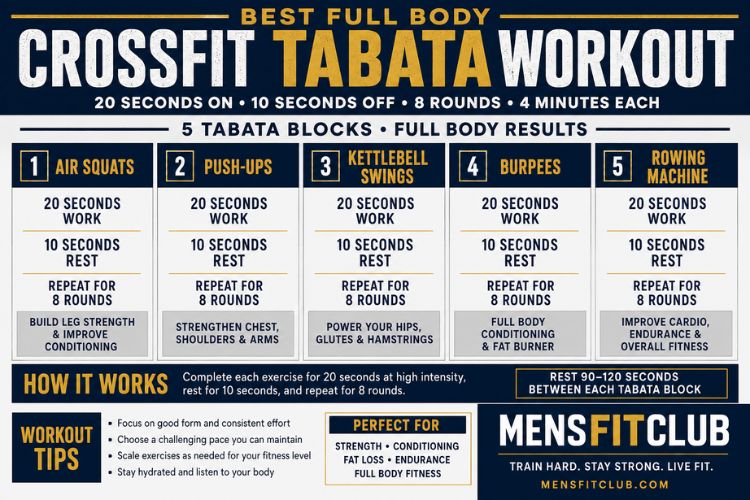
Best CrossFit Tabata Workout for a Full Body Burn
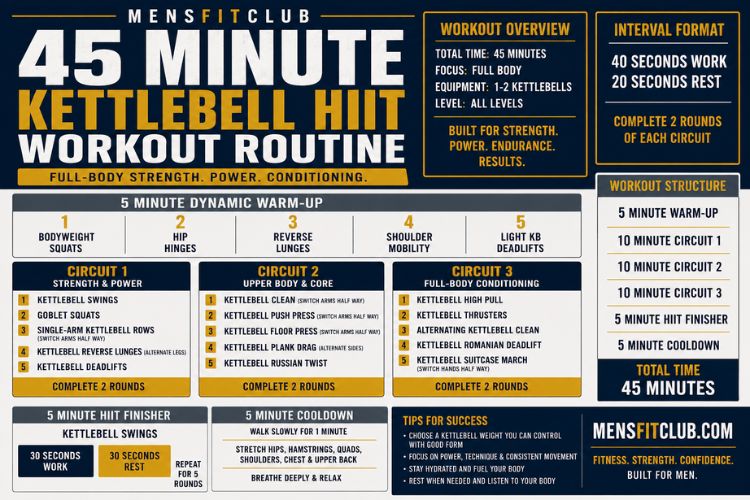
45-Minute Kettlebell HIIT Workout: Full-Body Fat Burning Routine
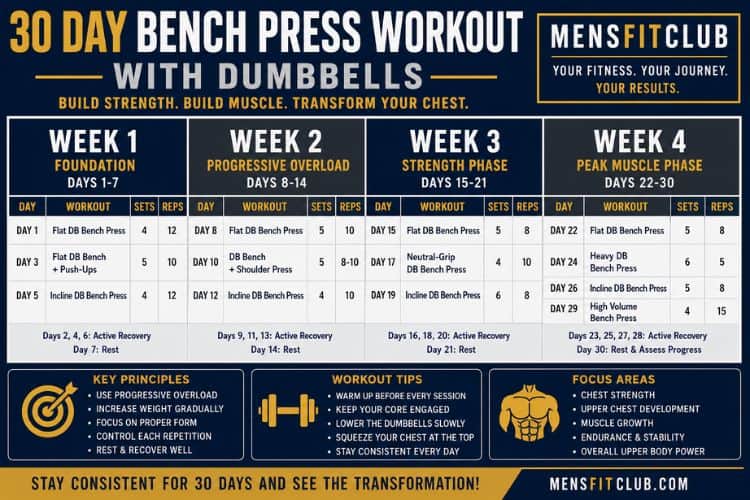
30 Day Dumbbell Bench Press Workout for a Bigger Chest
Barefoot Running Shoe Learn The Basics
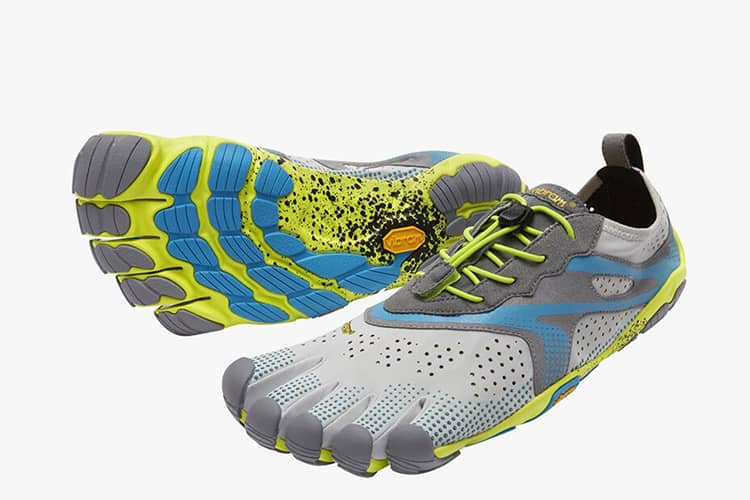
Ask ten runners what’s the best way to run and you’ll get ten different answers. Some runners favor shoes with more cushion and support while others swear by barefoot running shoes. The idea behind them is to create a more natural dynamic on unnatural surfaces, such as asphalt.
What is the deal with barefoot running shoes?
Without proper protection, running on non-yielding surfaces is harmful to feet, ankles and all the way up. Before there were running shoes and paved roads, the human foot was more than able to handle the uneven natural surfaces with little or no problems and here’s why. One of the body’s responses to being barefoot on natural surfaces is to absorb shock and stabilize the weight it’s carrying.
How to human foot was designed for running
When your heel hits the ground your entire leg is optimally aligned for proper functioning. The foot is flexible enough to respond to naturally yielding surfaces and the tendons actually push the body forward. When running on those surfaces, heel strikes become unnecessary because there’s no need to have that kind of contact with the Achilles’ or other tendons because they’re already doing what they’re supposed to do. Benefit of barefoot running shoe.
How shoe manufacturers try to replicate nature
Unfortunately, shoe companies assume that this dynamic can be mimicked on unnatural surfaces and have marketed these shoes using that logic. When naturally flexible metatarsal bones meet unyielding surfaces, it will be pushed up hard and cause joint pain, plantar fasciitis and many forms of tendonitis. Eventually, the stress can lead to fractures, knee hip and back problems. The fact is there are two truths to running: if you’re running on an unnatural surface, you’re going to need the cushioning that running shoes provide. If you’re running on naturally yielding surfaces, your heel strikes will be minimized anyway.
Who should use barefoot running shoes?
So does that mean that no one should be using these types of running shoes? More than a few doctors do not recommend barefoot running shoes for longer distances. Another podiatrist suggests that only those with the proper amount of stability and flexibility can really wear them without problem. However, the one thing they can all agree on is that visiting a podiatrist first is the best course of action. A podiatrist, specifically on trained in functional foot typing would be able to tell you if barefoot running shoes would do you well. Otherwise, make sure you get shoes with good cushioning and practice proper technique.


Most Recommended

Subscribe to our Newsletter
Stay up to date on the latest men’s health, fitness and lifestyle trends and tips.
About Us
Men’s Fit Club was started with the goal of empowering men to get the most out of their lives. This meant going beyond exercise and diet tips to really address the broad range of issues that men face on a daily basis – topics like recreation, finding love, sexual health and even sound fashion advice.
Quick Links
© COPYRIGHT MEN'S FIT CLUB 2026. All Rights Reserved