


Beginner Rucking Workout Plan for Strength and Fat Loss
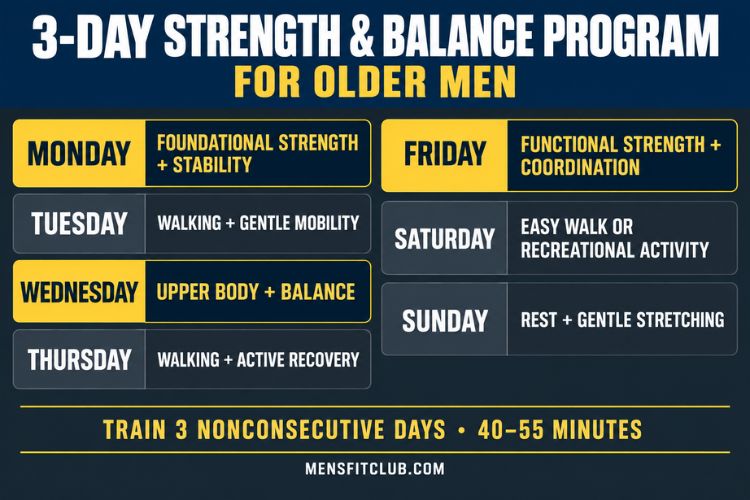
3 Day Strength and Balance Program for Older Men

Best Hair and Beard Routine for Men Who Work Out Daily
Food Combination The Art and Science of Pairing
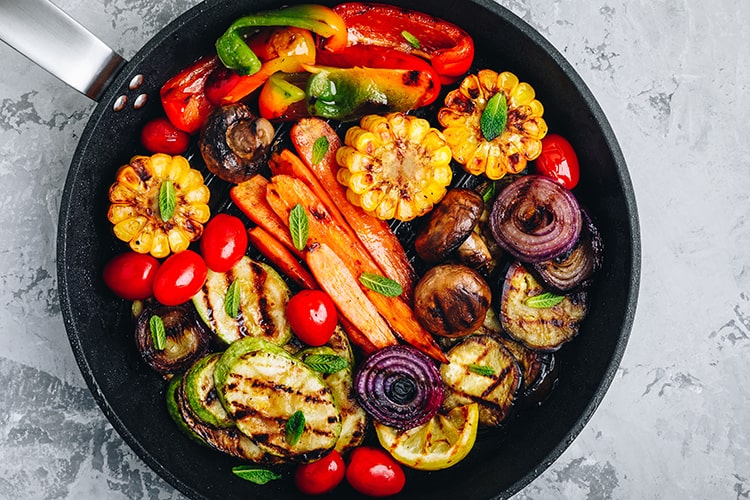
The world of food is vast, diverse, and full of nuances. In the culinary realm, the magic often happens when two or more ingredients come together to create a symphony of taste and texture that is greater than the sum of its parts. This process, known as food combining, is at the heart of gastronomy and a fundamental aspect of our dietary culture. This article explores the significance, science, and principles of food combinations, as well as the potential health implications they can have.
Food Combinations Unlocking the Art and Science of Pairing
The Art of Food Combination
Food combinations have been an integral part of global cuisines for centuries. From peanut butter and jelly in the United States to sushi and wasabi in Japan, combinations bring out the most in food and create unique, palatable experiences. The art of combining food involves balancing flavors—sweet, salty, sour, bitter, and umami—and textures to stimulate all senses and create a satisfying meal.
Food pairing traditions vary across cultures, often based on local ingredients and historical influences. For instance, in the Mediterranean, it’s common to pair rich, fatty fish with acidic citrus to balance out the flavor. In India, the combination of lentils and rice provides a complete protein source in a vegetarian diet.
The Science of Food Combination
Food pairing isn’t just about creating harmonious flavors, but there is an intriguing science behind it. The molecular components of food can either complement or contrast with each other, creating a diversity of taste experiences. This concept, often termed “molecular gastronomy,” has been increasingly used by chefs to experiment with unique pairings.
A renowned study by Ahn et al. (2011) visualized the shared flavor compounds between different foods and showed that some cuisines, like North American and Western European, prefer ingredient pairs with shared flavor compounds. In contrast, East Asian and Southern European cuisines tend to favor contrasting flavors.
Food Combinations and Health
Interestingly, the way we combine foods can also have health implications. Some combinations can improve nutrient absorption in our bodies, while others might hinder it. For example, pairing iron-rich foods like spinach with vitamin C-rich foods like oranges can enhance iron absorption. Conversely, drinking tea or coffee with meals can inhibit the absorption of certain minerals due to their high tannin content.
Food combining diets have gained popularity in the wellness industry, suggesting that certain food pairings or timings can aid digestion and weight loss. However, evidence supporting these claims remains limited and inconsistent. It’s essential to remember that a balanced, diverse diet is usually the best approach to nutrition.
Practical Tips for Food Combining
So, how can you enhance your meals with thoughtful food combinations? Here are a few tips:
Balance your flavors:
A good rule of thumb is to pair contrasting flavors. For example, salty with sweet (think bacon and maple syrup), or spicy with cool (as in spicy buffalo wings with a creamy blue cheese dressing).
Consider The Temperature And Texture:
Food pairing also involves temperature and texture contrasts, such as the hot and crispy chicken with cool and creamy coleslaw or warm apple pie with cold ice cream.
Emphasize Nutrient Absorption:
Pair foods to enhance nutrient uptake. Combining fat-soluble vitamins (A, D, E, K) with a source of healthy fats, like avocados or nuts, can enhance absorption.
Experiment:
Dare to try unusual combinations. The world of food is vast, and you never know what pairings might tantalize your taste buds. Remember, the key to a great food combination is personal preference.
Food combination is an art form, a science, and a crucial aspect of culinary traditions worldwide. Whether you’re whipping up a quick sandwich or fine-tuning a gourmet meal, the thoughtful pairing of ingredients can create a symphony of flavors and elevate the dining experience. While some food pairings can impact health by affecting nutrient absorption, it’s important not to overcomplicate meals. Balance, diversity, and personal enjoyment are paramount in a satisfying and nourishing diet.
As you step into your kitchen next, consider the food combinations in your culinary repertoire. Do they enhance your meals, bringing out the best flavors, textures, and nutrients in your food? If not, it’s time to start exploring the dynamic world of food pairing. Remember, the joy of food lies not just in individual ingredients but in the delicious harmony they create when thoughtfully combined.


Most Recommended

Subscribe to our Newsletter
Stay up to date on the latest men’s health, fitness and lifestyle trends and tips.
About Us
Men’s Fit Club was started with the goal of empowering men to get the most out of their lives. This meant going beyond exercise and diet tips to really address the broad range of issues that men face on a daily basis – topics like recreation, finding love, sexual health and even sound fashion advice.
Quick Links
© COPYRIGHT MEN'S FIT CLUB 2026. All Rights Reserved