


High Protein Beef and Pumpkin Chili: A Hearty Recipe

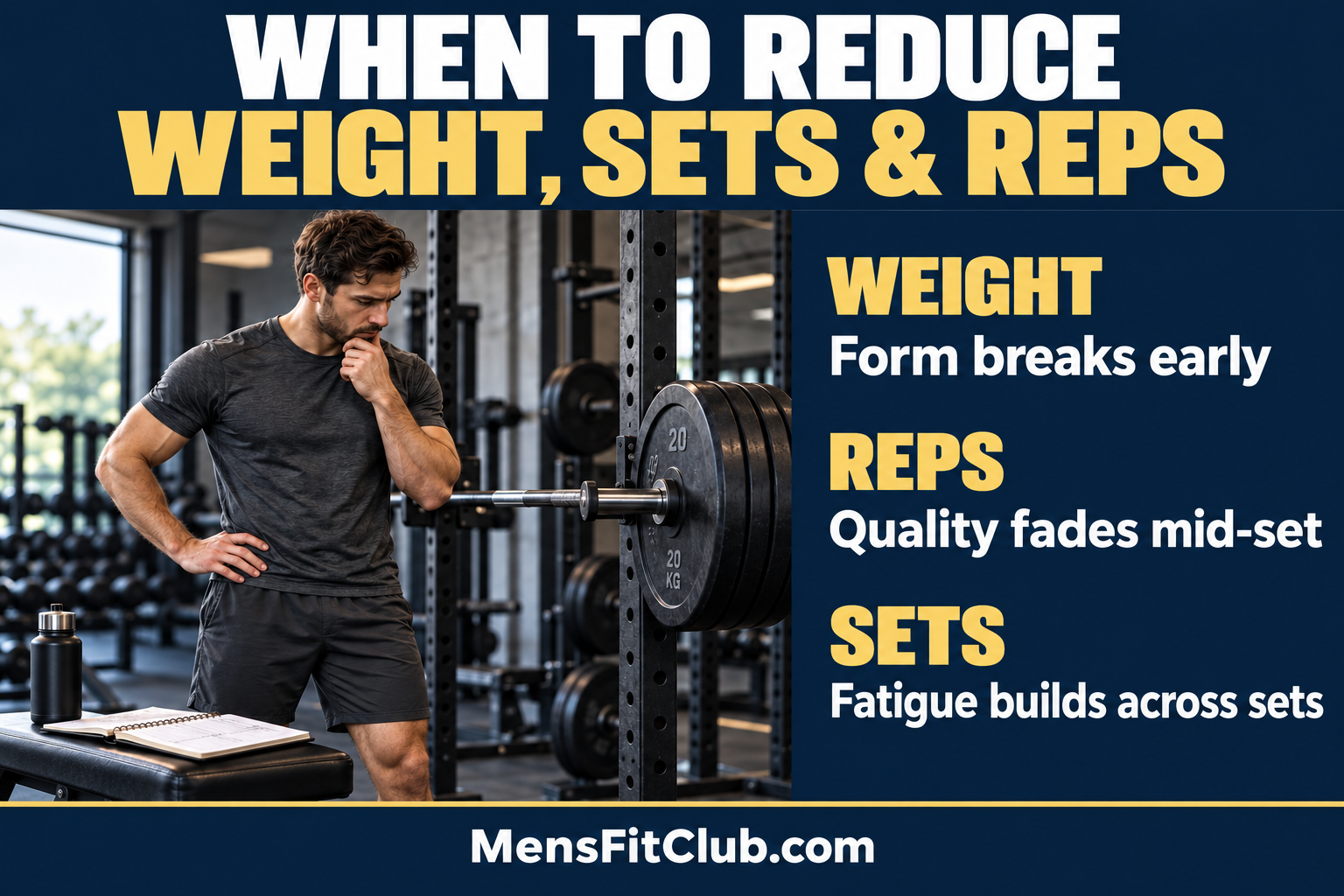
When to Reduce Sets Reps or Weight During a Workout
Upper-Back Strength Workout for Computer Users

Hours at a computer can leave your shoulders feeling tired and your upper back ready for a change of position. You might notice this after answering emails, working through spreadsheets, editing content, or spending an evening gaming. An upper back strength workout for computer users gives those muscles a more purposeful challenge while helping you build the capacity to move, pull, and support your arms throughout everyday activities.
The answer is broader than repeatedly squeezing your shoulder blades together. A useful routine combines progressive resistance, controlled shoulder movement, manageable mobility work, and regular breaks from your screen. You do not need a complicated gym program or heavy equipment to begin. A pair of dumbbells, a light resistance band, and a stable support can cover the basics.
This guide provides a practical upper back workout for desk workers, explains each exercise, and shows how to progress over four weeks. The goal is stronger muscles and better movement options, without promising that exercise will cure pain or permanently change your resting posture.
Why Computer Users Should Do Upper Back Strength Workout
Computer work often involves relatively small movements repeated for long periods. Your hands move over a keyboard while your head, shoulders, and torso may stay in similar positions. Even when the workload feels mentally demanding rather than physically demanding, maintaining a position can become tiring.
OSHA explains that prolonged static postures during computer use can fatigue the neck and shoulder muscles. Its guidance recommends varying tasks and including short movement breaks. Strength training complements those habits by giving your upper body a progressive challenge outside the demands of screen work. It does not replace breaks or a comfortable workstation.
An upper back routine is also valuable because many recreational workouts emphasize the front of the body. Push-ups, bench presses, and pressing machines are easy to prioritize. Adding rows and rear-shoulder exercises creates a more complete training program and develops pulling strength for lifting bags, moving objects, and other daily tasks.
Strength, Posture, and Discomfort Are Different Outcomes
A stronger upper back does not guarantee that you will sit upright automatically or never feel discomfort. Pain can have several contributors, and the appearance of your posture cannot identify its cause. Feeling tired at your desk also does not prove that a particular muscle is weak.
Think of this program as general strength training for people who use computers. You are developing physical capacity while practicing comfortable movement. If your shoulders naturally move forward during typing, that is not a reason to keep them forcefully pulled backward all day. Change positions, adjust your setup, and let your shoulder blades move normally.
Upper Back Muscles Used in This Strength Workout
The upper back includes several muscles that work together rather than functioning as isolated posture switches. Understanding their roles helps you choose exercises and recognize why the workout includes more than one type of movement.
Trapezius and Rhomboids
The trapezius spans a large area from the neck into the upper and middle back. Its regions contribute to different shoulder-blade movements, including elevation, retraction, and upward rotation. The rhomboids help draw the shoulder blades toward the spine. Rows train several of these muscles alongside the arms and other back muscles.
Rear Deltoids, Rotator Cuff, and Serratus Anterior
The rear deltoids help move your upper arms backward and contribute to exercises such as reverse flyes. The rotator cuff supports shoulder control, including external rotation. The serratus anterior helps the shoulder blade move around the rib cage and contributes to upward rotation when you raise an arm.
This is why the plan combines pulling exercises with wall slides and a wall push-up variation. Shoulder blades need to glide, rotate, and reach as well as retract. Training only a hard squeeze between them leaves important movement options unexplored.
How Often Should Computer Users Do Upper Back Strength Workout?
Begin with two sessions per week on nonconsecutive days. Monday and Thursday, or Tuesday and Friday, are practical options. Allow roughly 48 hours between sessions, and adjust that spacing if soreness or fatigue remains substantial.
Plan for approximately 30 to 40 minutes, including the warm-up and rest periods. A beginner can start with fewer sets and finish sooner. Performing the exercises carefully is more useful than rushing to fit an arbitrary time limit.
Choose resistance that leaves about two or three good repetitions available at the end of each working set. This is often described as keeping two or three repetitions in reserve. You should feel challenged while remaining able to control the movement and breathe normally.
Who Should Modify the Upper Back Strength Workout Routine?
If you already train your back in a full-body or upper/lower program, replace some existing pulling work with these exercises rather than adding the entire workout. Total weekly workload matters more than the title of the routine.
If you have ongoing upper back, neck, or shoulder pain, seek individualized guidance before using exercise as treatment. Stop movements that cause sharp pain, spreading pain, tingling, numbness, or unusual weakness. Persistent pain between the shoulders deserves assessment, and back pain accompanied by chest pain or a serious injury needs urgent medical attention.
Five-Minute Warm-Up Before Your Upper Back Strength Workout
The warm-up should help you move comfortably and rehearse the session. It does not need to exhaust your muscles or force your joints into a larger range than they can currently tolerate.
Easy Walking and Shoulder Movement
Walk or march for one minute, allowing your arms to swing naturally. Follow with five slow shoulder circles in each direction. Keep the circles comfortable instead of making the largest motion possible.
Next, perform five gentle neck turns to each side. Keep your head level and move only through an easy range. These movements are optional; skip them if they provoke symptoms. The purpose is to transition away from prolonged stillness.
Thoracic Rotation and Practice Rows
Stand with your arms crossed over your chest and rotate your torso gently to each side for six repetitions. Let your upper trunk turn while your hips remain generally forward, without locking your lower body or forcing a twist.
Finish with eight wall slides and ten very light rows using your chosen rowing setup. If needed, perform another easy rowing set before your first working set. Warm-up repetitions should feel smooth and leave you ready for the workout.
The Upper Back Strength Workout for Computer Users
Perform the exercises in the following order. Start with two working sets per exercise. The four-week progression later in this article explains when to add a third set to the row. Rest sufficiently to maintain control, and use a comfortable range throughout.
Exercise 1: Supported One-Arm Dumbbell Row
Perform two sets of eight to twelve repetitions per side. Rest about 30 seconds while changing sides, then 60 to 90 seconds after completing both arms. This is the main strength exercise in the session.
Place one hand on a stable bench or solid countertop that can safely support your weight. Step your feet into a comfortable stance, soften your knees, and hinge at your hips. Hold the dumbbell in the opposite hand with your arm hanging beneath your shoulder. Keep your head generally aligned with your torso.
Pull your elbow toward your hip without twisting your chest upward. Let your shoulder blade move naturally as you row, then lower the dumbbell under control. A small, comfortable reach at the bottom is appropriate; you do not need to hold the shoulder blade rigidly backward.
Choose a weight that allows a brief pause near the top without jerking. If your lower back tires first, adjust the support height or use a chest-supported row. Train both sides with the same planned repetitions, starting with the side that feels less coordinated.
Exercise 2: Supported Dumbbell Reverse Fly Upper Back Strength Workout
Perform two sets of ten to fifteen repetitions, resting 60 to 90 seconds between sets. Use much lighter dumbbells than you use for rows. The longer arm position makes modest weights challenging.
If you have an adjustable bench, lie chest-down with your feet firmly supported. Otherwise, sit on a stable chair and hinge forward comfortably, keeping your trunk steady. Hold the dumbbells below your shoulders with your elbows slightly bent.
Raise your arms outward in a controlled arc, stopping at a comfortable height. Avoid throwing the weights or lifting your chest to manufacture extra range. Lower slowly and keep the slight elbow bend consistent.
If the bent-over position bothers your back, replace this exercise with a light band pull-apart. Hold the band in front of your chest and gently separate your hands through a comfortable range. Keep the resistance low enough to avoid excessive shrugging or arching.
Exercise 3: Light Band External Rotation
Perform two sets of ten to fifteen repetitions, resting 45 to 60 seconds between sets. This exercise develops shoulder control alongside the larger pulling movements.
Hold a light band between your hands with your elbows bent about 90 degrees and resting near your sides. Begin with your hands a comfortable distance apart. Rotate your forearms outward while keeping your upper arms relatively still, then return slowly.
Do not chase a large stretch or force your elbows tightly into your ribs. A small folded towel between each elbow and your torso can help you maintain a comfortable position. Your wrists should stay relatively straight rather than bending to create movement.
Use very light resistance. If you feel a pinch at the front or top of the shoulder, stop and adjust the range or omit the exercise. This should feel like controlled muscular work, not a test of how far you can pull the band.
Exercise 4: Wall Slide Upper Back Strength Workout
Perform two sets of eight to twelve repetitions, resting 45 to 60 seconds. Wall slides practice controlled arm elevation and shoulder-blade movement rather than heavy pulling strength.
Face a wall with your forearms touching it and your elbows bent. Stand close enough to stay balanced. Gently slide your forearms upward as far as comfortable, then return.
Allow your shoulder blades to rotate as your arms rise. Keep your ribs reasonably stacked over your pelvis, avoiding a large backward lean. You do not need to keep the shoulders forcibly down throughout an overhead movement.
If sliding overhead feels uncomfortable, reduce the height. Another option is to practice the movement without touching the wall. Quality and comfort matter more than reaching a predetermined endpoint.
Exercise 5: Wall Push-Up Plus Upper Back Strength Workout
Perform two sets of eight to twelve repetitions, resting 45 to 60 seconds. This movement complements the rows by training a controlled forward reach of the shoulder blades.
Place your hands against a wall around shoulder height and step your feet back slightly. Bend your elbows to bring your chest toward the wall, then press away. Once your elbows are straight, gently push the wall a little farther away so your shoulder blades glide around your ribs.
Return from that extra reach before beginning the next repetition. Keep your body aligned and avoid jutting your chin forward. The additional movement should come from the shoulder blades, with no need for exaggerated rounding or strain.
Move closer to the wall to make the exercise easier. When it becomes comfortable, a stable countertop offers a harder variation. Avoid rolling chairs, lightweight desks, or furniture that could slide.
Four-Week Upper Back Strength Progression
Progression works best when you change one variable at a time. Record your exercise, resistance, repetitions, and any symptoms. A simple training log is enough to identify whether your strength and control are improving.
Week 1: Establish Comfortable Upper Back Strength Workout Technique
Complete two sessions with two sets of each exercise. Use the lower end of the repetition ranges and leave around three repetitions in reserve. Your first week is an opportunity to learn the movements and identify suitable resistance.
Check how you feel later that day and the following morning. Mild muscular soreness can occur when introducing unfamiliar work. Sharp pain, worsening symptoms, or discomfort that interferes with normal activity calls for a change rather than more effort.
Week 2: Add Repetitions
Continue with two sets per exercise. Add one repetition to each set where you can maintain the same technique and effort. Some exercises may progress faster than others.
For example, your row might increase from eight to nine repetitions while your reverse fly remains at ten. That is normal. Avoid forcing every exercise to follow the same rate of progress.
Week 3: Increase Rowing Volume if Recovery Is Good For Upper Back Strength Workout
Add a third set to the supported row if the first two weeks felt manageable. Keep the other exercises at two sets. This brings the routine to eleven working sets while giving the main pulling exercise slightly more emphasis.
If the extra set makes your session too long or leaves you unusually fatigued, remain at two. Consistent, recoverable training produces a more useful foundation than a weekly increase you cannot sustain.
Week 4: Increase Resistance Where Appropriate
When you reach the top of an exercise’s repetition range on every set with good control and two or three repetitions still available, increase resistance slightly. Return toward the lower end of the range after the increase.
For bands, progression may mean using a slightly stronger band or shortening the working length carefully. For wall exercises, improve control or adjust your body angle before adding repetitions endlessly. Continue the same principles after week four.
A Shorter Upper Back Strength Workout for Busy Workdays
When you have only fifteen to twenty minutes, complete a brief warm-up followed by two sets of supported rows, two sets of reverse flyes, and one set of wall slides. Keep the normal rest periods rather than converting every movement into a fast circuit.
Do not compensate for a missed workout by doubling the next session. Resume your usual schedule. Long-term consistency matters more than achieving a perfect calendar.
How to Adapt the Upper Back Strength Workout at Home or in the Gym
The movement pattern matters more than owning a particular piece of equipment. Choose variations that provide stable support and resistance you can control.
Resistance-Band Version
Replace the dumbbell row with a seated or standing band row using a secure anchor designed for exercise. Follow the manufacturer’s anchoring instructions and inspect the band for tears before training. Keep your face away from the potential recoil path.
Use band pull-aparts instead of reverse flyes, then complete the external rotations and wall exercises as described. Bands can provide meaningful resistance, although the challenge usually changes through the movement. Track your band and setup so sessions remain comparable.
Gym Version Upper Back Strength Workout
A chest-supported machine row can replace the one-arm dumbbell row. Adjust the seat so the handles allow a comfortable reach without forcing your shoulders. Perform two or three sets of eight to twelve repetitions.
A reverse pec-deck machine can replace the reverse fly. Begin light and adjust the handles to avoid an uncomfortable stretch. Keep the wall exercises or use a suitable open area nearby. More equipment does not require a more complicated program.
No-Equipment Limitations
Wall slides and wall push-ups require no training equipment, but they cannot fully replace progressively loaded rows. Prone arm raises may provide light muscular work, yet they have limited potential for building substantial pulling strength.
If you want a reliable home upper back strength program, a resistance band or adjustable dumbbell makes progression easier. Avoid improvised rows beneath untested tables or pulling against unstable furniture.
Desk Habits That Support Your Upper Back Strength Workout Training
Your workout occupies a small part of the week. Daily work habits can make the remaining hours more comfortable and varied.
Arrange Your Workstation for Comfortable Reach
Keep your keyboard and mouse close enough that your elbows can remain near your torso. Support your feet on the floor or a footrest, and adjust the chair so your back can rest comfortably against it. Position the display where you can read without repeatedly leaning forward.
OSHA’s workstation guidance recommends relaxed shoulders, a supported back, and frequent changes in working position. Use those ideas as a starting point, then adjust for your body and tasks. Avoid turning desk posture into a rigid position you must hold perfectly.
Take Movement Breaks During Computer Work
OSHA recommends frequent short breaks and suggests a five-minute break from computer tasks each hour. Use that time to stand, walk, or switch to a task that changes your position.
A shorter pause between tasks can also help you remember to move. Stand after a call, walk for water, or change your chair position before beginning another work block. You do not need to perform strengthening exercises during every break; walking and position changes are useful choices.
Common Upper Back Strength Workout Mistakes
The most common mistake is using more resistance than you can control. If your row depends on torso twisting or your reverse fly becomes a swing, lower the weight. Clean repetitions make progress easier to measure.
Another mistake is turning every exercise into a shoulder-blade squeeze. Retraction is one movement among several. Let your shoulder blades reach during the wall push-up plus and rotate during wall slides.
Daily hard pulling workouts can also create unnecessary fatigue, especially when added to an existing lifting plan. Keep desk breaks gentle and reserve challenging strength work for your scheduled sessions.
Finally, avoid treating soreness as proof of effectiveness. Your progress should show up in controlled repetitions, appropriate load increases, and consistent training. A productive workout does not need to leave your shoulders aching the next day.
Build an Upper Back Strength Workout Routine You Can Maintain
An upper back strength workout for computer users works best as a repeatable part of a balanced routine. Train twice weekly, prioritize controlled rows, include rear-shoulder and shoulder-blade exercises, and increase the challenge gradually.
Pair those sessions with comfortable workstation adjustments and regular movement breaks. Start with the first week’s workload, record what you complete, and let your recovery guide the next step. Stronger pulling muscles and more varied daily movement are practical goals you can work toward without making your schedule more complicated.
To complement this upper back strength workout for computer users, explore our Dumbbell Bent Over Row Guide for pulling technique and Dumbbell Rows For Bench Press Stability for additional rowing variations. Prepare your shoulders with our Shoulder Mobility Workout, build a balanced routine with this 30 Minute Upper Body Workout For Beginners, and explore our Barbell Mobility Warm Up For Stiff Lifters for upper-back movement drills before gym sessions.


Most Recommended

Subscribe to our Newsletter
Stay up to date on the latest men’s health, fitness and lifestyle trends and tips.
About Us
Men’s Fit Club was started with the goal of empowering men to get the most out of their lives. This meant going beyond exercise and diet tips to really address the broad range of issues that men face on a daily basis – topics like recreation, finding love, sexual health and even sound fashion advice.
Quick Links
© COPYRIGHT MEN'S FIT CLUB 2026. All Rights Reserved