
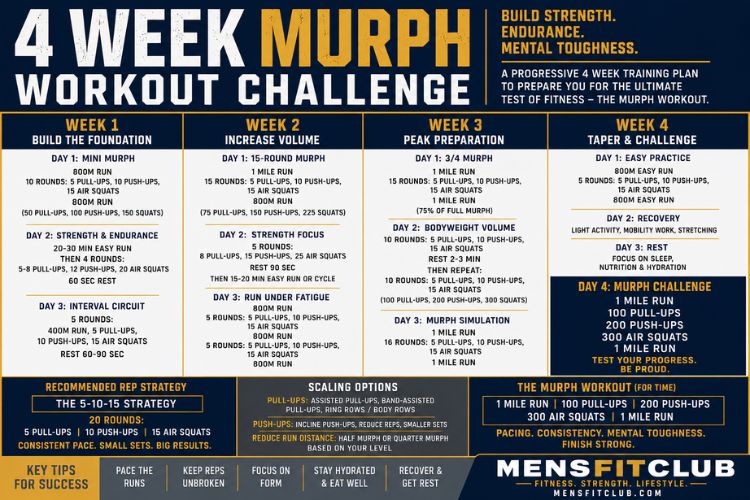
4 Week Murph Workout Challenge A Complete Training Plan
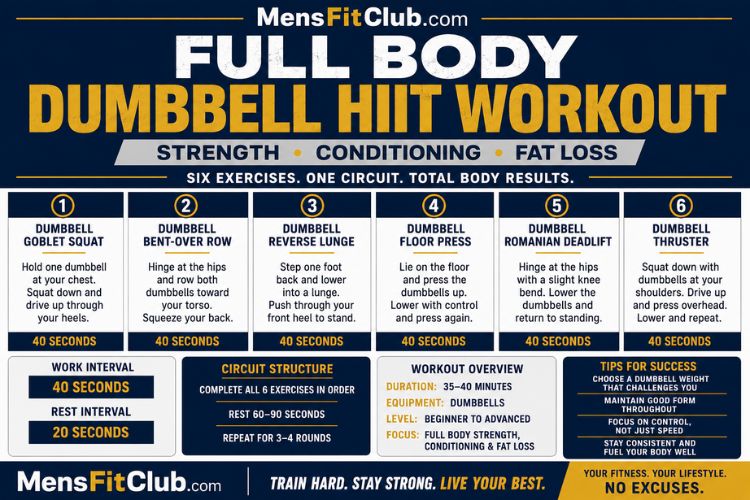
Full Body HIIT Routine With Dumbbells (Build Muscle + Burn Fat)
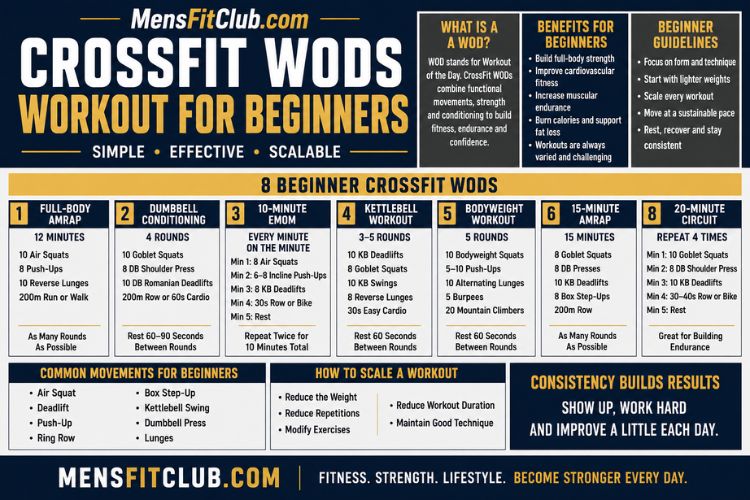
CrossFit WOD Workout for Beginners to Get Started
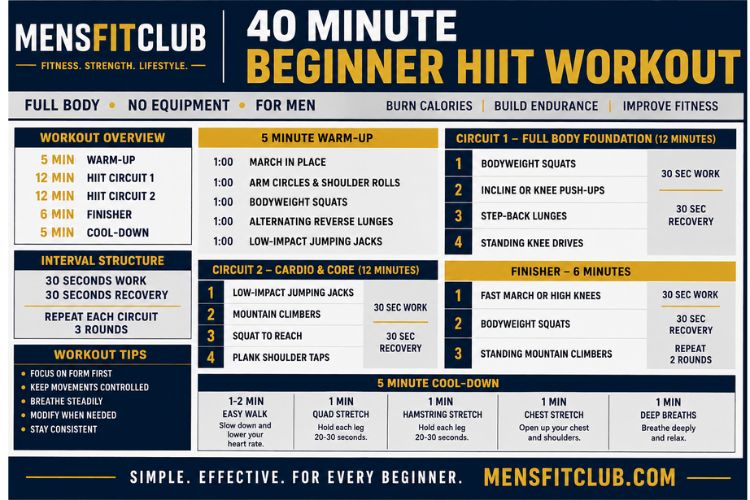
40 Minute Beginner HIIT Workout: Full Body Routine
Training Routines Building a Foundation for Success

Achieving one’s goals in fitness, sports, or any discipline for that matter, largely hinges on the quality and consistency of one’s training routines. These routines are the blueprints that guide us, shaping our progress and helping us attain our desired results. Whether you’re an amateur looking to improve or a professional athlete, a well-structured training routine is essential. Here’s a closer look into why training routines matter and how you can construct one that’s right for you.
Training Routines Building a Foundation for Success
1. Why Are Training Routines Important?
a) Consistency:
Training routines offer a systematic approach. When we follow a routine, it’s easier to measure progress and make necessary adjustments. Consistency is often cited as a major key to success, and having a set routine encourages this.
b) Balanced Growth:
Without a structured plan, one might overtrain certain muscle groups or skills while neglecting others. This can lead to imbalances which are not only aesthetically displeasing but can also lead to injuries.
c) Mental Preparedness:
Knowing what’s coming next prepares the mind. When you have a set plan for the day or week, you can mentally gear up for the challenges ahead, leading to better performance and focus.
2. Elements of an Effective Training Routine
a) Warm-Up:
Every good routine should start with a warm-up. This prepares the body for the physical stress it’s about to undergo, reducing the risk of injury. A warm-up could include light aerobic exercises, dynamic stretches, or movement patterns specific to the upcoming workout.
b) Core Workout:
This is the crux of your routine, be it weightlifting, running, cycling, or any other form of exercise. It should align with your specific goals, whether that’s muscle building, endurance training, or skill acquisition.
c) Cool Down: Effective Training Routine
Just as a warm-up prepares your body to work, a cool down helps to gradually reduce the heart rate and relax the muscles. This might involve static stretching and relaxation techniques.
d) Recovery:
Often overlooked but vitally important, recovery is an integral part of any routine. This could mean active recovery days with light exercise or complete rest. Additionally, ensuring adequate sleep and nutrition are pivotal.
3. Customizing Your Training Routine
a) Define Your Goals:
Are you looking to build muscle, increase endurance, lose weight, or perhaps improve in a specific sport? Your goals will dictate the specifics of your training.
b) Listen to Your Body:
While it’s good to follow expert advice, it’s crucial to listen to your own body. If something feels off or you’re experiencing undue pain, it might be time to adjust your routine or consult a professional.
c) Progressive Overload:
For continued improvement, one must progressively increase the demands on the body. This can be achieved by increasing the weight lifted, the distance run, the intensity, or even the complexity of a skill.
d) Variety: Training Routines
While consistency is king, variety is its queen. To prevent plateaus and maintain interest, occasionally tweak your routine. This can mean changing exercises, adjusting set/rep schemes, or incorporating new training methods.
4. Periodization and Long-Term Planning
To optimize results, consider adopting a periodized approach. This involves dividing your training into specific cycles, each with a particular focus. For instance, an athlete might have an off-season, pre-season, and competitive season, each requiring different training intensities and focuses.
5. Seek Expertise: Training Routines
Whether through hiring a personal trainer, joining a class, or even consulting online resources, gaining knowledge from those more experienced can vastly improve the quality of your routine. They can provide valuable feedback, suggest modifications, and introduce you to techniques you might not have considered.
A well-crafted training routine is more than just a set of exercises; it’s a structured pathway to your goals. It offers a balanced approach that, when coupled with determination and consistency, can lead to unparalleled growth and success. So, take the time to plan, seek guidance when needed, and commit to the journey. The results will surely speak for themselves.


Most Recommended

Subscribe to our Newsletter
Stay up to date on the latest men’s health, fitness and lifestyle trends and tips.
About Us
Men’s Fit Club was started with the goal of empowering men to get the most out of their lives. This meant going beyond exercise and diet tips to really address the broad range of issues that men face on a daily basis – topics like recreation, finding love, sexual health and even sound fashion advice.
Quick Links
© COPYRIGHT MEN'S FIT CLUB 2026. All Rights Reserved