

High Protein Beef and Pumpkin Chili: A Hearty Recipe
When to Reduce Sets Reps or Weight During a Workout
Posterior Chain Workout for Desk Workers | MensFitClub
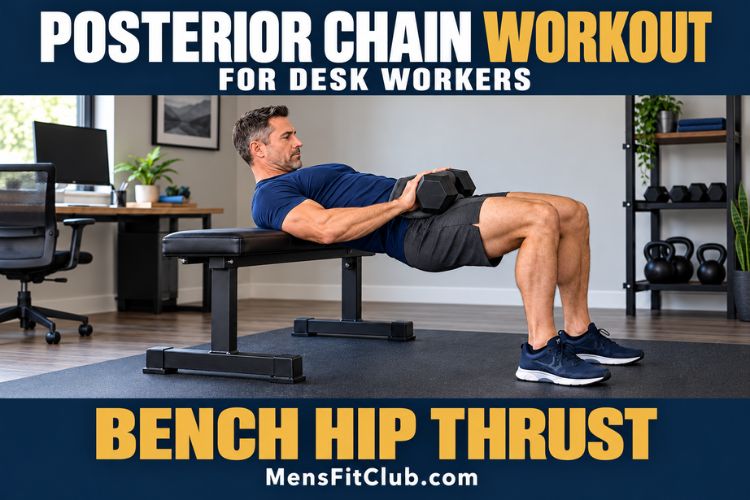
Hours at a computer can make the transition from sitting to exercise feel surprisingly difficult. Your hips may feel stiff, your upper back may feel tired, and your first few movements after work may seem awkward. A posterior chain workout for desk workers gives you a practical way to train the muscles that help you stand, hinge, walk, climb stairs, and lift everyday objects. With a few well-chosen exercises, you can build strength across your glutes, hamstrings, and back without spending every evening in the gym.
The goal is to develop strength and confidence through useful movements. Sitting does not automatically mean your muscles are damaged or your posture needs correcting. However, a workday spent mostly in one position gives you limited opportunities to challenge your body. This plan adds deliberate resistance training, manageable progression, and simple movement breaks to a schedule that already has plenty of demands.
You will need a pair of dumbbells, a sturdy support for rows, and enough floor space for a bridge. Train twice weekly on nonconsecutive days, starting with the beginner volume if you have been inactive. Most sessions take approximately 35 to 45 minutes, including preparation and rest. Consistency matters more than selecting the heaviest weights on your first day.
What Is the Posterior Chain Workout?
The posterior chain refers broadly to muscles along the back of your body. In strength training, the term commonly includes the gluteal muscles, hamstrings, spinal erectors, and parts of the upper back. These muscles contribute to different movements and share work with the rest of your body. Training them effectively requires more than one exercise because their functions differ.
Glutes and Hamstrings
Your glutes help extend your hips as you stand from a chair, climb steps, or rise from a hinged position. They also contribute to controlling your pelvis and legs during single-leg movements. Your hamstrings assist hip extension and bend your knees. A balanced workout therefore includes both a hip hinge, such as a Romanian deadlift, and a knee-flexion exercise, such as a hamstring curl.
Back Muscles and Trunk Support
Your spinal erectors help support and move your spine. During a controlled deadlift variation, they work alongside your abdominal muscles to manage your trunk position. Your upper-back muscles contribute to pulling movements and shoulder-blade control. Rows train these muscles while also involving your arms. Stronger back muscles can make carrying, lifting, and sustained activity feel more manageable, although strength training cannot guarantee a particular posture or eliminate every source of discomfort.
Why Desk Workers Benefit From Posterior Chain Workout
A desk job often reduces the amount of movement built into your day. Even when you exercise regularly, long meetings and concentrated computer work can leave several hours with little change in position. A structured workout creates a reliable opportunity to load your muscles through a comfortable range of motion and improve your ability to perform demanding tasks.
Build Capacity for Everyday Movement
Picking up shopping bags, moving a suitcase, and helping carry furniture all involve some combination of hip movement, trunk control, and grip strength. The exercises in this plan practice those abilities under controlled conditions. Over time, the same task may require a smaller proportion of your available strength. That is a useful outcome even if your main goal has nothing to do with sports.
Add Movement Variety After Sitting
After several hours seated, it can feel good to extend your hips, move your shoulders, and spend time on your feet. Strength training offers one way to introduce that variety. Walking and brief activity breaks offer another. You do not need to label your glutes “inactive” or assume that every tight sensation reflects shortened muscles. Use the workout to develop capacity, and use movement breaks to interrupt long periods of stillness.
How to Prepare for the Posterior Chain Workout
Choose an area with stable footing and a support that will not slide or tip. Wear shoes that allow you to balance comfortably, and keep your weights within easy reach. Avoid rushing straight from your chair into your hardest working set. Spend several minutes rehearsing the patterns you will train, especially when exercising early in the morning or immediately after work.
Select Weights You Can Control
For your first sessions, select loads that allow you to finish each set with approximately three repetitions in reserve. This means you could perform about three additional repetitions with the same technique if necessary. You should feel effort in the intended muscles without having to jerk the weight, hold an awkward position, or hurry through the final repetitions. Your row, deadlift, and reverse fly will probably require different weights.
Separate Posterior Chain Workout Training Effort From Pain
Muscular effort and mild next-day soreness can occur when you introduce unfamiliar exercises. Sharp pain, radiating symptoms, or increasing discomfort during a set call for stopping that movement. This program is general fitness guidance rather than treatment for back pain. If you have a current injury or symptoms that limit everyday movement, get individualized advice before progressing loaded exercises.
A Six-Minute Warm-Up for Desk Workers
Begin with two minutes of comfortable walking, marching, or easy stepping. Let your arms move naturally and gradually increase your pace. Follow this with approximately one minute of gentle trunk rotations and shoulder movements. Keep the movements comfortable rather than trying to force a large stretch. The purpose is to prepare for training, not to test your maximum flexibility.
Practice the Hip Hinge
Stand a short distance in front of a wall with your back toward it. Soften your knees and push your hips backward until your hips lightly touch the wall. Keep your feet planted and return to standing. Perform eight to ten controlled repetitions. If you cannot reach the wall comfortably, move closer. This drill introduces the backward hip movement you will use during Romanian deadlifts.
Rehearse Bridges and Rows
Perform eight easy bodyweight glute bridges, pausing briefly at the top of each repetition. Then complete eight light rows per side using a much lighter weight than your working load. Before your deadlift working sets, perform one or two short practice sets, gradually approaching your chosen weight. These preparation sets do not count toward the workout volume below.
The Posterior Chain Workout for Desk Workers
Complete the exercises in the order presented. Use straight sets initially: finish the prescribed sets of one exercise before moving to the next. Rest approximately 90 to 120 seconds after deadlifts and 60 to 90 seconds after the other strength movements. Take longer when needed to restore steady breathing and good control. The aim is productive resistance training rather than a race against the clock.
1. Dumbbell Romanian Deadlift: Three Sets of Eight to Ten Repetitions
Stand with your feet approximately hip-width apart and hold a dumbbell in each hand beside the front of your thighs. Soften your knees, keep the weights close to your legs, and send your hips backward. Lower only as far as you can comfortably maintain a controlled trunk position. Stand by pressing through your feet and bringing your hips forward. Finish upright without leaning backward.
Take about two seconds to lower the weights. Your hamstrings should feel challenged as your hips move backward, but the dumbbells do not need to reach the floor. Range of motion varies between people and can change as you learn the movement. Stop the descent before you lose control, then return smoothly. If the exercise feels unfamiliar, begin with two sets and a lighter load.
2. Dumbbell Glute Bridge: Three Sets of Ten to Twelve Repetitions Posterior Chain Workout
Lie on your back with your knees bent and feet flat on the floor. Place a dumbbell across your hips, using a folded towel for comfort, and hold it securely. Press through your feet to raise your hips until your trunk and thighs form a comfortable line. Pause for one second, then lower with control. Keep your ribs from flaring as you lift.
Choose a foot position that allows you to feel your glutes working without persistent hamstring cramping. Small adjustments can help, but avoid repeatedly forcing uncomfortable repetitions. Begin with bodyweight if needed. You can progress by adding a small amount of resistance or improving control. Raising your hips higher by arching your lower back does not make the bridge more effective.
3. Supported One-Arm Dumbbell Row: Three Sets of Ten to Twelve Repetitions Per Side
Place one hand on a stable bench or sturdy support and adopt a balanced stance. Hinge enough to let your working arm hang comfortably beneath your shoulder. Pull the dumbbell toward your lower ribs while keeping your torso steady, then lower it gradually. Allow your shoulder blade to move naturally as your arm travels. Complete the repetitions before switching sides.
The support reduces the demand of holding an unsupported bent-over position, which can be useful after your deadlift sets. Avoid twisting your whole body to lift a heavier dumbbell. Use a weight you can lower smoothly and finish each set before your technique deteriorates. The goal is a repeatable pulling movement, with the upper back doing meaningful work throughout the set.
4. Hamstring Walkout: Two Sets of Four to Six Repetitions Posterior Chain Workout
Start in a bodyweight glute bridge. Keeping your hips slightly raised, take two or three small steps forward with your heels, then step back toward your starting position. One complete walkout and return counts as one repetition. Keep the steps short and stop before your hips drop or your hamstrings begin to cramp. Lower your hips between repetitions if that helps maintain control.
This movement adds a different challenge to the hamstrings while requiring little equipment. For an easier version, keep your hips on the floor and press your heels into the ground for two sets of 15 to 20 seconds. A gym-based alternative is a seated or lying leg curl for two sets of ten to fifteen repetitions. Choose one version rather than performing all three.
5. Light Dumbbell Reverse Fly: Two Sets of Twelve to Fifteen Repetitions
Use light dumbbells and hinge into a comfortable position with soft knees. With your elbows slightly bent, raise your arms outward until you reach a controlled, comfortable height. Lower slowly. Keep your neck relaxed and avoid using a sudden swing to move the weights. This exercise generally requires considerably less resistance than your rows, so prioritize control over matching dumbbell sizes.
If your lower back is tired from the earlier exercises, perform the movement with your chest supported on an incline bench when available. Alternatively, omit the fly and keep the supported row as your upper-back exercise. An optional accessory should not compromise the quality of the main movements. Comfortable shoulder motion and a stable torso matter more than lifting your arms to a particular height.
6. Suitcase Carry: Two Sets of Twenty to Thirty Seconds Per Side Posterior Chain Workout
Hold one dumbbell at your side and walk slowly across a clear area. Keep your steps controlled, your shoulders comfortable, and your trunk reasonably upright. Avoid deliberately leaning away from the weight. Set the dumbbell down carefully, rest, and repeat on the other side. If space is limited, stand still for the same duration while maintaining steady breathing.
Carries train grip and trunk control alongside the demands of holding a load. They complement the posterior chain exercises without needing complicated equipment. Start with a weight that feels manageable for the entire interval. End the set if your grip is opening or your posture changes substantially. You should be able to set the weight down safely at every point.
A Weekly Posterior Chain Workout Schedule That Fits a Desk Job
Perform this posterior chain workout on Monday and Thursday, or choose another pair of nonconsecutive days. That spacing gives you time to recover while maintaining a regular routine. On the days between sessions, walk when your schedule permits and add comfortable movement breaks during work. These activities support an active week without turning every day into another demanding training session.
Combine It With Balanced Strength Training
This is a focused workout rather than a complete long-term strength program. Your overall training should also include movements for the front of your legs, pressing muscles, and other major muscle groups. If you already follow a full-body plan, use selected exercises from this workout to replace similar movements. Adding the entire session on top of existing deadlifts and rows may create more volume than you need.
Use the Beginner Version First
During your first two weeks, perform two sets each of deadlifts, bridges, and rows. Complete one set each of walkouts, reverse flies, and carries. Keep the loads modest and focus on learning the exercise sequence. This shorter version can take approximately 25 to 30 minutes. Increase volume only when the sessions feel manageable and your recovery allows you to repeat them comfortably.
How to Progress Over Six Weeks
Progression means gradually increasing the challenge while preserving the movement quality that makes the workout useful. You can progress through additional repetitions, slightly heavier weights, or the planned increase from beginner to standard volume. You do not need to change every variable at once. Record your weights and completed repetitions so decisions come from your actual performance rather than guesswork.
Weeks One and Two: Learn the Movements
Use the beginner set counts and keep approximately three repetitions in reserve. Your priorities are comfortable ranges of motion, consistent rest periods, and controlled lowering. Expect some variation between exercises as you discover suitable weights. If soreness interferes with your next session, reduce the number of sets or lower the load. Repeating a manageable week is more useful than advancing prematurely.
Weeks Three and Four: Build Repetitions and Volume
Move toward the standard set counts if your recovery is good. Work within each exercise’s repetition range and add a repetition where you can maintain control. For example, a deadlift session might progress from three sets of eight to sets of nine, nine, and eight. This is still progress. You do not need identical numbers across all sets to benefit from training.
Weeks Five and Six: Increase Resistance Selectively
When you reach the top of an exercise’s repetition range for every set with about two repetitions in reserve across two sessions, consider the smallest available weight increase. Return toward the lower end of the range with the new load. Progress exercises independently. Your bridge may improve sooner than your row, and your reverse fly may need the same light weights for several weeks.
Movement Breaks to Pair With Your Workout
Training twice weekly helps build strength, but your workday still provides opportunities for simple movement. When practical, stand and move briefly between tasks or after a meeting. Walk to refill your water, take a short corridor lap, or perform a few comfortable chair stands. Choose breaks that are realistic in your workplace so the habit remains easy to repeat.
Avoid Chasing One Perfect Sitting Position
Adjust your workstation so you can work comfortably, then allow yourself to change position. Sitting upright, leaning back, standing briefly, and walking all create different demands. Trying to hold a rigid “correct” posture for hours may become tiring. Your workout supports the ability to move and tolerate activity; it does not require you to police every position throughout the day.
Common Posterior Chain Training Mistakes
One common mistake is turning every exercise into a test of maximum effort. Desk workers who are returning to training often make faster practical progress with controlled sets they can recover from. Another mistake is shortening rest periods until breathing becomes the main limitation. Give yourself enough recovery to perform the next set well, particularly during deadlifts and rows.
Confusing a Hip Hinge With a Squat
During a Romanian deadlift, the hips travel backward while the knees remain softly bent. Excessive knee bending turns the movement into a different pattern and can reduce the intended hamstring challenge. Practice the wall hinge if you lose track of the motion. You can also film a light set from the side to check whether the weights stay close and your movement remains consistent.
Adding Too Much Too Soon
Increasing weight, sets, repetitions, and training frequency simultaneously makes recovery harder to judge. Change one main variable at a time and watch how the following session feels. A difficult workweek or several nights of poor sleep may justify maintaining your current loads. Consistent training includes weeks when the appropriate choice is to repeat what you have already built.
Frequently Asked Questions About Posterior Chain Workouts
Can I Do This Workout at Home?
Yes. Adjustable dumbbells, floor space, and a stable support cover the main requirements. If you have only one dumbbell, use it for bridges, rows, and carries, and perform a two-handed Romanian deadlift while holding the weight securely. Use bodyweight for the hamstring walkouts. The reverse fly can be omitted when an appropriately light pair of weights is unavailable.
Should Desk Workers Train the Posterior Chain Every Day?
Hard sessions every day are unnecessary for this plan. Start with two weekly workouts and judge recovery from your performance and how you feel between sessions. Gentle movement and walking can occur more frequently. If you already train several days per week, count the posterior chain work in your existing routine before adding extra sessions.
Will This Workout Fix My Posture?
It can build strength in muscles involved in maintaining and changing position, but it cannot guarantee a particular posture. Appearance, comfort, habits, anatomy, and work demands all affect how you sit and stand. A better training target is improving your capacity to lift, move, and handle daily activity. Persistent pain deserves individual assessment rather than assumptions about posture alone.
Related MensFitClub Workouts and Mobility Guides
Support your posterior chain workout for desk workers with our Hip Mobility Routine for Squats and Deadlifts for pre-lifting preparation, and explore the 30 Minute Lower Body Dumbbell Workout for more glute and hamstring exercises. For a balanced weekly plan, try our Dumbbell Strength Workout, or use the Dumbbell Workout Without a Bench for practical home-training options. Between strength sessions, follow our Rest Day Mobility Routine for Muscle Recovery for gentle hip, upper-back, and shoulder movement.
Build a Stronger Posterior Chain Around Your Workday
A productive posterior chain workout for desk workers does not need elaborate equipment or exhausting finishers. A controlled hinge, glute bridge, supported row, hamstring exercise, and manageable carry create a practical foundation. Start with the beginner volume, train on two nonconsecutive days, and increase the challenge as your performance improves. Pair your sessions with simple movement breaks and balanced training for the rest of your body. Over time, a desk job can coexist with stronger hips, a more capable back, and greater confidence in everyday movement.


Most Recommended

Subscribe to our Newsletter
Stay up to date on the latest men’s health, fitness and lifestyle trends and tips.
About Us
Men’s Fit Club was started with the goal of empowering men to get the most out of their lives. This meant going beyond exercise and diet tips to really address the broad range of issues that men face on a daily basis – topics like recreation, finding love, sexual health and even sound fashion advice.
Quick Links
© COPYRIGHT MEN'S FIT CLUB 2026. All Rights Reserved